
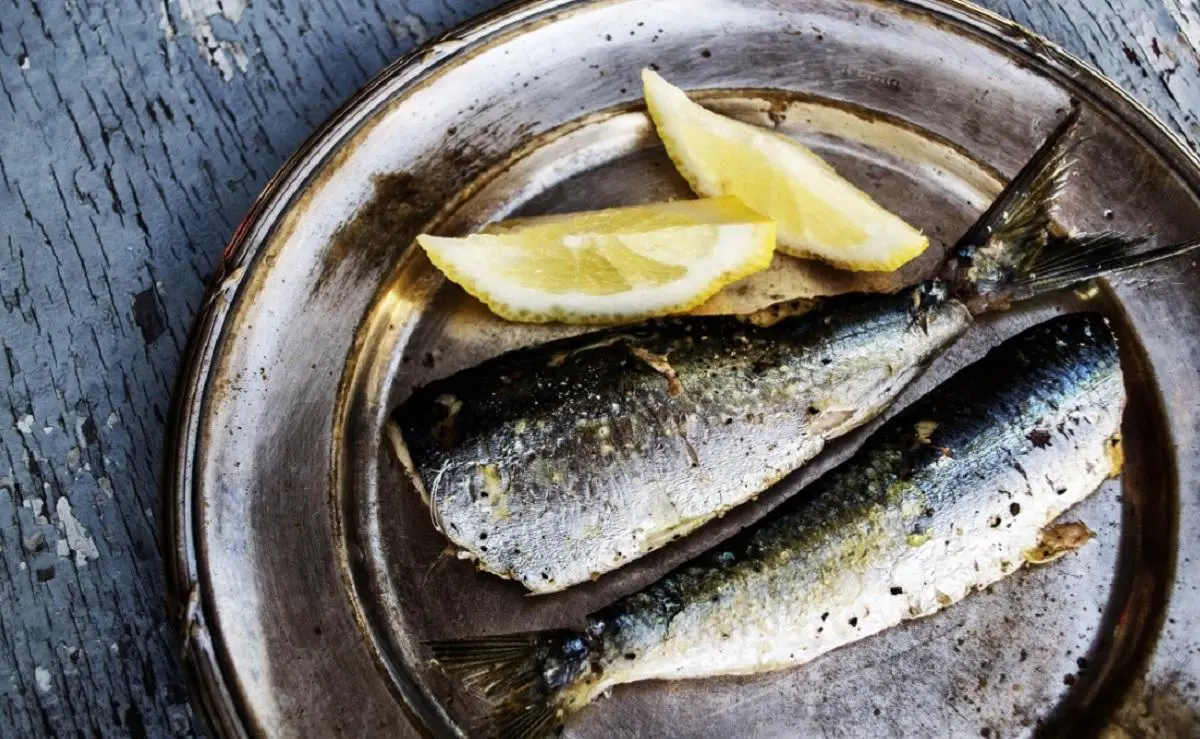
Nutrition and longevity experts say that sardines—not salmon or tuna—are the most beneficial fish for a daily diet. What’s more, they’re one of the cheapest options at the supermarket. In an interview with El Tiempo, doctors David Sespedes and Diego Suarez ranked sardines first among the fish that should be eaten regularly, according to aufeminin.
Sespedes considers sardines such a nutritionally complete food that they could sustain a person for a long time. Their proteins contain all the essential amino acids. In addition, this fish is a source of vitamins D and B12, creatine, coenzyme Q10, calcium, selenium, magnesium, iron, and iodine. Suárez ranks sardines at the top of his list of healthy foods.
More Omega-3, Less Mercury
According to the French agency ANSES, 100 g of sardines contain more than 1 g of the omega-3 fatty acids EPA and DHA. That’s more than in tuna, and sometimes even more than in salmon. The same serving of canned sardines with bones provides over 300 mg of calcium—almost as much as a glass of milk. Because sardines are low on the food chain, they accumulate significantly less methylmercury than large predatory fish. That’s why they’re even recommended for pregnant women and children.
Doctors’ conclusions are consistent with scientific data. Researchers analyzed 515 entries in the FAO uFISH database of fish and seafood and found that small pelagic fish—which include sardines—are the richest in nutrients. Bivalves took second place. Mackerel, tilapia, squid, and mussels provide the most protein and micronutrients per penny spent, according to a study in the journal Frontiers in Nutrition.
Among the five most nutritious canned fish—which nutritionists group under the acronym SMASH (salmon, mackerel, anchovies, sardines, and herring)—nutritionist Phoebe Warem considers sardines to be the leader. According to a 2026 study, just 15 grams of canned sardines provide the daily recommended intake of two key omega-3 fatty acids, writes National Geographic.
“You often eat the bones and skin, so they’re an excellent source of calcium and vitamin K2, which are very beneficial for bone health,” Warem emphasizes.
Cheaper than salmon and chicken
A can of sardines in their own juice or in olive oil remains one of the cheapest sources of animal protein: it’s significantly cheaper than salmon or chicken fillets. Canned sardines have a long shelf life, so the product rarely spoils. Fresh and frozen sardines are also cheaper than most other types of fish and are sold at both large supermarket chains and discount stores. ANSES recommends eating fish twice a week, with at least one serving being a fatty fish.
Sonal Gerter, a physician at Creighton University, also highlights the benefits of canned fish:
“They’re available year-round, and compared to fresh fish, they’re cheaper”.