
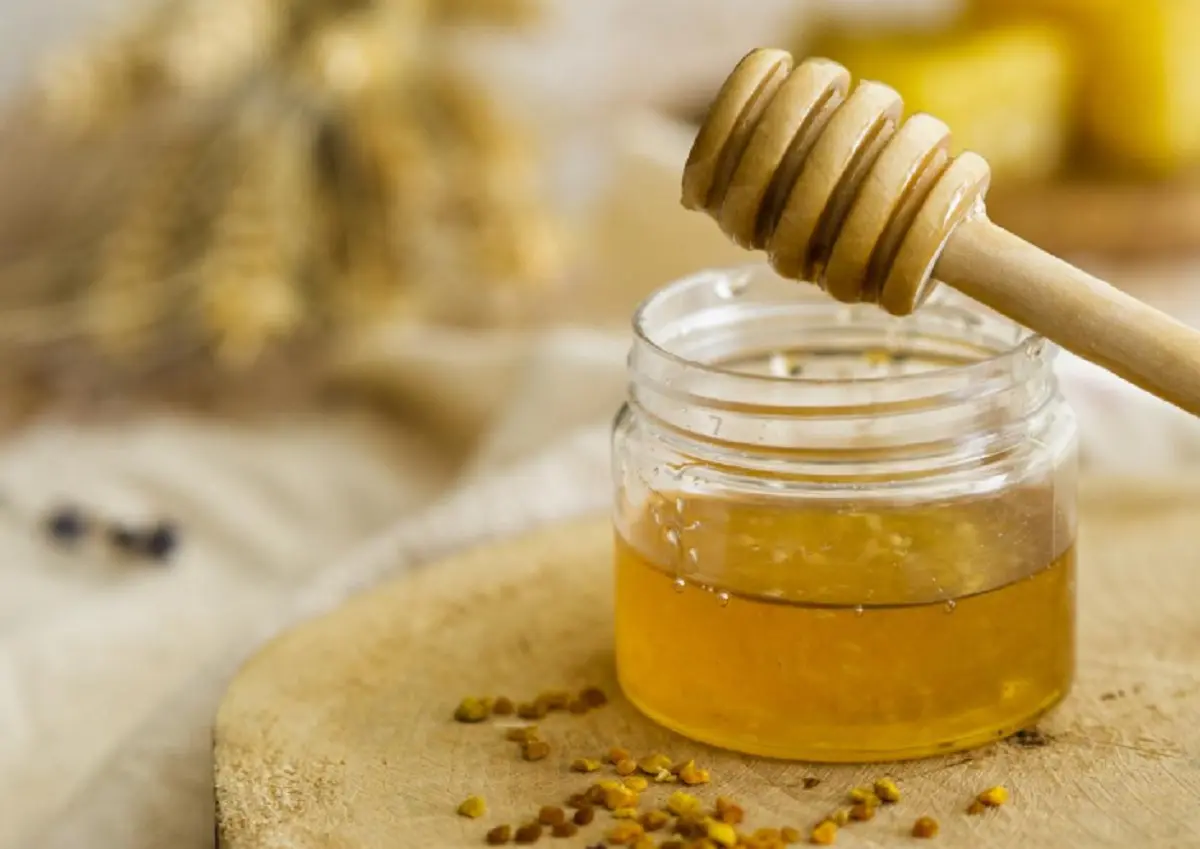
Honey is not prohibited for people with diabetes, but it should not be considered a “healthy alternative” to sugar that does not affect blood glucose levels. It consists mainly of simple sugars and can quickly raise blood glucose levels, so people with diabetes should treat it the same way they treat sugar, syrups, and other concentrated sources of easily digestible carbohydrates, according to the Polish publication Portal Spożywczy.
The Polish Diabetes Association recommends minimizing simple, added, and free sugars. In addition to regular sugar and sweets, the latter also include honey, juices, and fruit drinks. A person with well-controlled diabetes can usually eat a small amount of honey, provided they account for it in their total carbohydrate intake.
Honey consists mainly of glucose and fructose, which the body absorbs relatively quickly. Some varieties have a lower glycemic index than white sugar, but the glycemic load of the entire serving is just as important. A teaspoon of honey will affect blood glucose levels differently than several large spoonfuls in tea, oatmeal, or a dessert.
The publication does not consider the argument about beneficial plant compounds, minerals, and antioxidants in honey to be decisive: in a typical small serving, there are too few of them to offset the effects of the sugars. Honey is sweeter than sugar, so some people need less of it; however, the health benefits only materialize when you actually consume less of it.
How Much Honey Is Safe and How to Consume It
The article does not provide a single figure that applies to all patients. The authors emphasize individual factors.
“There is no single serving of honey that can be considered safe for every person with diabetes. Tolerance depends on the type of diabetes, medications taken, physical activity, body weight, and the degree of glycemic control,” the publication states.
Unless a doctor or dietitian has recommended completely avoiding free sugars, you can start with one level teaspoon, or about 5–7 g. This is not an official daily limit. Patients taking insulin should factor honey into their dose calculations and monitor their body’s response using a glucometer or a continuous glucose monitoring system.
The least advisable option is to consume large amounts of honey on its own or add it to a sugary drink. It’s better to combine a small portion with protein, fiber, and fat: plain yogurt with nuts, skyr with berries, oatmeal with flaxseeds, cottage cheese with nuts, or a whole-grain sandwich with peanut butter. This combination can slow stomach emptying and the absorption of carbohydrates, but it does not completely eliminate the effect on blood sugar levels.
More importantly, honey tends to displace other foods from your plate. If you add it without reducing the amount of other treats, both your sugar intake and the calorie content of your diet will increase.
“The most important rule is this: honey should replace another sweet addition, not be consumed alongside sugar, syrup, sweet cereal, or dried fruit,” the authors of the article emphasize.
The situation is different in cases of hypoglycemia. One tablespoon of honey contains approximately the same amount of carbohydrates as is used to correct a mild drop in blood glucose levels. However, this is a treatment for a specific situation, not a preventive measure, and one should act in accordance with their doctor’s individual recommendations. Glucose-based medications allow for more precise dosing, and giving honey or anything else by mouth to an unconscious person or someone with swallowing difficulties is prohibited due to the risk of choking.
People with insulin resistance and prediabetes are also advised to limit their intake of free sugars. Honey does not treat insulin resistance and does not protect against the development of type 2 diabetes. Overall dietary habits, body weight, physical activity, and regular meal times are more important for glucose metabolism.
Varieties, Labeling, and What Science Says
There are no varieties of honey created specifically for people with diabetes. Acacia honey is sometimes considered the best because of its higher fructose content and potentially lower glycemic index, but fructose is also a simple sugar, and too much of it can harm metabolism. Buckwheat honey may contain more antioxidants than lighter varieties, but it also raises blood glucose levels, so it’s best to choose it based on taste.
Labels such as “honey for diabetics,” “low glycemic index,” or “no added sugar” can be misleading. Natural honey doesn’t need added sugar anyway, but it already contains a lot of natural simple sugars. Honey-based mixtures with fruit, juices, syrups, or concentrates can be even sweeter than the pure product.
At the same time, the scientific evidence regarding honey is mixed. A systematic review and meta-analysis of 18 controlled studies (33 comparisons, 1,105 participants) showed that honey reduced fasting glucose levels by an average of 0.20 mmol/L, total cholesterol by 0.18 mmol/L, LDL cholesterol by 0.16 mmol/L, triglycerides by 0.13 mmol/L, and the liver enzyme ALT by 9.75 U/L, while also increasing levels of “good” HDL cholesterol by 0.07 mmol/L. Only the last result is highly reliable; the rest are classified as low-certainty evidence, according to PubMed Central.
The researchers observed the most noticeable effects on fasting glucose and total cholesterol levels with black locust honey—that is, “acacia” honey—as well as clover honey and raw, unprocessed honey. At the same time, the World Health Organization (WHO) and the U.S. Food and Drug Administration (FDA) classify honey as a free or added sugar, for which it is recommended to consume no more than 5–10% of daily energy intake. Despite this, in 2020, according to a survey by the National Honey Board, honey surpassed white sugar for the first time as consumers’ favorite sweetener.
The authors of the study themselves attribute these results to overall dietary patterns and do not consider the issue settled.
“Honey, especially black locust, clover, and unprocessed raw honey, may improve glycemic control and lipid levels when consumed as part of a healthy dietary pattern. Further studies focusing on the floral source and processing of honey are needed to strengthen the evidence,” note the authors of the meta-analysis.