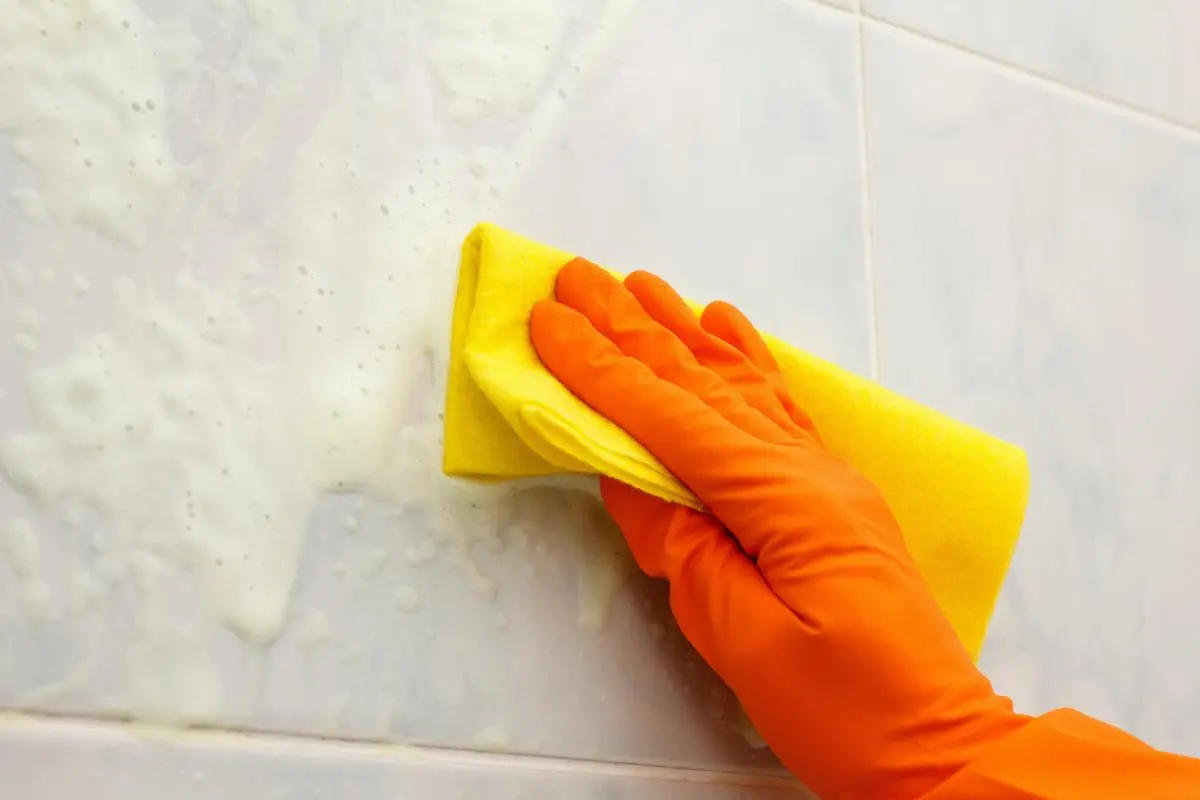
To unclog a shower drain, you don’t necessarily have to call a plumber right away or buy expensive household chemicals: you can handle it with dish soap, baking soda, and vinegar. To do this, pour 5 drops of dish soap into the drain, add 4 tablespoons of baking soda and 100 ml of vinegar, cover the opening—for example, with a rag—and wait 15 minutes. Afterward, rinse the drain with hot water, according to Planeta.pl.
Dish soap dissolves grease buildup and cosmetic residue. When baking soda reacts with vinegar, it releases carbon dioxide; the resulting foam dislodges loose debris, and the hot water washes it out of the pipes. Clogs are usually caused by hair, makeup residue, and limescale. The first signs of a problem are slow drainage, followed by standing water in the shower and an unpleasant odor.
To prevent the drain from clogging, the publication recommends regularly removing hair and debris from the drain strainer, cleaning the trap, and avoiding flushing excessive amounts of thick cosmetics down the drain.
What Plumbers Say
Professional plumbers interviewed by the publication are more cautious in their assessment of these home remedies. According to them, the chances of success are about fifty-fifty and depend on the nature of the clog, reports Southern Living.
“Baking soda and vinegar can help with minor clogs, such as those caused by soap or surface-level organic debris, but for most drain problems, this remedy won’t work. The chemical reaction creates a fizz, but it’s not enough to break through clumps of hair and grease buildup,” emphasizes Warren Stroud, owner and founder of Plumbing Outfitters.
You can tell you have a minor clog if the water drains slowly or you hear gurgling in the pipes. In this case, Stroud advises pouring a cup of baking soda down the drain, followed by a cup of vinegar, letting the mixture sit for at least 30 minutes, and then flushing it with hot water—but not boiling water.
If the procedure only partially resolves the issue, it can be repeated. For more serious clogs, T.J. Laurie, president of Ben’s ProServ, recommends first using a plunger and then a drain snake, which mechanically breaks up the clog or pulls out hair.
Both experts agree that you shouldn’t get too carried away with DIY attempts.
“My best advice: if it doesn’t work the first time, stop and call someone. Repeated attempts to clear the clog on your own can push it further down the pipes, which will require expensive repairs,” warns Stroud.