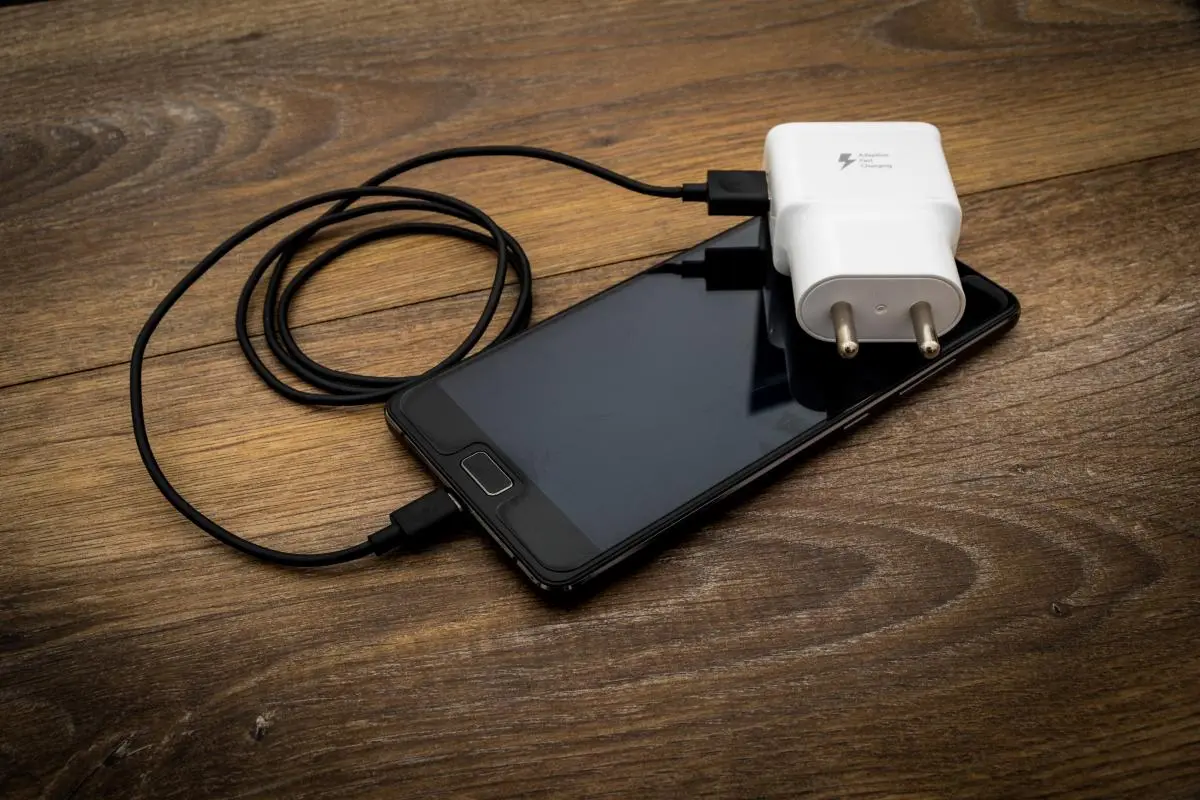
The habit of charging your smartphone next to your bed while you sleep may exacerbate inflammatory processes in the body and interfere with cell regeneration. This was stated by Guillermo Escribano, a specialist in functional neurology, on the Nos Brothers podcast, according to ABC.
Escribano co-founded the NeuroReEvolution project with Jorge Rey. On the podcast, they discussed everyday mistakes that subtly affect brain health. Among them, the experts cited a phone plugged into an outlet on the nightstand. This habit is common in many homes and seems harmless at first glance; however, according to the experts, it significantly impairs sleep quality and overall health.
Eskribano is convinced that having a gadget nearby at night does not go unnoticed by the body.
“Charging your phone next to your bed while you sleep increases inflammation and disrupts cell regeneration,” Eskribano emphasizes.
Blue Light: Science Has Yet to Reach a Consensus
International regulators are taking a more cautious approach to assessing the impact of smartphones on sleep. In 2024, the International Commission on Non-Ionizing Radiation Protection (ICNIRP) concluded that the evidence that blue light from screens causes sleep disturbances remains inconclusive. Experts from the Australian Radiation Protection and Nuclear Safety Agency (ARPANSA) contributed to the preparation of this statement, according to ARPANSA.
The agency’s director of radiation research and sleep expert, Sarah LaFran, urges people not to ignore the trend of spending more time in front of screens at the expense of rest.
“Delaying sleep by using a phone or engaging in screen activities that may prevent you from falling asleep affects alertness and sleepiness. It is less clear whether blue light from mobile devices affects sleep, so until we know more, ARPANSA recommends putting your phone away when it’s time to sleep,” Lafran advises.
Her colleague Ken Karipidis, elected vice chair of the ICNIRP, notes that some studies document the impact of such light on sleep quality and alertness levels, while others do not. According to him, before determining whether blue light protection standards are necessary, scientists will need to conduct additional research and measure exposure more accurately.
Despite the lack of scientific consensus, the benefits of reducing screen time before bed are well known.
“Whatever is keeping you awake at night—blue light, a gripping TV series, or constant notifications from social media—reducing screen time before bed can help you get a good night’s sleep,” Lafran is convinced.