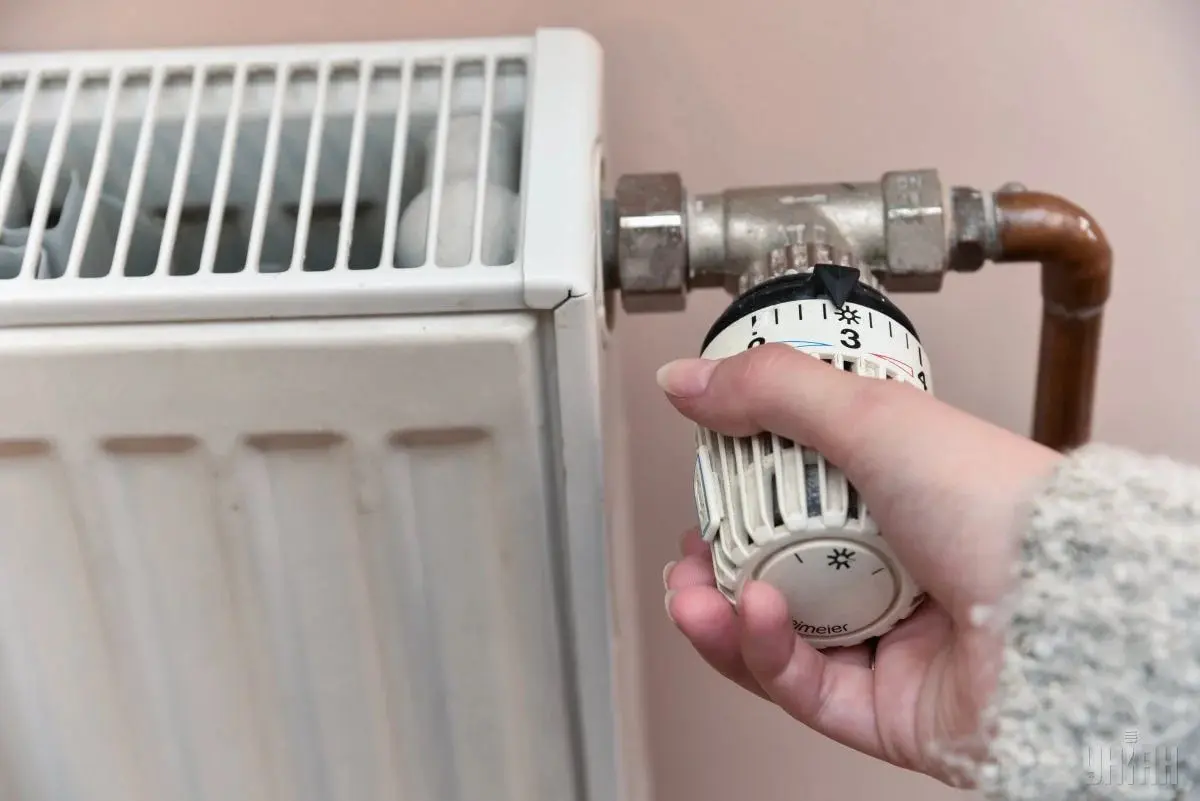
Yanchev Zhelyazko, a plumber with Fantastic Services, listed three simple steps that will help radiators heat up faster and provide more heat without having to buy a new boiler: clear the space around the radiators, bleed the air from them, and remove sludge from the system, according to Express.
According to the expert, most heating problems can be fixed on your own, without expensive specialized tools or calling a professional.
“Hot-water radiator systems are very simple, and problems with them are most likely just as simple,” notes Yanchev.
The expert considers the quickest and cheapest step to be removing all objects lying on, inside, or under the radiators. It all comes down to the mechanism on which a radiator’s operation is based.
“Radiators work on the principle that hot air rises due to natural convection. Cold air is drawn into the radiator from the bottom and exits warm from the top,” the plumber emphasizes.
Any objects near the radiator interfere with this process. Radiators also need to be regularly cleaned of dust: thick accumulations of dust and lint inside reduce heating efficiency.
Cold Top or Cold Bottom
If the radiator is cold on top but warm on the bottom, according to Yanchev, air has accumulated inside, taking the place of hot water. Bleeding the air out quickly improves the radiator’s performance.
The opposite situation—when the top is warm and the bottom is cold—usually indicates a buildup of sludge. This is a mixture of rust, dirt, and scale that inevitably forms in the system over time and circulates through it. Sludge is the main cause of boiler breakdowns and can quickly damage the heating system, so the problem should be addressed as soon as possible.
Where to Start
Joe Horton, a plumbing expert at Able Group, also believes that air and sludge are the most common reasons why radiators don’t heat properly. His first recommendation is to bleed the radiators, according to the Liverpool Echo.
“If your radiator isn’t heating properly, don’t immediately assume it needs to be replaced. Bleeding the radiator can help get rid of excess air, but if cold spots remain or the problem recurs, there may be a more serious malfunction that a specialist should investigate,” Horton warns.
For this procedure, you’ll need a special wrench or a flathead screwdriver, a rag, and a container for water. Turn off the heat and wait until the radiators have cooled completely to avoid getting burned. Next, slowly open the valve counterclockwise until you hear a hissing sound. Once the hissing stops and water begins to flow, tighten the valve securely and wipe up any spilled liquid.