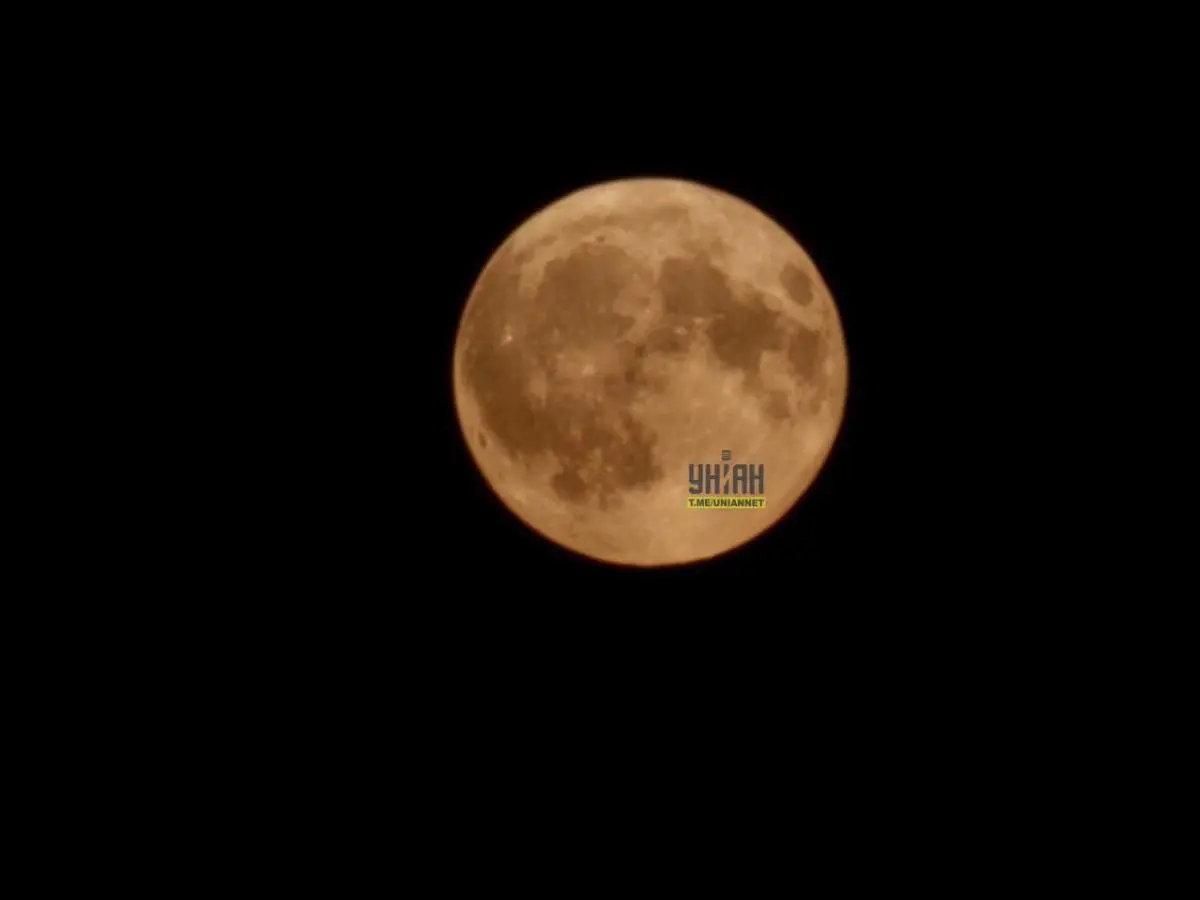
The full moon on November 24 will occur in the sign of Gemini, and astrologers predict a fortunate turn of events for three zodiac signs: Gemini, Libra, and Aquarius. These days are associated with important conversations, unexpected news, and decisions capable of changing the course of one’s life, according to ofeminin.pl.
According to astrological logic, the Moon in Gemini opposite the Sun in Sagittarius brings communication, relationships, learning, and travel to the forefront. The conjunction with Uranus, which is also in Gemini, is expected to amplify the effect of sudden news and the desire to break free from outdated habits.
Who Will Be the Luckiest
Gemini will feel the full moon most strongly. They can expect clarity in love: a long-awaited answer, reconciliation with a loved one, or a frank conversation about the couple’s future.
For Libras, it’s time for travel, learning, and career opportunities. There may be good news regarding an exam, an important project, or collaboration with foreign partners, as well as an unexpected offer. Astrologers advise against rejecting new opportunities simply because they disrupt your usual routine.
For Aquarians, the full moon should restore enthusiasm in love and creativity. Singles may meet someone interesting, couples will experience greater intimacy, and those involved in the arts will find inspiration and recognition.
Supermoon and the Pleiades
Astronomers also have their own reasons to watch the sky. The full moon will peak at 14:53 UTC (16:53 Kyiv time), and this moon will be considered a supermoon because it will be near the point in its orbit closest to Earth. On the same day, it will appear close to the Pleiades in the sky, according to timeanddate.com.
The November full moon is traditionally called the Beaver Moon: at this time of year, beavers are actively building dams in preparation for winter. Its other names are the Frost Moon and the Trade Moon. Astronomically, during the full moon, the Moon will be in the constellation Taurus.
The supermoon phenomenon occurs because the Moon moves in an elliptical orbit. If the full moon coincides with perigee—the point closest to Earth—the Moon’s disk appears slightly larger and brighter than usual, NASA explains.
“The Moon’s orbit around Earth takes approximately 27 and a third days. This moment of closest approach to Earth, or perigee, occurs three or four times a year due to the motion of the Earth and the Moon around the Sun,” notes NASA research scientist Dennis Gallagher.