
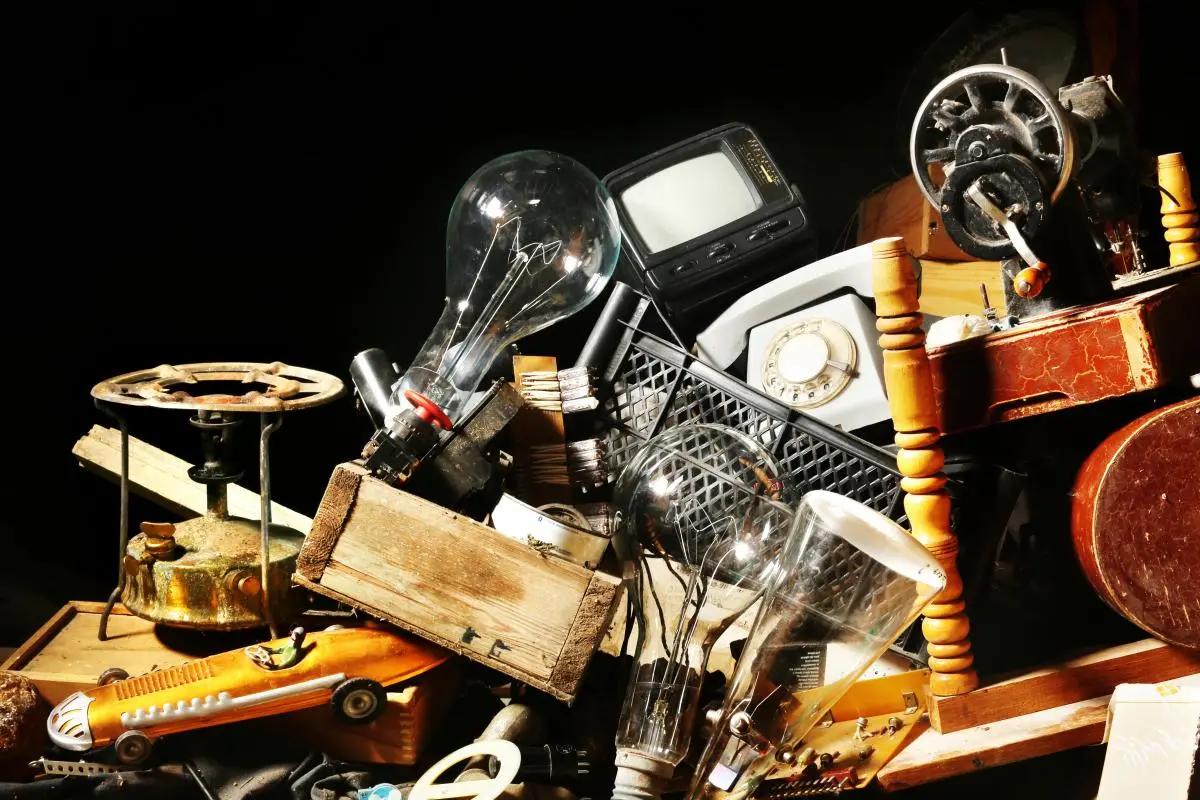
The habit of keeping faded movie tickets, chipped mugs, or sweaters that no one has worn in ages usually isn’t a sign of clutter, but rather of a person’s special relationship with time and their own past. Such items become “anchors” for autobiographical memory: they provide comfort, remind us of who we were, and sometimes shield us from the fear of change, according to Grazia.
Psychologists note that many people feel uneasy at the thought of throwing away a keepsake because they perceive it as a betrayal of a memory. An object becomes a substitute for a person or an experience: a photo of a grandfather symbolically contains “something” of him, and a deceased sister’s scarf becomes almost sacred. Getting rid of such an item means feeling ungrateful, as if you were erasing those you loved.
Some studies describe this phenomenon as “an extension of the self”: a favorite childhood toy or a grandmother’s necklace becomes part of one’s identity and bridges the past and the present. Despite all the changes around them, these items help a person feel like the same person.
The author of the “extended self” concept, Canadian professor Russell Belk, gives an example: when soup spills on new clothes or a new car gets a scratch, a person feels it almost as if their own body were damaged.
“These are things that not only expand what we can do but also represent us. They have symbolic meaning,” Belk emphasizes in an interview on the American Psychological Association’s podcast.
Where Sentimentality Ends
For most people, a few boxes of mementos is a perfectly healthy habit: the space remains livable, and parting with an item evokes nothing more than a touch of melancholy, not panic. Hoarding disorder, on the other hand, was recognized as a distinct diagnosis in the DSM-5 psychiatric manual in 2013. It refers to a condition where a person finds it extremely difficult to part with objects, and the clutter prevents them from using their living space normally.
According to research, hoarding disorder affects 2–6% of adults in the Global North, with equal prevalence among men and women. More than 60% of these individuals have at least one other mental disorder, most commonly depression. A cluttered home also poses a threat to neighbors: 60% of fires in such homes spread beyond the point of origin, compared to 10% in other cases, according to a review published on PubMed Central.
How to Preserve the Past Without Getting Stuck in It
Psychologists advise choosing a few symbolic items for each “chapter” of life: a box for childhood, for friendships, and for love stories. The criterion isn’t price, but the item’s ability to evoke a warm—rather than a depressing—memory.
You can say goodbye to an item that takes up too much space through a small ritual: take a photo of it, tell its story, and then give it away or recycle it. If, however, objects have taken over every corner and the thought of parting with them paralyzes you, it’s worth consulting a specialist.