
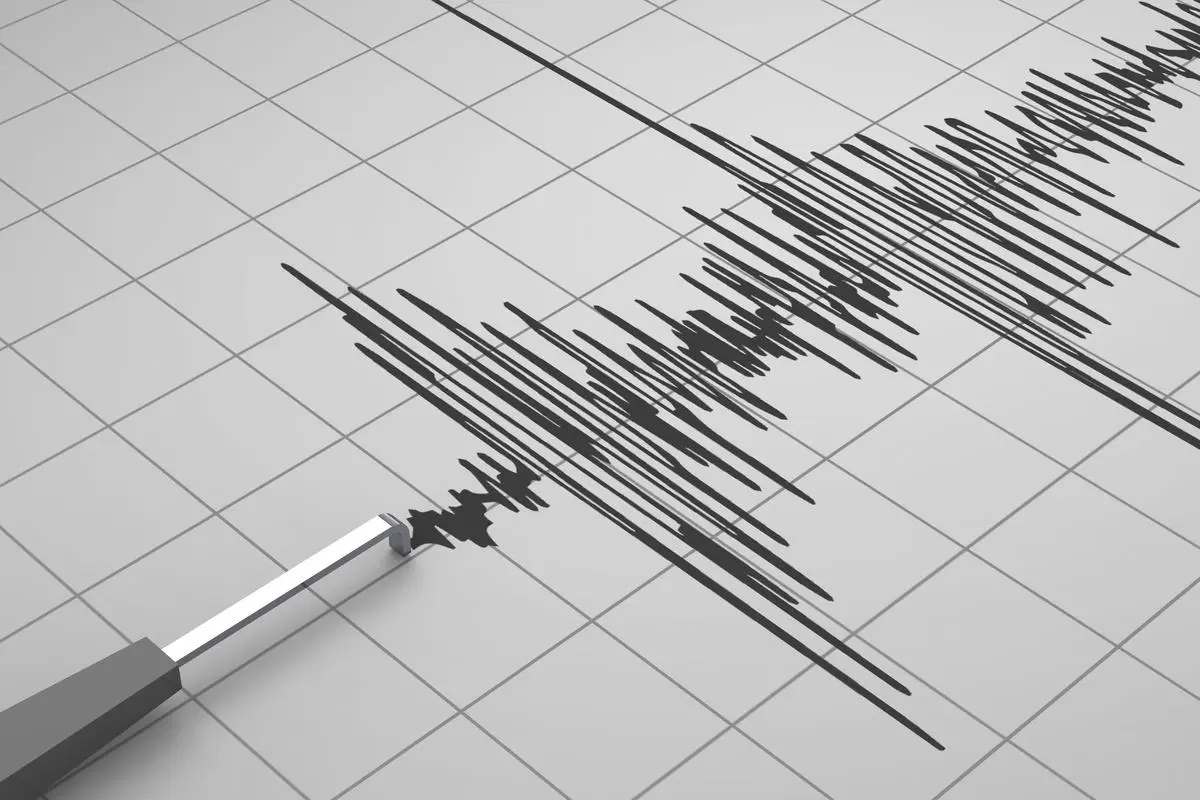
Isabel Rossi, a 14-year-old student from Virginia, has developed a mathematical model that improves the detection of seismic activity by 16.7% by optimizing sensor placement. Her research, which made it to the finals of the Thermo Fisher Scientific Junior Innovators Challenge, proposes a new approach to planning monitoring networks, according to The Times of India.
A Mathematical Approach to Earthquake Safety
For her project, the student used game theory and optimization methods—specifically, the weighted sum model and the concept of “Nash trading”—to balance the accuracy of earthquake detection with the availability of installation sites. The research was based on an analysis of seismic data from the Los Angeles region, which allowed her to simulate network improvements without the need to physically install devices, notes the Daily Press.
“This mathematical approach is a new and valuable tool. It is particularly useful in hard-to-reach areas with high risk levels and limited resources,” Rossi emphasized.
The Role of Early Warning Systems
The effectiveness of any monitoring network depends on the speed at which seismic wave data is transmitted to data centers. The ShakeAlert system, for example, uses the speed difference between primary (P-waves) and secondary (S-waves) seismic waves to give people and critical infrastructure precious seconds to take protective measures, explains the USGS.
“I did this on my own; I’m very happy because it proves that you don’t need a world-renowned mentor or unlimited resources to conduct high-quality research. I hope to inspire other kids to take on science projects too, because science is accessible to everyone,” concluded Isabel Rossi.