
A routine replacement of a faulty sewer system in the Italian city of Lecce turned into a major archaeological discovery spanning 25 centuries of history. In the early 2000s, Luciano Fagiano, while planning to open a restaurant in his own building on Via Ascanio Grande, discovered layers of historical deposits beneath the floor, which later became a private museum, according to Science et Vie.
From the Restaurant Business to Archaeological Excavations
The Fagiano family self-funded and conducted the excavations for seven years, abandoning their initial plan to open a restaurant. After initial attempts to address moisture issues and replace pipes led to the discovery of ancient stone structures, local authorities temporarily suspended the work but later allowed the research to continue under the supervision of experts from the Ministry of Culture.
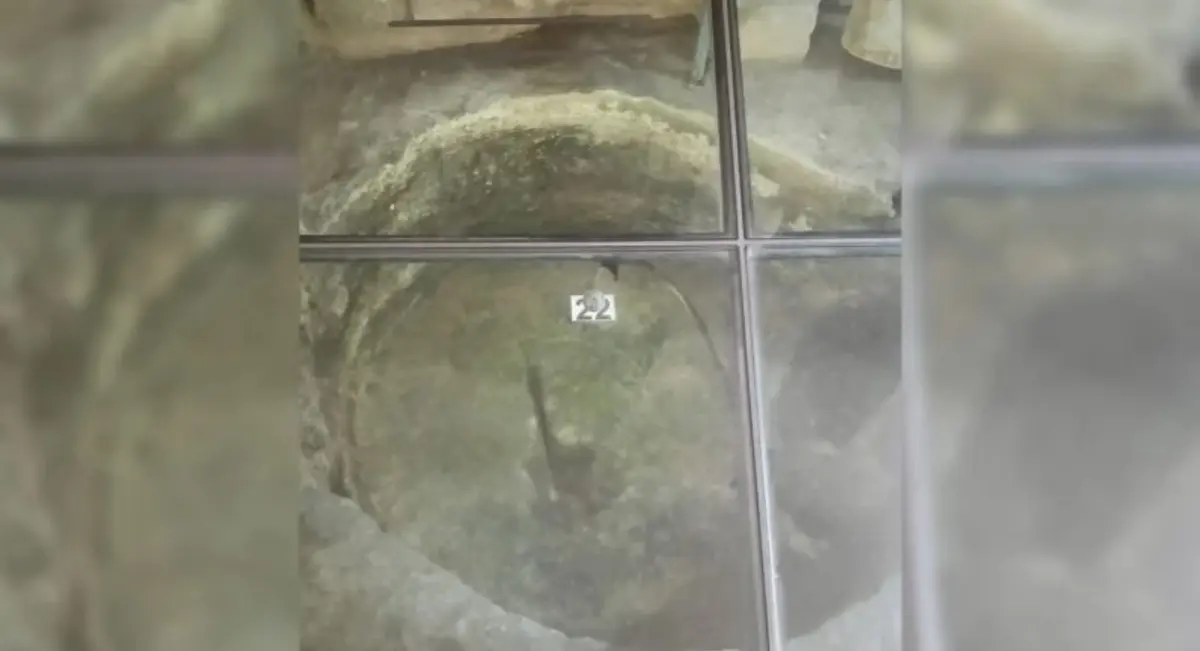
“I used to be a chef, and now I run a museum. It’s amazing what we’ve found on such a relatively small plot of land,” says Luciano Fagiano, who, together with his sons Marco, Andrea, and Davide, has transformed his home into a unique site where visitors can view the finds through glass floors and metal staircases.
Artifacts and Historical Layers
Traces of many eras have been discovered beneath the building: from Messapian burials dating back to the 5th century B.C.E., to Roman granaries, medieval Templar frescoes, and rooms where Franciscan nuns performed the mummification of the deceased. In total, more than 5,000 objects were found during the excavation, including pottery, coins, and jewelry, as reported in detail by The Independent.
“We found over 5,000 objects. My favorite find was a ring belonging to a Jesuit bishop set with 33 diamonds, and at a depth of 10 meters, we came across a 15-meter-deep pit that was used to dry the bodies,” says Andrea Faggiano.
Today, the Museo Faggiano operates as an independent museum that combines ancient history with modern facilities for tourists. Although most of the valuable artifacts have been transferred to government agencies for study, the family continues to develop the space, planning to open a café for visitors, similar to those found at major international museum complexes.