
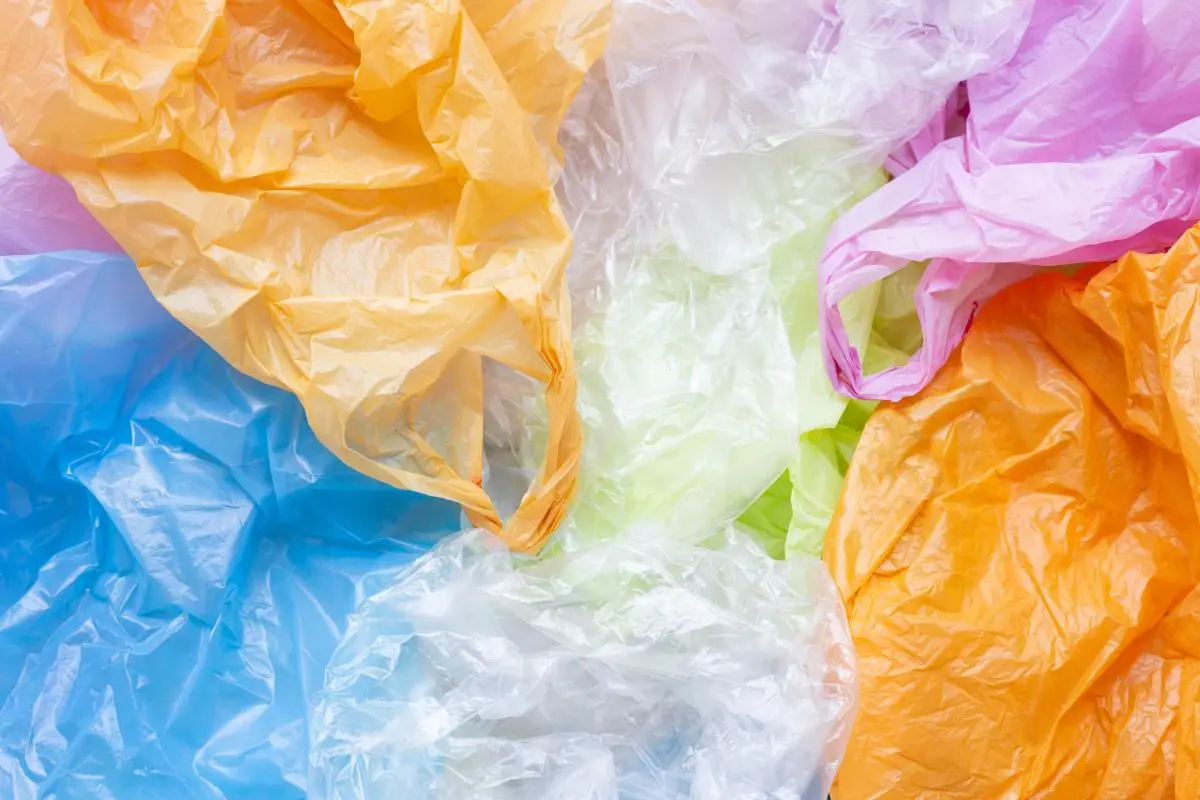
Researchers at the Swiss Federal Institute of Technology Zurich (ETH Zurich) have developed a high-strength adhesive made from polyethylene and polypropylene, the two most common types of plastic in the world. The material bonds metal, glass, and wood, and its strength meets the requirements of demanding industrial applications, particularly in the manufacture of vehicles and equipment, according to Mediafax.
About 450 million metric tons of plastic are produced worldwide each year. Roughly half of this is polyethylene and polypropylene, which are used to make bags, films, and packaging. When remelted, this plastic loses its quality, so the waste is mostly turned into low-cost products, such as flower pots or sidewalk pavers, or broken down through energy-intensive pyrolysis.
Professor Te-Lim Choe’s team took a different approach: instead of breaking down the plastic, the researchers altered its chemical structure by attaching additional molecular chains to it. To do this, they use a chlorine-containing solvent and light with a controlled wavelength. The process takes place in a single step, without expensive catalysts or extremely high temperatures. Researcher Hong-sik Kim produced the first adhesive from ordinary plastic bags and containers.
In their scientific paper, the authors note that the shear strength of the adhesive bonds is nearly an order of magnitude higher than that of commercial hot-melt adhesives. Just 13 mg of the new adhesive, applied to metal plates, was enough to support an adult man weighing about 80 kg. The modified plastic retains its crystallinity, heat resistance, and mechanical strength, and the method works with both new raw materials and waste materials, such as bags, bottles, and laboratory test tubes.
From Adhesives to Frozen Food Packaging
Adhesive is just the first application of the technology. Together with industrial partners, the scientists are researching food wrap made of polyethylene and polypropylene that will be impermeable to both water and oxygen. Such packaging could reduce oxidation in frozen foods. Another possibility is using the new adhesive to bond pieces of low-quality recycled plastic to create stronger materials.
The cost of implementing this method on an industrial scale has not yet been determined. Additionally, the technology requires chlorinated solvents, so their reuse and environmental impact will be key considerations for its further development.
ETH Zurich has patented the process. Within six months of the patent’s publication, the researchers established numerous contacts with industry representatives. The invention has been nominated for the Spark Award 2026, an annual prize for inventions with commercial potential. The winner will be announced on November 26 in Zurich.