
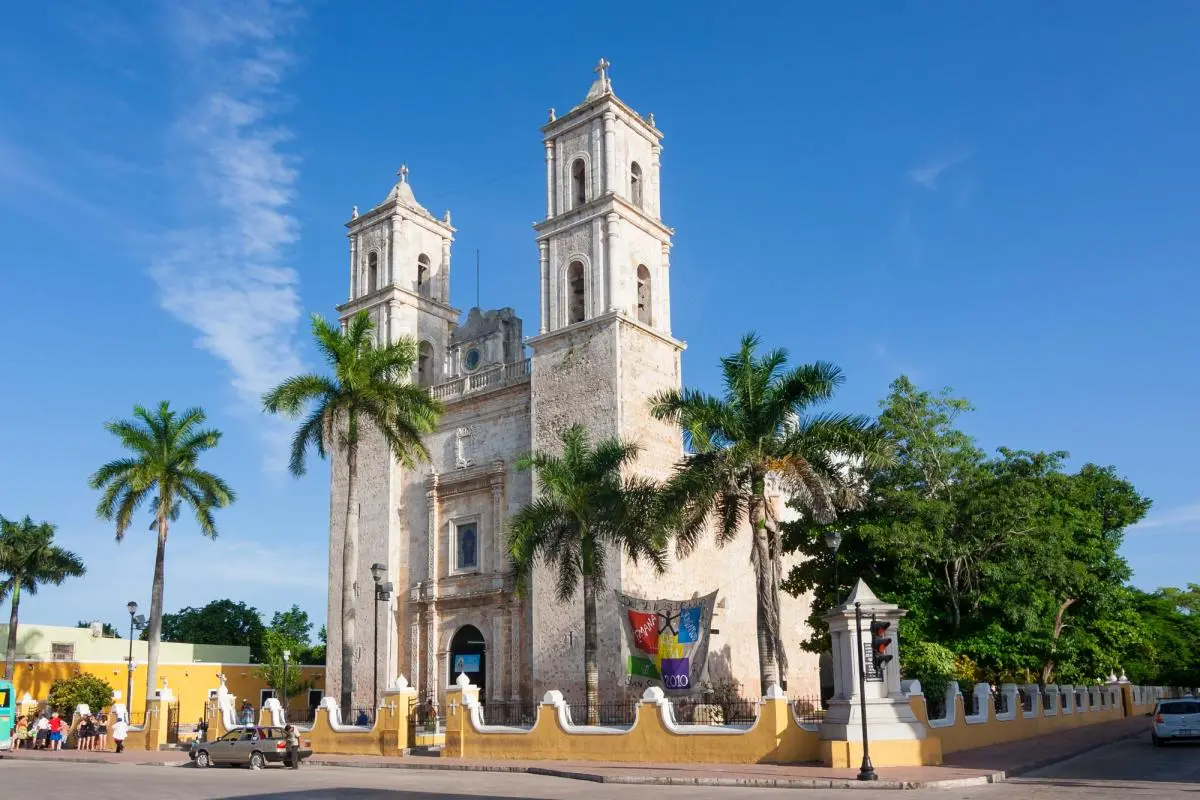
The Camino del Mayab hiking trail, which runs through Mexico’s Yucatán Peninsula, has become a new hub for sustainable development in the region, combining ecotourism with the preservation of Maya historical heritage. This 110-kilometer route, which can be traveled on foot or by bicycle, runs through jungles and former henequen (sisal) plantations, where local workers were effectively enslaved by debt in the 19th century, according to The Independent.
The project brings together 14 communities that are jointly developing infrastructure for travelers while ensuring the protection of natural resources and the preservation of cultural traditions. The organization Ecoguerreros Yucatán, which coordinates this initiative, directs 80% of the revenue from tourism services directly to local residents, allowing them to remain in their home villages rather than migrate to cities in search of work, notes Camino del Mayab.
Cultural and Historical Integration
Participants on the route have the opportunity to visit cenotes, which were once believed to be entrances to the underworld, and to learn about the daily life of the modern Maya, including corn cultivation and the raising of Melipona bees. Tourists receive a special passport confirming their stay in the communities, and after visiting ten locations, they are granted the status of “Guardian of the Jungle and Maya Culture,” reports La Jornada Maya.
Tour guides emphasize that the local population’s mindset still bears the mark of the hacienda era, when labor was grueling and workers’ rights were limited. The project aims to change this perception by providing young people with opportunities for education and financial independence.
“Before entering the jungle, we ask for permission. This land is not ours. We do not own it. We are simply guests passing through a place that existed long before us,” emphasized guide Fernando.
The Economic Context of the Past
Historical research confirms that the region was a center of intensive labor exploitation during the henequen production boom, when plantations operated by their own rules and workers fell into a cycle of debt that was impossible to repay. This system was based on strict control over “land and people,” which has been the subject of numerous scholarly studies on the social structure of Yucatán in the late 19th and early 20th centuries, notes the INAH.