
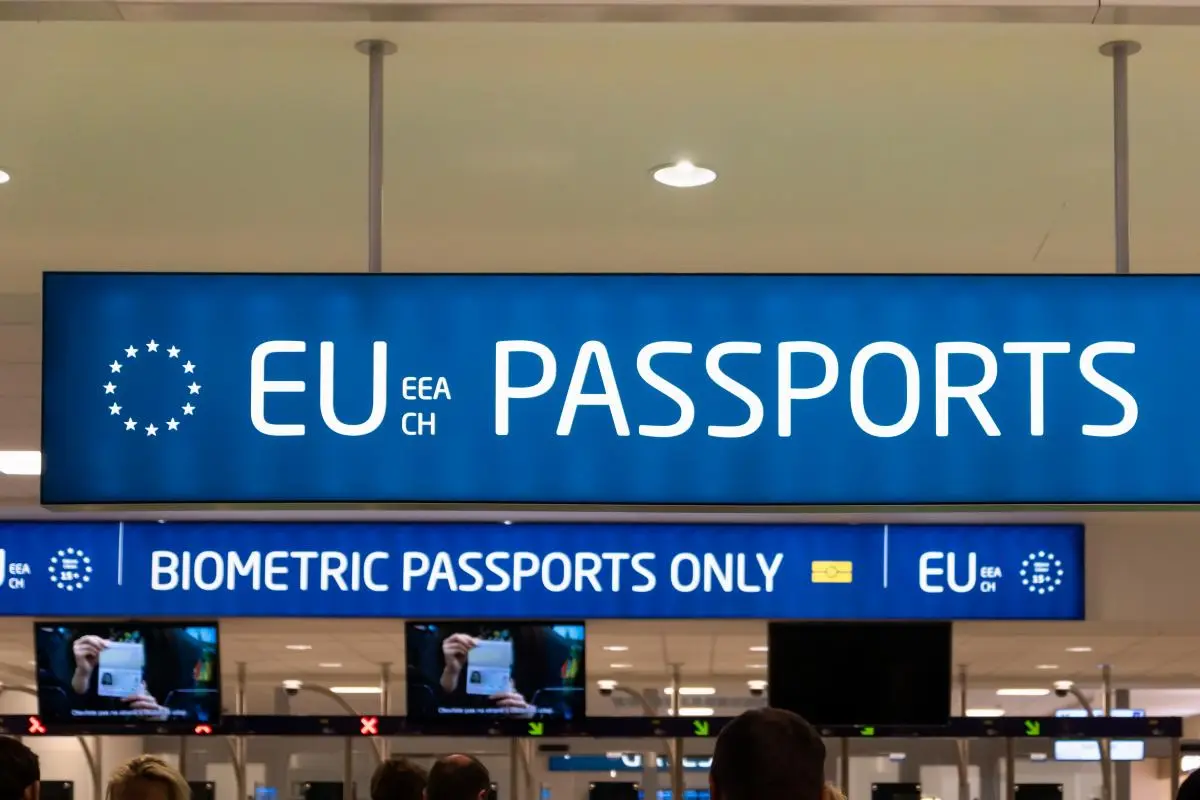
As of November 4, 2026, eight countries in the Schengen Area are maintaining temporary border controls at some or all of their internal borders. Seven of them have already notified the European Commission that the controls will continue into 2027, according to SchengenVisaInfo.
Denmark, Norway, and Sweden have jointly extended border controls for another six months, from November 12, 2026, to May 11, 2027, maintaining the current scope of the controls. Austria and Germany will continue checking travelers until March 15, Poland until March 30, and France until April 30, 2027. Italy is maintaining border controls with Slovenia until December 18 and has not yet announced an extension.
The strictest restrictions are in place in France and Sweden, where checks are conducted at all internal borders, including on flights from other Schengen countries. Germany is monitoring all nine of its land borders, while Norway is checking only ports with ferry connections.
Brussels has called for an end to the checks
On June 2, the European Commission assessed border controls in nine member states and concluded that Germany had not provided a detailed risk assessment and that migration pressure had decreased. Regarding Sweden, Brussels noted that police checks within the country could be more effective. Magnus Brunner, European Commissioner for Home Affairs and Migration, linked this position to the launch of the Entry/Exit system at external borders and new EU asylum rules.
“Given these conditions, member states can work toward the gradual abolition of internal border controls,” Brunner stated.
The Commission’s conclusions are not binding: Germany, France, Austria, and Poland have extended their checks beyond June. The Nordic countries now justify the controls not on the basis of migration, as they did in 2015, but rather on the basis of risks of sabotage, terrorism, organized crime, and threats to the energy sector.
Among the reasons cited by Sweden are security threats related to Russia’s war against Ukraine, hybrid attacks, the use of migration as a tool of pressure, events in Ceuta, Spain, and visa policies toward Russian citizens, according to the European Commission’s website.
Who Has Abandoned Border Controls
On September 30, the Netherlands suspended border checks with Belgium and Germany, replacing them with selective mobile patrols. On October 22–23, Italy and Spain lifted mutual controls on air and ferry travel, which had been introduced in the summer following the mass border crossing in Ceuta. Germany, however, has been continuously checking travelers at parts of its borders since September 2015.
Former German diplomat Joachim Bitterlich, who participated in negotiations on the expansion of the Schengen Area, believes that the free movement zone is under threat due to a lack of cooperation between governments, particularly regarding the creation of a joint border service.
“We’re still talking about the sovereignty of member states. We have a patchwork system, not a European one,” Bitterlich emphasizes in an interview with The Parliament.