
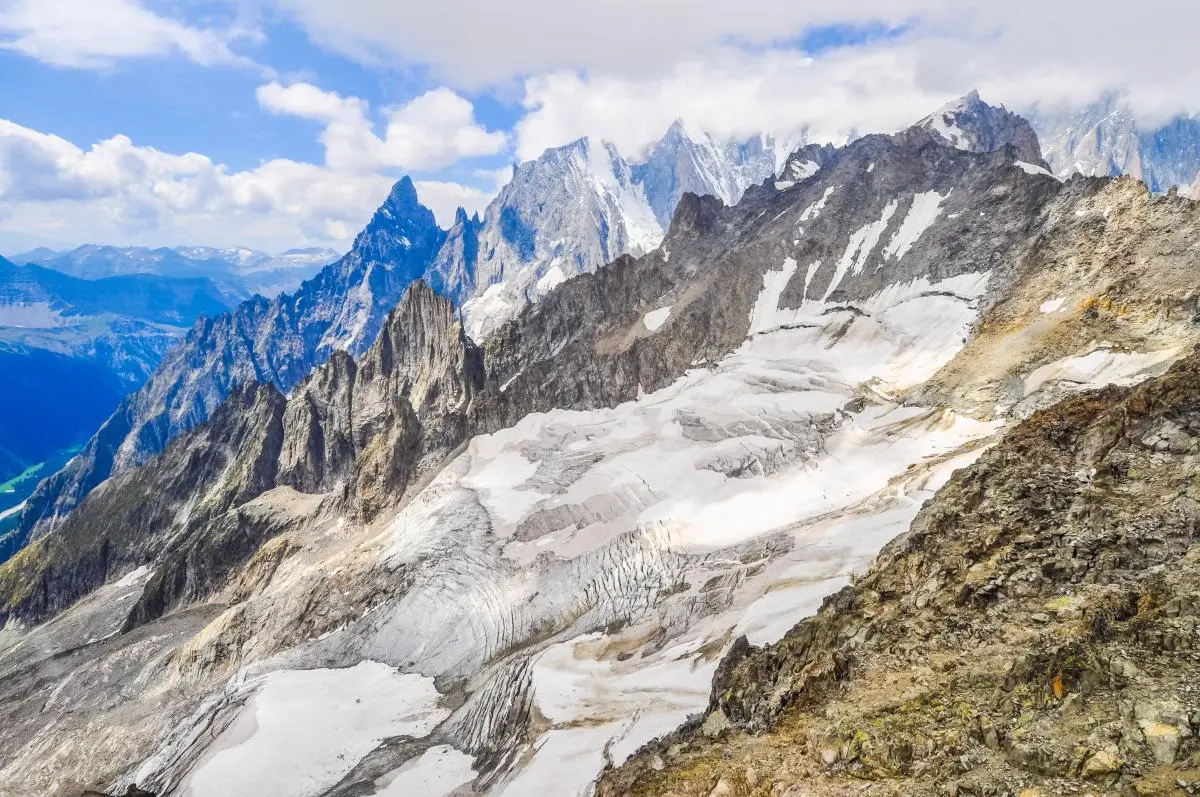
Tourists in Chamonix are increasingly bypassing the main cable cars, opting instead for hiking trails to the Aiguilles Rouges Nature Reserve, home to the high-altitude Lac Blanc. This place offers a unique contrast between rugged granite cliffs and the panoramic view of the Mont Blanc massif’s glaciers reflected in the icy water, according to Travel Off Path.
Strategy for a Safe and Comfortable Hike
Experts advise those planning to visit this area to avoid hiking directly up from the valley, as it is a grueling route through a forested area. The best option is to take the Flégère cable car, which transports travelers to the edge of the forest, where a two- or three-hour hike to the lake begins. It is important to take weather conditions into account: due to the ecosystem’s high vulnerability, swimming in the lake is strictly prohibited by prefectural decree, and trail accessibility depends on snow cover, which usually doesn’t melt until late June, according to the official Chamonix tourism portal.
Professional guides emphasize the importance of choosing a route that matches your fitness level. Although there are technically challenging sections, such as the ascent using iron stairs near Tré-le-Champ, they require special caution and psychological preparedness for working at heights. As mountain guide Fred Breche notes, a professional’s job is not only to accompany clients but also to minimize risks for them while exploring lesser-known yet breathtaking trails, according to See Chamonix.
Preserving a Unique Natural Environment
The Aiguilles Rouges Nature Reserve, officially established in 1974, has transformed this region into a hub for environmental education and scientific research. The history of this area’s creation is closely tied to the efforts of local enthusiasts who sought to protect the fragile flora and fauna from the uncontrolled impact of mass tourism. As emphasized by the association that oversees the reserve, nature is a complex mechanism whose secrets are revealed only to those who are prepared for long-term observation and a respectful attitude toward the environment, reports Amis des Réserves Naturelles des Aiguilles Rouges.
“Nature is a great book of images that one must learn to decipher in order to penetrate its secrets. Very few people have come to this realization. But how great will their joy be when, thanks to a great deal of patience and observation, they are able to uncover some of its most intimate secrets,” noted Jean-Marie Gourro.