Starting in 2032, universal mandatory military conscription will be introduced in Lithuania. The country’s State Defense Council adopted the decision at a meeting in Vilnius on Thursday, October 29, President Gitanas Nausėda announced. The plan still needs to be approved by parliament, according to Portfolio.
According to Nausėda, more than 5,000 young men currently undergo basic military training each year. Once universal conscription is introduced, that number is expected to increase to approximately 7,500. Women will continue to be able to serve on a voluntary basis. The president estimated the cost of the reform at up to 120 million euros.
Lithuania abolished conscription in 2008 but partially reinstated it in 2015 in response to Russia’s annexation of Crimea. Following the Russian Federation’s full-scale invasion of Ukraine in February 2022, concerns in the country have intensified: Lithuania borders Belarus and the Russian Kaliningrad enclave.
Why Not Sooner?
The projected number of conscripts takes into account demographic trends and the fact that some young people are deemed unfit for service due to health reasons, Nausėda notes. The chosen timeframe, he says, will allow for the preparation of housing for a larger number of recruits, the training of a sufficient number of instructors, and the integration of their training with the retraining of reservists, according to LRT.
“I think that introducing conscription starting in 2032 is the best approach,” the president emphasized.
Prime Minister Mindaugas Sinkevičius acknowledged that the government had sought a faster transition, but the military convinced them to postpone it.
“One could say that the political will is there, but at the same time, the question of the military’s readiness arises. The military has clearly stated that they will be ready by 2032,” said Sinkevičius.
The date was discussed at length and in detail during the meeting, amid lively debate. A compromise was reached thanks to a shared vision.
“Everyone agreed that this isn’t a race and isn’t a matter of setting a specific date set in stone—that we must move toward universal conscription and that it is inevitable, but it must be done when you are prepared,” the prime minister emphasized.
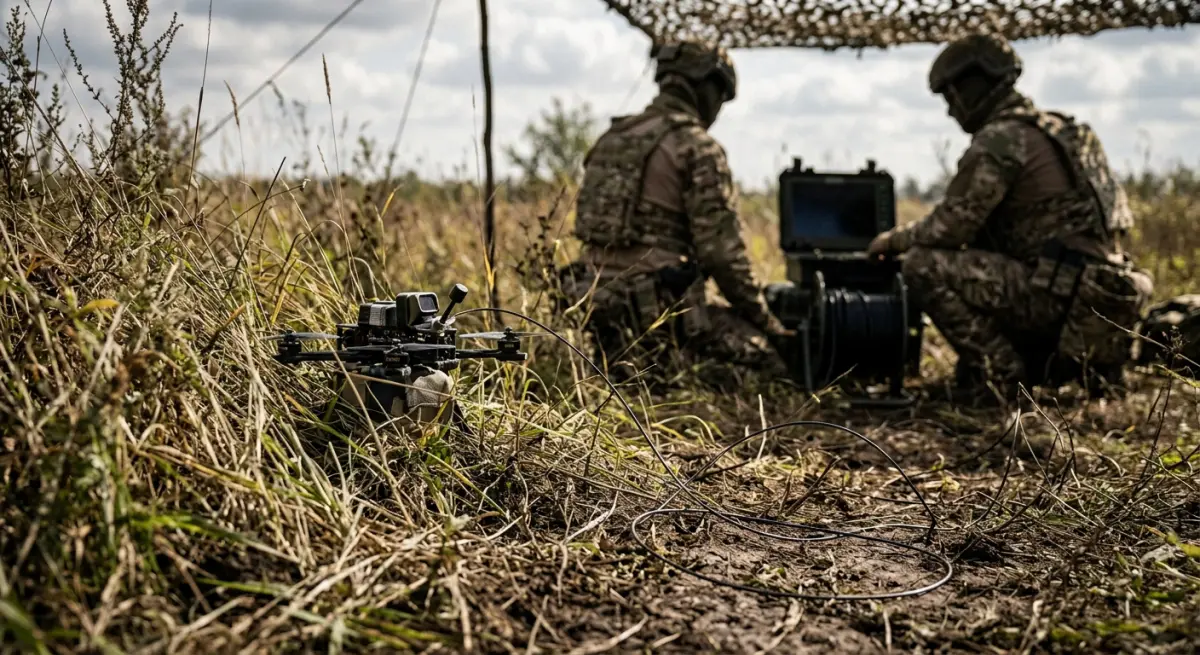
Preparations include training approximately 300 instructors and constructing facilities for conscripts. The Council also agreed to expand service options: new recruits will be able to undergo training as drone operators, assist the State Border Guard Service, or work with rescue teams.