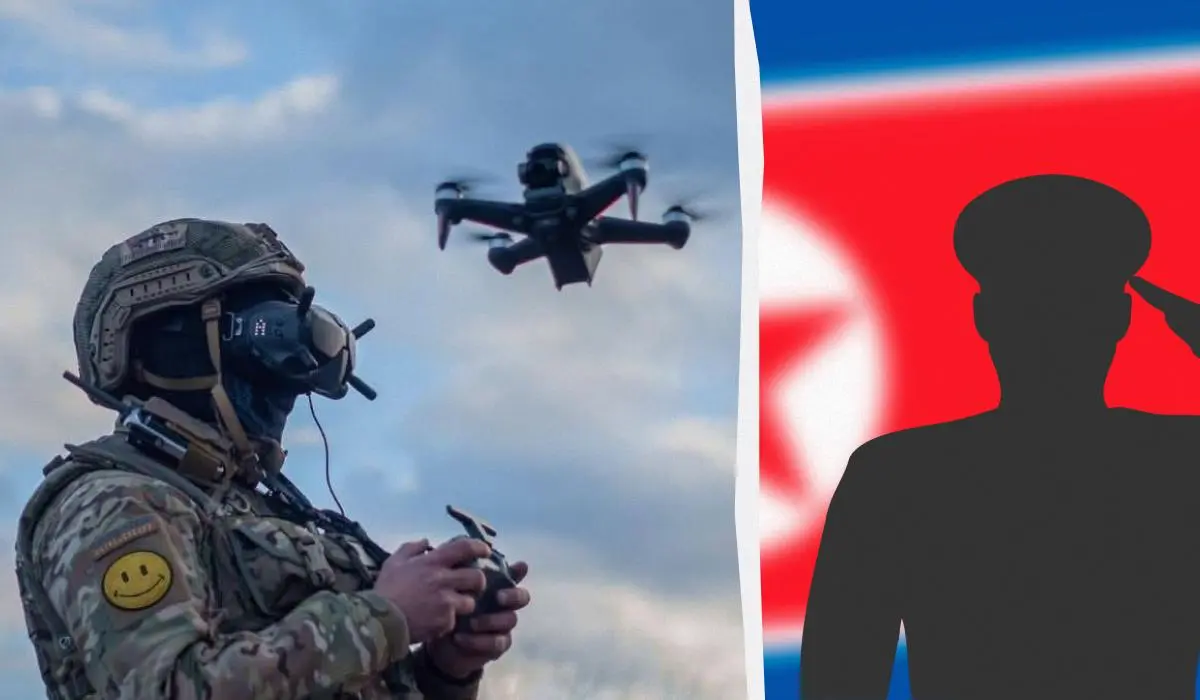
Russia is recruiting thousands of North Korean citizens to manufacture Shahed-type attack drones in the “Alabuga” Special Economic Zone in Tatarstan, where workers are forced to work 12 hours a day for minimum wage. According to a report by the Center for Strategic and International Studies (CSIS) and the George Bush Institute, the North Korean regime confiscates between 70% and 90% of its citizens’ earnings, Antena 3 CNN reports.

Mechanisms of Forced Labor and Sanctions Evasion

In addition to recruiting foreigners, Russian authorities are using students, whom they recruit under the guise of “internships,” forcing them to meet strict production quotas. This system has become part of a large-scale human rights violation and human trafficking scheme that allows Moscow to fill the weapons shortage that arose after the start of the full-scale invasion of Ukraine, notes CSIS. To legalize the employment of North Korean workers, the Kremlin has implemented a scheme using student and tourist visas instead of official work permits. Cooperation between the Russian Federation, North Korea, Iran, and China has created a robust ecosystem for circumventing international sanctions, which brings Pyongyang hundreds of millions of dollars annually, according to the Kyiv Independent.

Eyewitness Accounts and Living Conditions

Researchers from the Human Rights Committee in North Korea (HRNK) have documented the presence of groups of North Korean women at production facilities in “Alabuga,” where they work in strict isolation. Although there is no direct evidence of these individuals’ direct involvement in the assembly of military equipment, the very fact of their presence at a strategic facility confirms the deepening of the military-technical alliance between Moscow and Pyongyang, UPI reports. “One of our most significant findings was that North Korean workers are employed at a drone manufacturing plant in Russia. We contacted sources in the region and obtained photographs confirming the presence of groups of North Korean women at this facility,” said researcher Jeu Pak. Female workers who end up in Russia often find themselves trapped due to restrictions on movement and the inability to maintain contact with their families back in North Korea. According to experts, such labor operations violate UN Security Council Resolution No. 2397, which called for the repatriation of North Korean workers by the end of 2019.