During a scheduled replacement of the water meter at the bottom of the well, 19 water voles were discovered; they had become trapped and were unable to climb to the surface on their own. All the animals were rescued by staff from the “Forest Emergency” (Leśne Pogotowie) wildlife rescue center, according to Interia.
The legless lizards will be released into the wild in just a few months. According to forest rangers, the large number of animals in one place was a coincidence.
“Such a concentration of these lizards in one place is purely coincidental. They wouldn’t have been able to get out of the well on their own,” said Jacek Wonsiński, an assistant forester at the Katowice Forest District.
Foresters believe that the slow worms likely made a winter hideout in the well but were then unable to get out. Polish State Forests reminds the public that in the fall and winter, many wild animals seek shelter near human settlements.
Lizards Instead of “Vipers”
The man who was supposed to install the meter initially froze in fear: he was convinced that “dangerous vipers” were writhing at the bottom. Despite his fears, the property owner called in experts, and the agency commended him for it, according to Polsat News.
“And this deserves a huge round of applause and respect (...) He didn’t brush them off, didn’t try to chase them away, or—as, unfortunately, still happens—thoughtlessly throw them outside to certain death from the cold,” reads a post by “Forest Emergency Services.”
The cool temperature, humidity, and protection from the cold made the well an ideal place to spend the winter. However, in the spring, the vertical concrete walls would have prevented the animals from getting out. “The well would have become a grave for them,” the center emphasizes.
It is not possible to release the lizards immediately, so they will spend the winter indoors at the center. “Releasing them into the garden at current temperatures would result in them freezing to death, as they wouldn’t have time to dig or find a new safe wintering spot,” the experts warn.
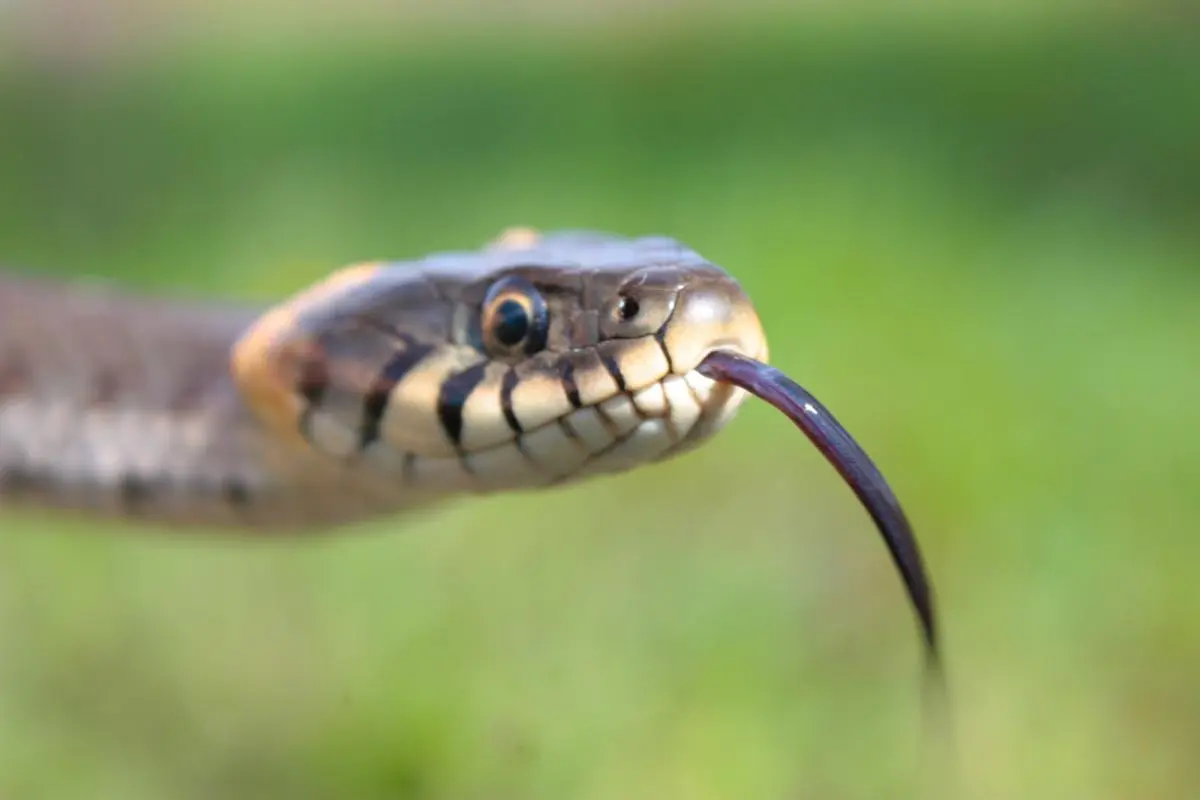
How Not to Confuse It with a Viper
The smooth skink is not a snake but a legless lizard that is a protected species in Poland. It poses no threat to humans, feeds mainly on slugs and other invertebrates, and can live for over 30 years under favorable conditions.
Unlike a viper, the slow worm’s head almost blends into its body; its body is stiffer and slimmer, and it usually lacks the characteristic zigzag pattern on its back. It is important to be able to distinguish between these animals, as the viper’s venom is dangerous to humans, notes RegioDom.