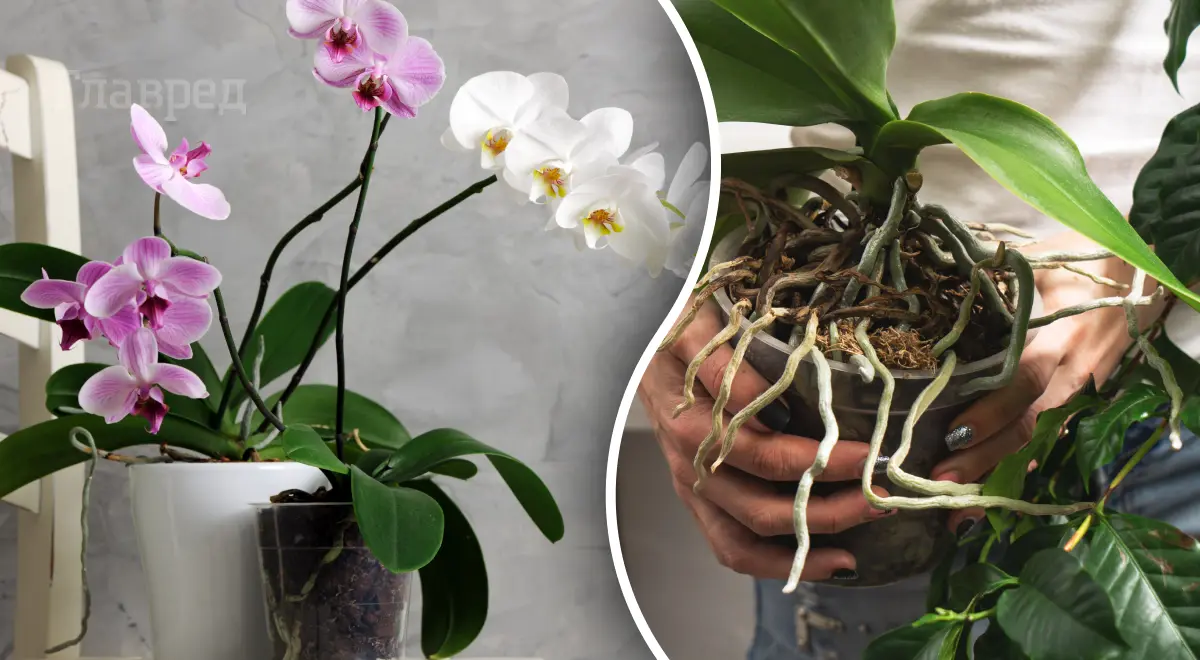
To get rid of small flies around an orchid pot, simply sprinkle cinnamon evenly over the top layer of the potting mix: this is said to kill both adult fungus gnats and their larvae. This home remedy is recommended by the Polish publication Super Express.
According to the publication, the gnats pose no threat to people but harm the plant. Their larvae live in the soil and gnaw on the roots, causing the orchid to weaken and stop blooming. These pests most often find their way into the home along with new plants, whose soil already contains eggs or larvae.
It is recommended to sprinkle a thin layer of cinnamon, especially where the insects are visible, and to repeat the procedure every few days. The authors attribute the effect to the spice’s antifungal properties: cinnamaldehyde is said to inhibit the mold that the larvae feed on. According to the publication, the strong scent also deters adult insects from laying eggs.
Experts are skeptical about cinnamon
However, gardener Justin Hancock of Costa Farms, who has 25 years of experience, considers this life hack—popular on social media—to be ineffective. He expressed his position in a comment to The Spruce.
“Unfortunately, you can’t count on cinnamon—whether sprinkled on the surface or mixed into potting soil—to help control fungus gnats. Many types of cinnamon, but not all, contain antifungal compounds, so they may potentially inhibit fungal growth, but there is no basis or evidence to suggest that cinnamon will affect this insect,” Hancock emphasizes.
According to him, spices can stop the spread of mold on the surface, but it has not been scientifically proven that they affect fungi deep within the soil. Mold itself is often a sign of excessive moisture, which can lead to root rot.
What Actually Works
Instead of cinnamon, Genkok recommends covering the soil with a 2.5–5 cm layer of sand to prevent females from laying eggs, watering the plants through a tray, and ensuring that the top layer remains dry. To combat the larvae, he recommends the bacterium Bacillus thuringiensis israelensis (Bti) or beneficial nematodes, which are added to the watering solution. The expert advises keeping new plants in quarantine at first.
Experts at the University of Georgia cite an excessively moist growing medium as the main cause of gnats. If you allow the soil to dry out between waterings, the problem often goes away. Yellow sticky traps help reduce the number of adult insects, and if that’s not enough, you can treat the soil with an appropriate liquid insecticide that kills the larvae.