
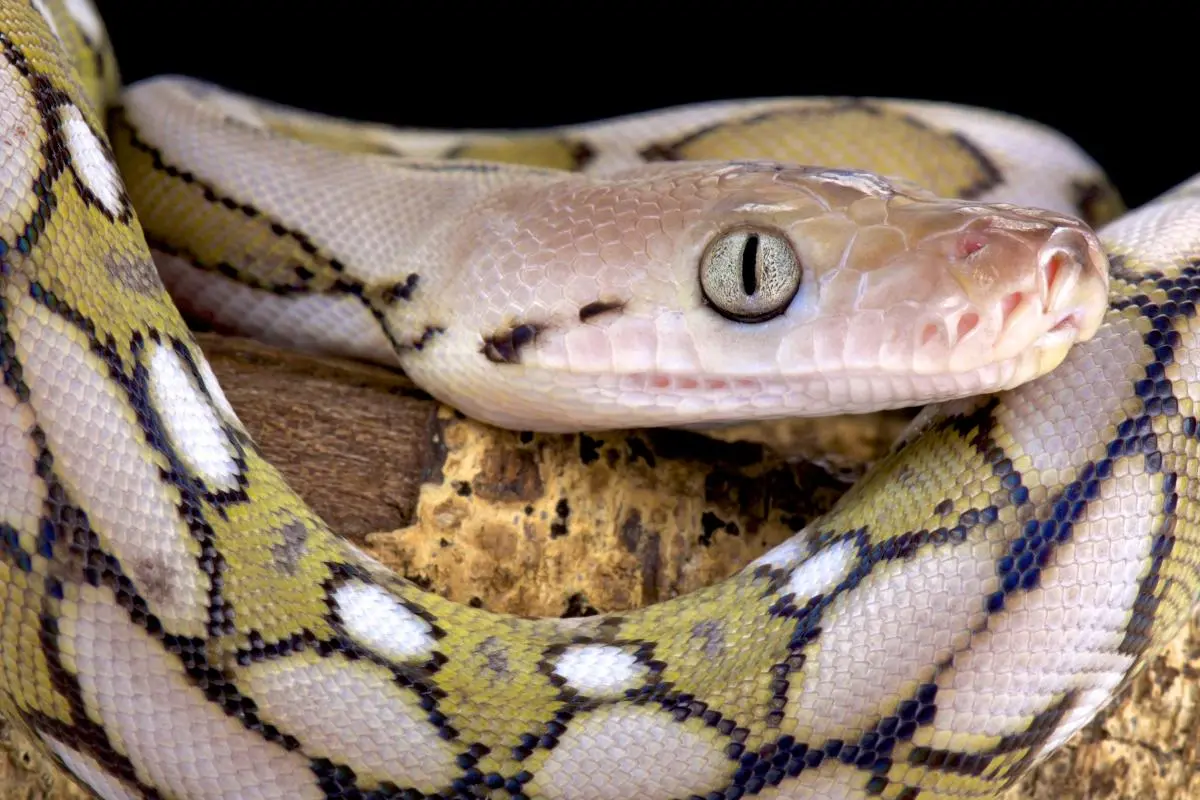
Invasive Burmese pythons in Florida, which are typically found in swamps and dense thickets, occasionally climb trees. One adult male climbed to a height of 7 meters. The snakes most often do this in winter, when the branches help them bask in the sun. This is evidenced by the results of an eight-year study of 356 pythons in the Big Cypress National Preserve, according to The Times of India.
The study was conducted by scientists from the U.S. Geological Survey (USGS) in collaboration with partner institutions from 2017 to 2024. They tracked 188 adult and 168 juvenile pythons using radio telemetry and collected more than 4,000 records of the snakes’ locations.
Less than 3% of all observations were made on trees or bushes. At the same time, about 14% of adults and 17% of juveniles were recorded above the ground at least once.
Winter Sunbathing on Branches
Most instances of climbing occurred during the cool, dry months, particularly in December and January. During this period, adult pythons mostly basked in the sun: reptiles rely on external heat sources to regulate their body temperature.
In January 2022, a USGS researcher observed a male basking on a willow branch at a height of about 2.5 meters. In February of that same year, another adult male was found on a Brazilian pepper tree about 5 meters above the ground.
Scientists noticed this behavior by chance while studying python reproduction in cypress swamps and willow marshes in southwest Florida. It had not been previously described in modern research. Heavy adult snakes prefer cypresses and Virginia oaks, according to The Palm Beach Post.
Elusive Predators and a Threat to Bird Nests
The new data is important for agencies that trap pythons: the snakes are already difficult to detect in the Everglades. The probability of finding a specific individual during a search, according to current estimates, may be less than 5%. Researchers believe that the seasonal use of trees should be taken into account when planning monitoring and capture efforts.
Scientists also want to determine whether these pythons pose a threat to birds that nest in trees and shrubs. No attacks on birds at height were observed during the study. However, previous studies have already documented that pythons in this region prey on the nests of great white egrets and white ibises.
In recent years, experts have removed thousands of pythons from the Everglades. However, almost all of the snakes are found only on roads, as they are virtually impossible to spot in their natural habitat, according to the U.S. National Park Service.