
Pill-y towels, pilling on sweaters, and wrinkled shirts aren’t an inevitable result of washing. To keep your laundry soft and looking like new for longer, try adding baking soda to the drum, using the delicate cycle, drying at a lower temperature, using a lint remover, and a steamer instead of a hot iron. Le Parisien shares these five little-known tips.
For everyday laundry, the publication recommends washing machines with a honeycomb drum, which reduces friction on fabrics, and a separate cycle for delicate items. Another tip: add one or two tablespoons of baking soda to the drum. It softens the water and neutralizes odors, but it’s not suitable for silk or wool.
Heat-pump dryers operate at lower temperatures than conventional ones, so clothes wear out less quickly in them. It’s recommended to remove pills from sweaters and blankets using an electric knitwear shaver, and to smooth out shirts with a steamer that doesn’t scorch the fabric, especially silk.
Fabric softener—not for every wash
Fabric softener, the most popular product for softness, can leave greasy or waxy streaks on clothing if used incorrectly, make towels less absorbent, and reduce the functionality of athletic wear, warns Better Homes & Gardens. The product coats the fibers with a film that impairs moisture wicking and, in children’s sleepwear, can reduce flame resistance.
Clorox corporate scientist Mary Gallardi, known as “Dr. Laundry,” attributes the appearance of stains primarily to mistakes made by homeowners. Liquid fabric conditioners are concentrated, and without being diluted with water, they penetrate deep into the fibers.
“Stains from liquid fabric softener are usually the result of improper use of the product,” Gallardi emphasizes.
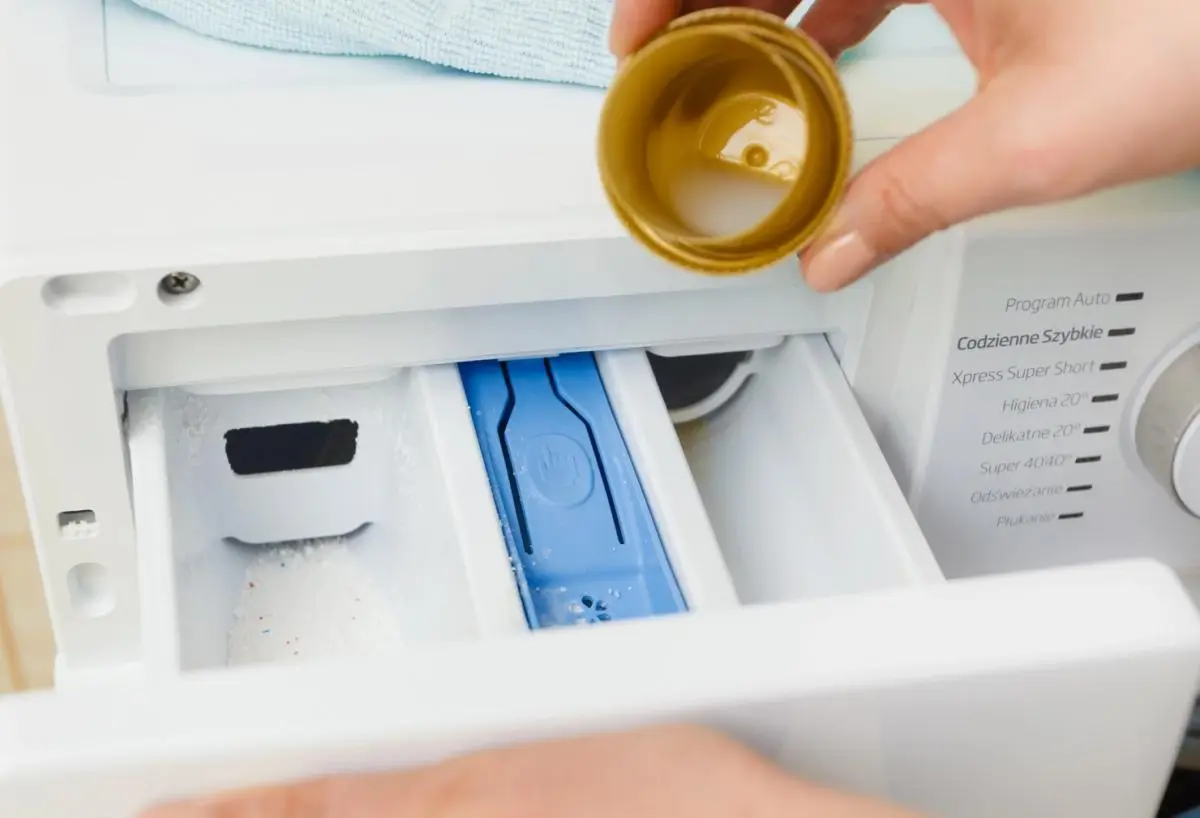
Amanda Abraham, brand manager at Maytag Laundry, adds that the problem arises when the product is added at the beginning of the cycle, poured directly onto the clothes, or used in excess of the recommended amount. This is a common mistake with top-loading machines that don’t have a dispenser.
“To avoid stains, don’t drip fabric softener directly onto clothes; dilute and measure it according to the manufacturer’s recommendations and the load size, and add it only during the rinse cycle,” advises Abraham.
It’s very difficult to remove such stains, Gallardi admits. She suggests applying liquid laundry detergent to the dry stain, rubbing it in thoroughly, letting it sit for ten minutes, and then rinsing with very hot water under high pressure. It’s best to air-dry the item: the heat from the dryer can set any remaining stain.
You can achieve softness even without fabric softener: don’t overdry your clothes, don’t overload the drum, and choose the right wash cycles. “Fabric softener is an optional addition to the washing process and should not be used during every cycle,” Abraham concludes.