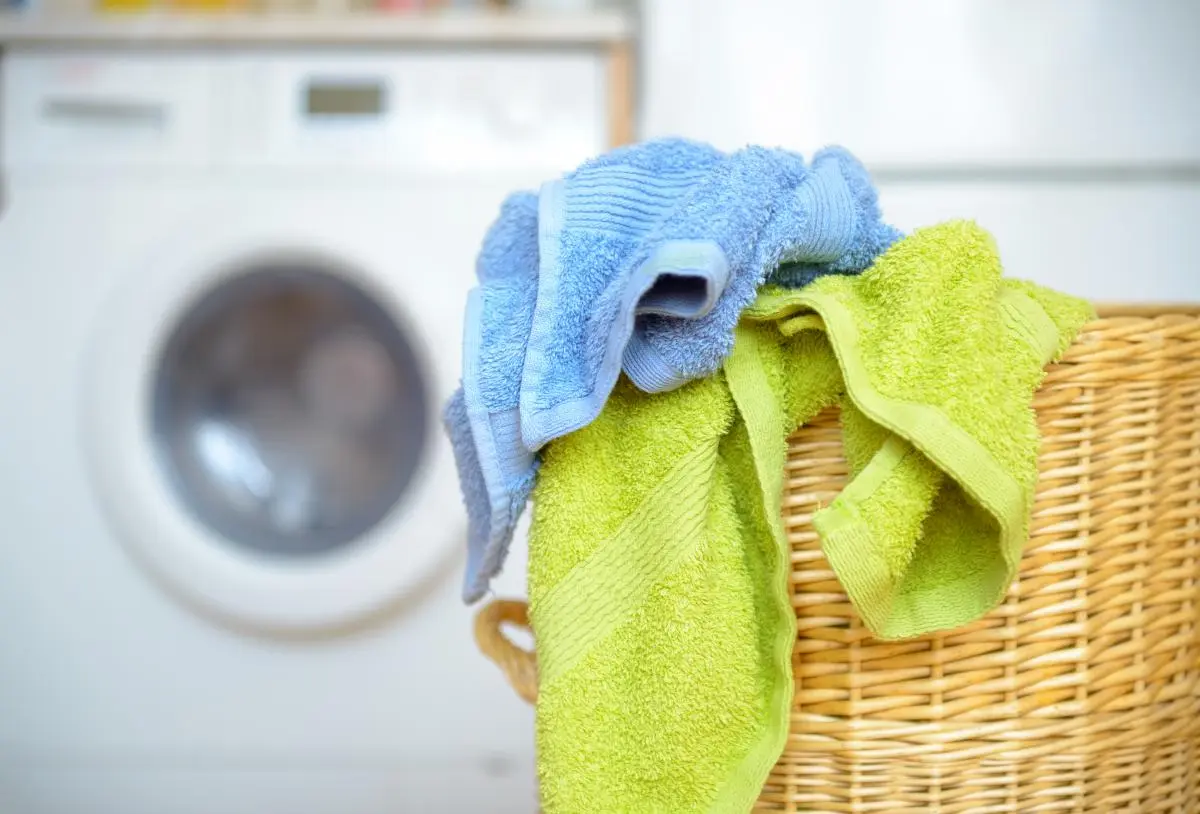
To keep your towels soft, fluffy, and smelling fresh after washing, instead of using expensive fabric softeners, simply add three tablespoons of citric acid to the washing machine drum or the fabric softener compartment. This remedy acts as a natural fabric softener and freshener, and it also gently brightens white towels without damaging the fabric’s structure, according to RMF FM.
The publication also advises reviewing your laundry habits. Excess detergent builds up on the fibers, causing the towel to become stiff and less effective. It’s best to avoid liquid fabric softeners and wash in warm water at a temperature of about 40 degrees: under these conditions, the detergents dissolve well, and the fibers remain undamaged.
The choice of towels themselves is equally important. Products made of high-quality cotton with a density of 450–550 g/m² retain their softness and water-absorbing capacity the longest.
Why Fabric Softener Is Harmful
The American home magazine *Good Housekeeping* also does not recommend adding fabric softener when washing towels. According to the publication, not only does it fail to make them softer, but it also gradually undermines the very reason people buy them, writes *Good Housekeeping*.
“Fabric softener leaves a greasy film on the fibers, which over time can reduce the towel’s absorbency,” emphasizes expert Pinsonno, whom the magazine cites.
Fabric softener is also undesirable for white items. According to Pinsonno, it can leave a film on the fabric, and excessive use can eventually cause yellowing, graying, or discoloration.
The Secret Lies in Cotton and Loops
Towels absorb moisture so well thanks to the properties of cotton. Its fibers attract water molecules and have hollow spaces inside, so cotton can absorb water 27 times its own weight. The characteristic loops of terry cloth further increase the surface area in contact with the skin, according to the Institute of Making.