
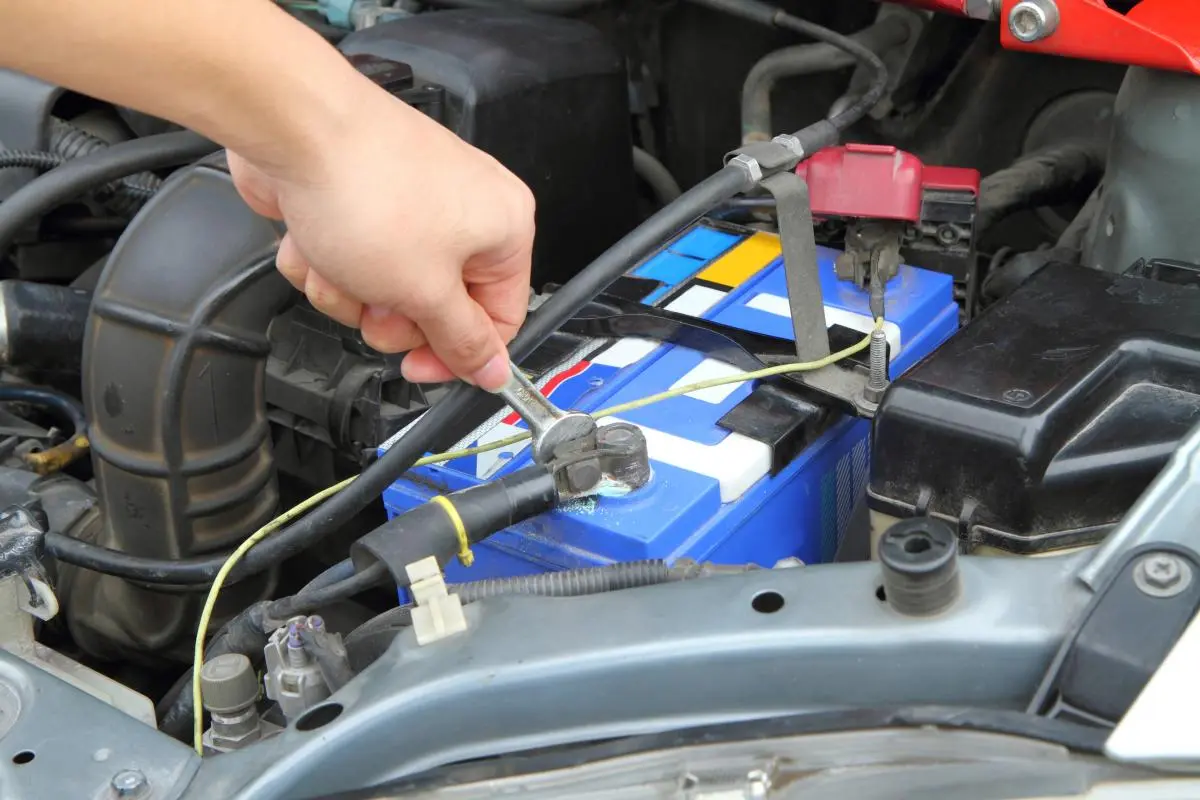
A fully functional car battery should read approximately 12.6–12.8 V when at rest, and a reading below 12.4 V may indicate that the battery is discharged or defective. This check should be performed with a multimeter a few hours—or, better yet, a day—after charging to avoid problems starting the engine, according to Moto.pl.
A load tester helps provide a more accurate assessment of the battery’s condition: during such a test, the voltage should not drop below 10 V. In maintenance-required batteries with caps, the electrolyte density is checked with a hydrometer. The standard is approximately 1.28 g/cm³, and the difference between cells should not exceed 0.02 g/cm³. You should also inspect the case for swelling and cracks, check that the terminals are clean and tight, and, if necessary, have a computer diagnostic test performed at a repair shop.
The typical service life of a battery is 3–5 years. This lifespan is shortened by frequent short trips, driving in traffic jams, cold weather, improper charging, and electrical system malfunctions. It is recommended to replace the battery if the voltage remains low even after charging, the engine won’t start in cold weather, the case is deformed, or the electrolyte density in the cells varies significantly.
Warning Signs and Checks While the Engine Is Running
Signs of a faulty battery may include the battery indicator light on the dashboard, a smell of rotten eggs (indicating overcharging), a swollen case, or a characteristic “sneezing” sound from the starter. Before testing with a multimeter, experts recommend turning on the headlights for about two minutes to discharge the surface charge. After starting the engine, the voltage should exceed 13 V; otherwise, the alternator or the battery itself may be faulty, according to Interstate Batteries.
Older batteries are the most vulnerable, especially during sudden weather changes, so it’s best to have them checked before the onset of heat or cold.
“The last thing you want is a dead battery when you least expect it,” emphasizes a company specialist.
A dead battery doesn’t necessarily mean it’s broken
At the same time, a car may fail to start even with a working battery: the cause could be a malfunction in the charging system, a current leak when the ignition is off, or problems with the terminals, fuse, starter, or immobilizer. Therefore, before testing a dead battery, you need to charge it and then discharge it slightly by leaving the headlights on for three minutes; otherwise a freshly charged battery may appear to be in better condition than it actually is, warns Art’s Automotive.
Mechanics consider the load test to be the gold standard. According to the SAE standard, a serviceable 12-volt battery under a load equal to half the cold-cranking current must maintain at least 9.6 V for 15 seconds at a temperature of approximately 21°C. According to the service center, electronic internal resistance testers are inaccurate in about half of the cases when testing a discharged battery.
“Smart testers are essentially binary—good or bad. There are no nuances or doubts,” the service notes.