
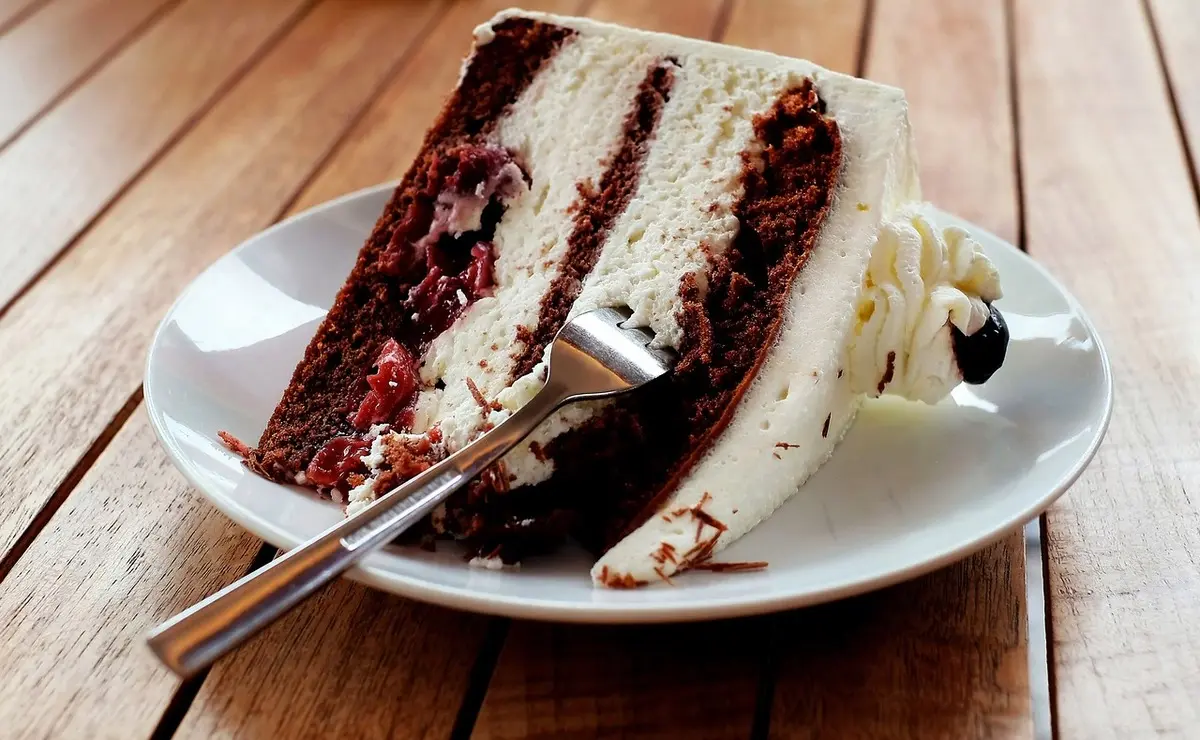
People who don’t deny themselves sweets often possess eight enviable character traits: from the ability to enjoy the moment to a charisma that draws others to them. Author Julia McNulty writes about this in her column, according to YourTango.
McNulty, who holds a master’s degree in literary and cultural studies, cautions that this isn’t about eating double portions of dessert every day, but rather about balance. At the same time, she believes it’s important to allow yourself small pleasures without having to justify each one.
The author cites the ability to fully experience joy as the first trait. For those who constantly restrict themselves, even a rare treat can bring disappointment instead of pleasure.
“People with a serious sweet tooth understand how important it is to savor such moments. When they feel joy, they pause for a moment and simply soak it in,” notes McNulty.
The list also includes childlike spontaneity, generosity, the ability to have fun without a special occasion, and the ability to make everyday life more special. According to the author, such people are easily delighted by the little things, and their ease makes them charismatic: they’re the ones who suggest grabbing some ice cream and turn an ordinary walk into an event.
McNulty writes separately about optimism. Sweets, she admits, won’t solve all problems, but a small joy on a difficult day can make a difference.
“They don’t necessarily ignore the bad or pretend that life is always wonderful. They simply don’t let a tough day take away every opportunity to experience something good,” the author believes.
A Ban That Doesn’t Work
Cultural studies scholar Samira Kavosh, who researches the history of candy in American culture, emphasized as early as a 2010 interview that sweets are overly demonized. She pointed out that a lollipop contains less sugar than a juice packet, yet parents often have no qualms about giving their children juice while worrying about candy, according to Smithsonian Magazine.
The researcher believes that candy has become a sort of vessel for anxieties about food in general, since it sits right on the edge of what people consider to be food. For her own daughter, she’s looking for a different approach to sweets.
“I think if you say, ‘This is bad, you can never have it,’ that’s a surefire way to create an unhealthy obsession. So I’m trying to figure out how to teach her that candy is something enjoyable, something I like, but I don’t have to eat it all at once,” says Kavosh.