
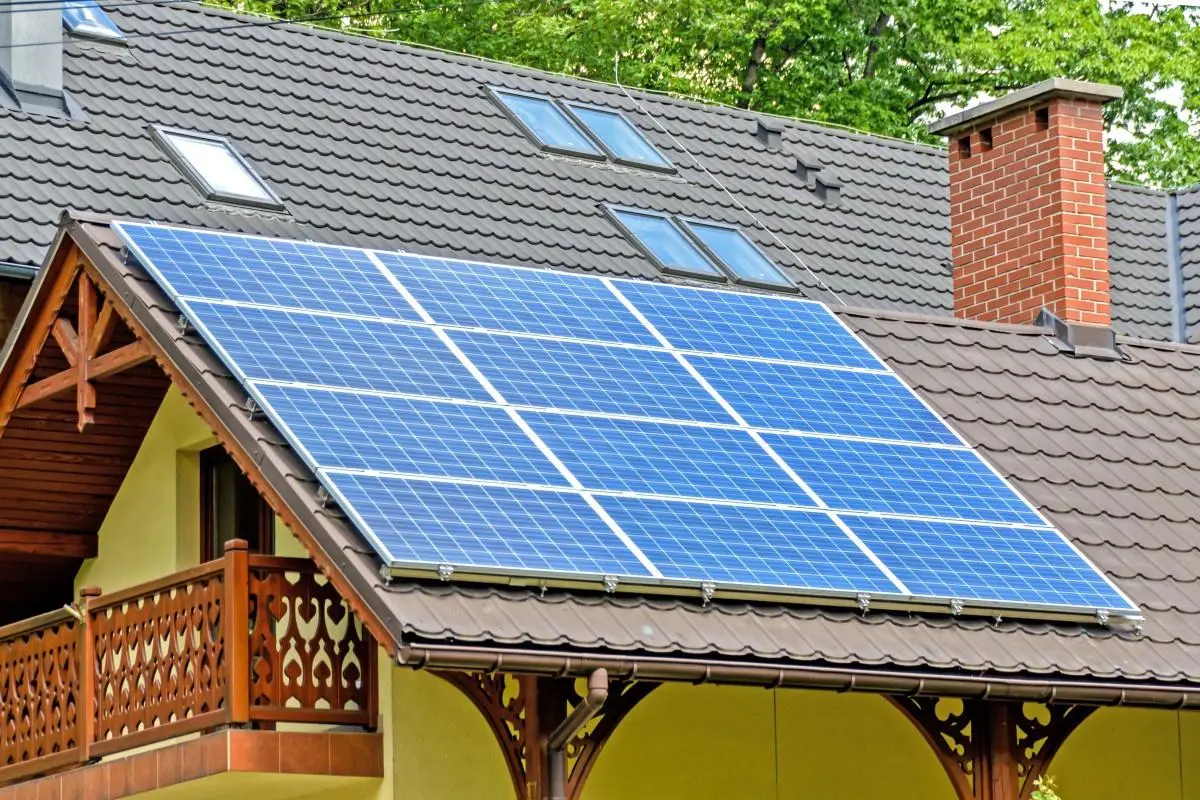
Solar panels can be cleaned with a brush, but only one with soft bristles and without applying excessive pressure. You shouldn’t use a pressure washer for this, as it can damage the modules and their electronics, according to SlashGear.
Before cleaning, turn off the panels, unplug them from the power source, and let them cool down to avoid thermal shock. Then, gently wet the surface with a garden hose equipped with an adjustable spray nozzle, and apply a professional solar panel cleaner. You can substitute this with water mixed with a small piece of mild soap. Harsh, abrasive chemicals can corrode the surface.
To remove any remaining dirt, use the same type of brush you’d use to clean windows in your home or on your car. The publication recommends models with a built-in water supply that combine spraying and cleaning. An alternative is a car sponge or a scraper made of soft materials. Regular hard scrapers and kitchen sponges are not suitable for this purpose.
Pressure Washers and Excessive Force
A powerful jet from a high-pressure washer can scratch or crack the surface of the module. In addition, it can pierce the panel’s sealed edges and reach the sensitive components inside, where water can cause irreparable damage.
“It won’t matter how clean you get the solar panels if the components responsible for generating electricity are completely burned out,” warns the article’s author, Daniel Trok.
Stubborn stains left behind after a thunderstorm or snowstorm should not be scrubbed vigorously, even with a soft brush. It’s better to repeat the same procedure with water, detergent, and gentle cleaning on a small area. Stepping on the panels on the roof is strictly prohibited: they are not designed to support a person’s weight and can crack even from a light step. For hard-to-reach areas, a brush with a telescoping handle is recommended.
How many times a year and when exactly
It is recommended to clean the panels two to four times a year—for example, at the beginning or end of each season—to remove pollen, dust, dirty snow, or leaves. At a minimum, clean them twice a year, at the end of winter and summer. It’s best to work early in the morning or late in the afternoon. At midday in sunny weather, the panels get too hot.
Research by Moroccan scientists shows that dust accumulation gradually reduces the efficiency of photovoltaic systems by 1–6.2%. Improper manual cleaning also has consequences: in one of the arrays studied in Morocco, a single row of panels lost 1.8 kWh of energy due to cracks in the module cells. At the same time, the use of a special cleaning solution allowed for a 50% reduction in water consumption compared to cleaning with plain water, according to the authors of the article in PMC.