
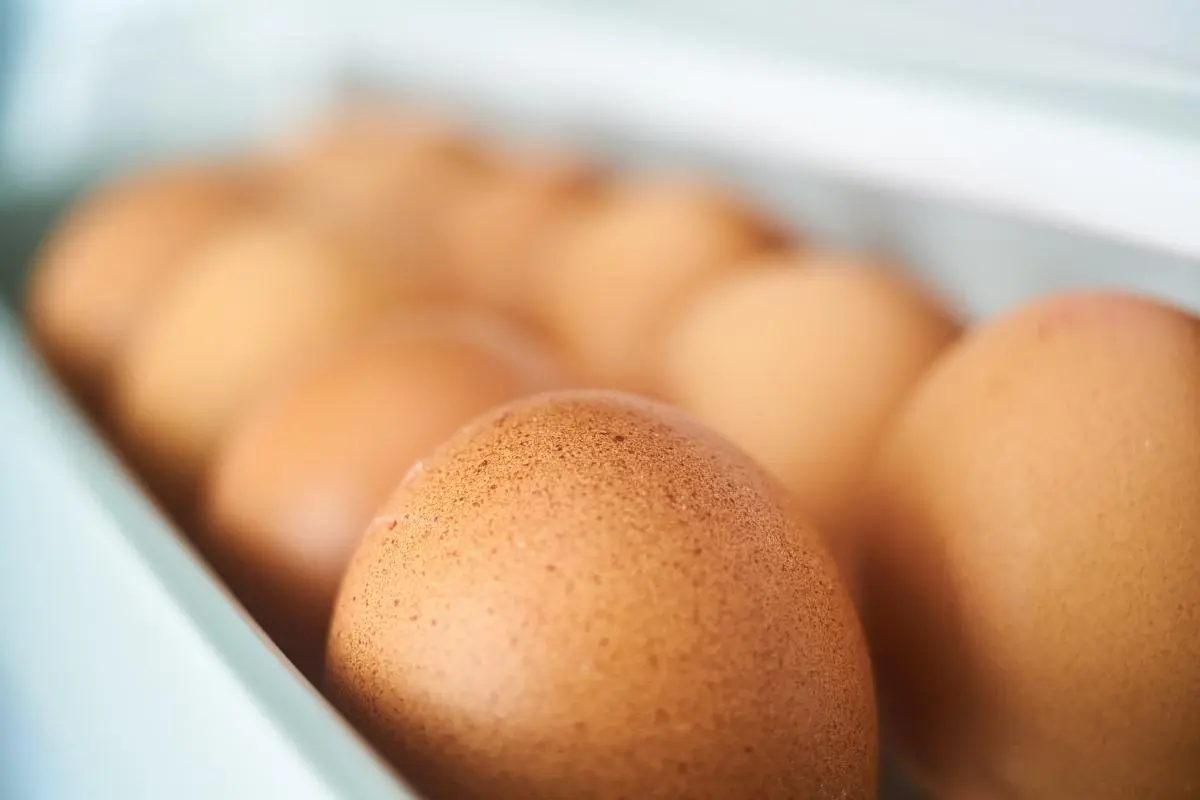
Eggs with green or blue shells are not automatically healthier than white or brown ones: the unusual color is due to the genetics of specific chicken breeds and the natural pigment beaverine, not the composition of the egg’s contents. For consumers, what matters is the product’s origin, freshness, and storage conditions, according to LoveDeco.
Beverdin is a bile pigment formed during the breakdown of heme—a component of hemoglobin in the blood. It is this pigment that gives the eggs of certain chicken breeds—as well as those of many wild birds—their blue and greenish hues. The pigment enters the shell while the egg is still forming.
Unlike brown eggs, which are colored by protoporphyrin IX mainly in the outer layers, biliverdin permeates the shell completely. Therefore, the shell can be blue even on the inside. When the blue pigment combines with brown, green hues appear, particularly olive.
The Chilean breed and “olive” hybrids
The ability to lay colored eggs is genetically inherited. The best-known example is the Araucana, a breed from Chile that lays blue or greenish-blue eggs. This trait was fixed through selective breeding and passed on to other breeds, such as the blue-shelled Ameraucanas.
Chickens known as Olive Eggers lay eggs that are olive-colored, sometimes very dark. These are usually hybrids of breeds that lay blue and brown eggs: the inner blue pigment and the outer brown pigment combine to produce a greenish hue.
What Actually Affects Quality
There is no scientific evidence that Araucana eggs contain less cholesterol. The shell color affects neither the taste nor the nutritional value. Differences in taste are largely determined by the birds’ diet, the freshness of the eggs, and the method of preparation.
What the hens are fed is much more important. Feed containing flaxseed or other sources of omega-3 increases the content of these fatty acids in the eggs, and the diet also affects the amount of vitamin D. Carotenoids from corn make the yolk brighter, but a rich color does not guarantee better nutritional value.
As for safety, raw eggs should be stored at a temperature between 0 and 4 degrees, and cracked eggs should be discarded due to the increased risk of contamination. Proper heat treatment reduces the risks associated with bacteria such as Salmonella.