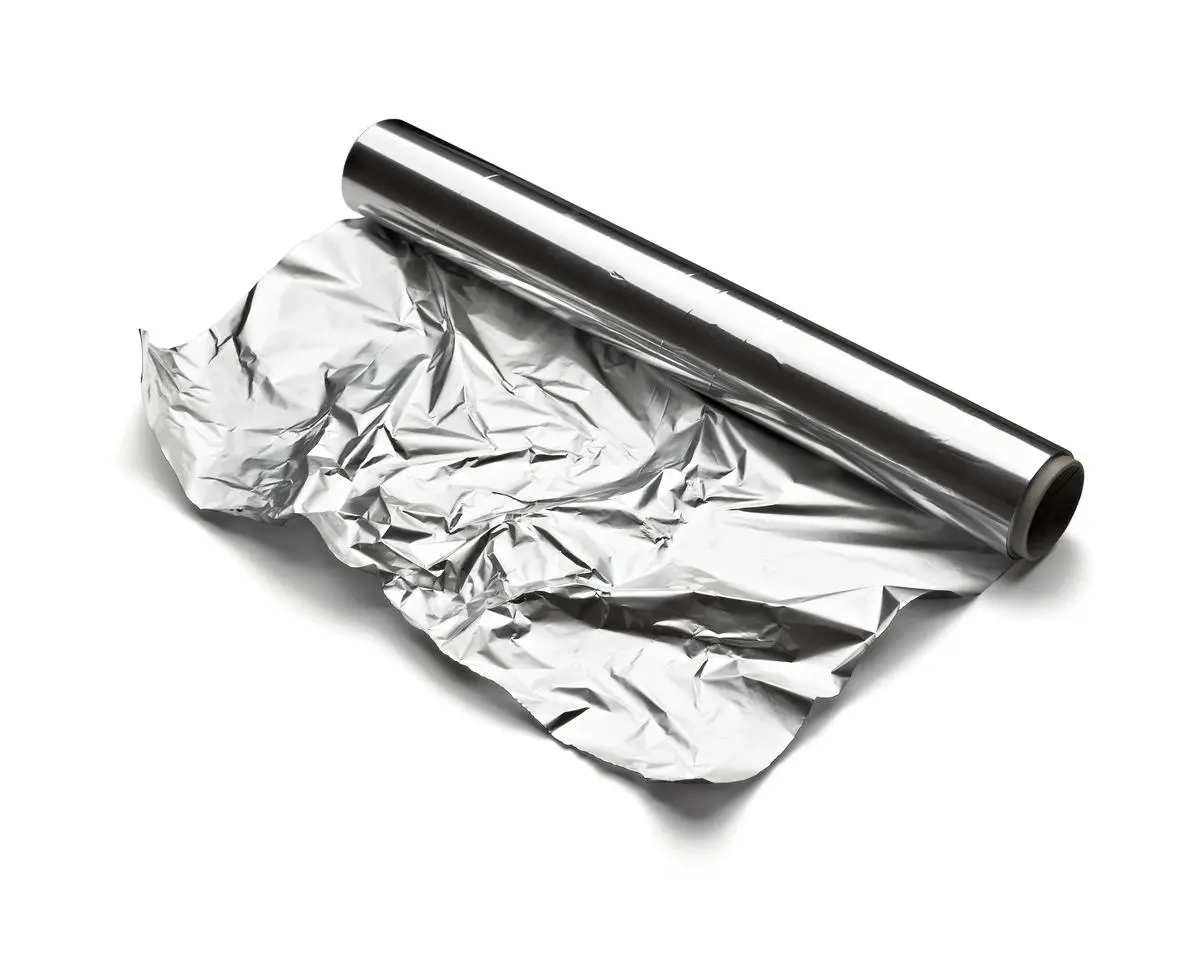
Using homemade screens made of cardboard and aluminum foil behind radiators can significantly reduce heat loss through the building’s exterior walls. This method is an effective way to improve a home’s energy efficiency, as it reflects infrared radiation back into the room instead of needlessly heating the brickwork or concrete, according to Story.pl.
How Reflectors Work and Their Effectiveness
Radiators transfer heat not only through convection (air movement) but also through radiation. If a radiator is installed on an uninsulated exterior wall, a significant portion of the energy is lost to the outside. Installing a foil screen creates a thermal barrier that redirects the flow of energy into the living space. A study by the University of Salford confirmed that using such panels can reduce heat loss through exterior walls by 54–66% during the heating season, according to BestHeating.
Experts emphasize that the effectiveness of such solutions depends on the type of building and the design of the radiators themselves. Reflectors are most beneficial in older homes with thin exterior walls, where radiators are recessed into niches. “Insulation films are better than nothing,” notes Christian Handwerk, an energy expert at the North Rhine-Westphalia Consumer Advice Center, emphasizing that while such measures cannot replace a full-scale thermal retrofit, they are an affordable way to improve indoor comfort, according to Utopia.de.
Practical Tips for Installation
To create a budget-friendly screen, simply glue aluminum foil to a sheet of cardboard and place it behind the radiator, leaving a small air gap for air circulation. It is important that the shiny side faces the heat source and that the screen itself does not block ventilation openings or thermostatic valves. Since the surface temperature of radiators (even steam-powered ones) usually does not exceed 100 °C, using cardboard is safe, as paper ignites at much higher temperatures, according to HeatingHelp.