Effective heat retention during extreme cold depends not on the power of heating appliances, but on the quality of insulation and the building’s ability to retain energy. Modern methods, which are widely used in Northern European countries, involve a comprehensive approach: from the use of dense textile barriers to proper zoning of the space and sealing of window openings, according to Libertatea.
Lessons in Sustainable Construction
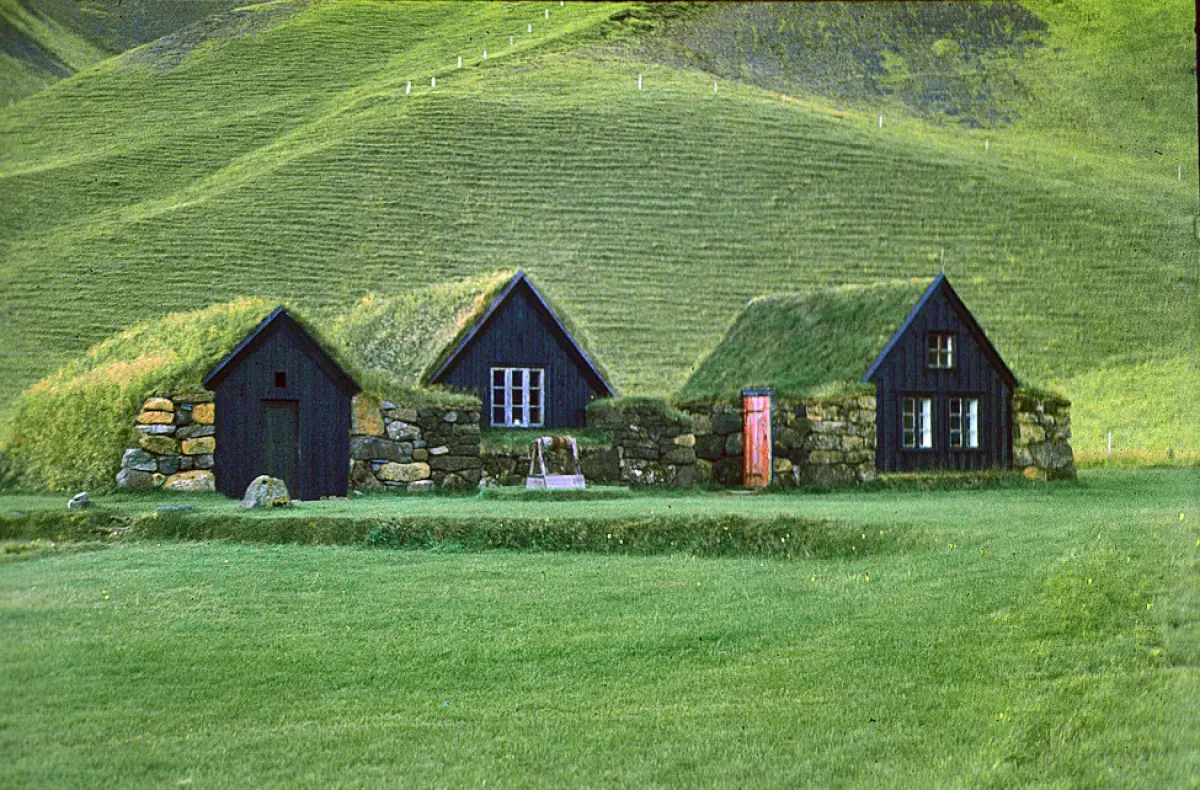
Iceland’s historical experience shows that survival in harsh climatic conditions would have been impossible without the innovative use of natural resources. Traditional Icelandic turf houses, known as “torfbæir,” were built from blocks of earth and grass, which provided exceptional thermal insulation, allowing for a comfortable temperature even without additional heating sources, notes The Viking Herald.
“Turf houses were the only barrier between our ancestors and certain death! This is also what the settlers knew: they came from places where they were already accustomed to building with this material,” said turf house builder Helgi Sigurdsson, according to the BBC.
Energy-Efficiency Technologies
The secret to the efficiency of such structures lay in the use of massive thermal materials that stored heat and gradually released it into the interior. Modern experts emphasize that even when using the latest materials, the principle of minimizing energy loss remains key to sustainable architectural design.
Even after the transition to modern concrete and steel structures, many Icelanders noted that the new houses turned out to be significantly colder than traditional turf-roofed dwellings. This is prompting architects to rethink their approaches to construction, favoring renewable materials and local solutions that blend harmoniously with the surrounding landscape.