
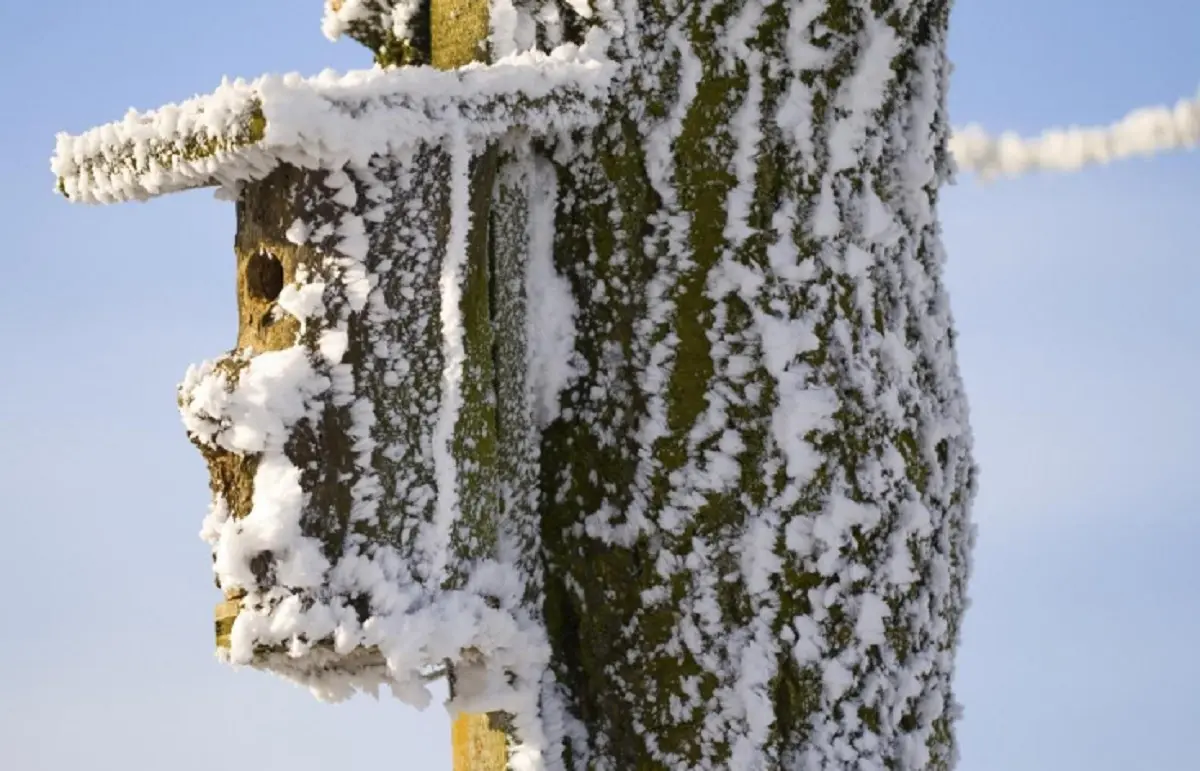
The winter of 2026–2027 in Ukraine is likely to be milder than usual: the average monthly temperature may exceed the climatological norm by 1–2 degrees. However, brief incursions of Arctic air cannot be ruled out. This preliminary forecast was announced during a briefing by Natalia Ptukha, head of the media relations department at the Ukrainian Hydrometeorological Center of the State Emergency Service of Ukraine (SES), according to Ukrinform.
The key factor this season is atmospheric circulation. According to preliminary calculations, Atlantic—that is, westerly—air mass transport will prevail during the cold season. This assessment for Eastern Europe is generally shared by the global hydrometeorological community.
“This will contribute to temperatures being above the climatic norm in most winter months. But we have practically never had winters without these Arctic incursions. They vary in intensity and duration. Recently, their duration has been decreasing, but we still need to be prepared for freezing temperatures,” Ptukha emphasized.
The meteorologist reminded the public that only the Ukrainian Hydrometeorological Center has the authority to officially issue warnings about hazardous and natural phenomena. A yellow alert means that people should be mindful of changing weather conditions, as they may complicate daily activities. An orange alert signals that people should not leave home unless absolutely necessary. A red alert is a direct recommendation to stay home and stock up on essentials.
A separate issue is the way this information reaches the public.
“For example, we might issue a Level 1—yellow—alert, but some irresponsible media outlets might distort it slightly or exaggerate where it’s not necessary. As a result, trust in the alert diminishes somewhat,” Ptukha said.
She advises checking the time the alert was published, since it may no longer be relevant the next day, as well as the area to which it applies.
Scientists: No Prolonged Cold Spells or Snow
Vazira Martazinova, a senior research fellow at the Ukrainian Hydrometeorological Institute, paints a similar picture. According to her own model, November and December will be warmer than the climatic norm, a stable snow cover is unlikely to form in December, and January will be changeable, reports “Telegraf.”
The question of how harsh this winter will be has implications beyond everyday life. The scientist noted separately that without heating, people will be cold regardless of the weather, but that is a separate issue.
“I do not foresee severe frosts or heavy snowfalls. Frosty days with daytime temperatures below freezing and nighttime temperatures below -10 degrees are possible, but they will be short-lived,” Martazinova noted.
At the same time, seasonal forecasts have limited accuracy. The Ukrainian Hydrometeorological Center itself issues 5-day forecasts, 10-day outlooks, and publishes a summary forecast for the following month at the end of each month. As for seasonal forecasts, the service only provides recommendations based on trends from global forecasting centers and the Ukrainian Hydrometeorological Institute. It also warns against “amateur forecasters” who lack meteorological training and access to professional data, the Ukrainian Hydrometeorological Center notes.
Warm winters are no longer the exception
Mild winters are part of a long-term trend. Vira Balabukh, head of the Department of Applied Meteorology and Climatology at the Ukrainian Hydrometeorological Institute, previously stated that the average annual temperature in Ukraine is rising nearly three times faster than the global average. The current climate norm (1991–2020) is 1.2 °C higher than the previous one, and both winter and summer have warmed by nearly 1.5 °C. The winter season has shortened by nearly a month, so the heating season is becoming shorter and requires fewer resources than it did 30 years ago, according to an interview with UP. Life.
Warming is also changing the very nature of the cold season, and the consequences of this are felt far beyond the calendar.
“Since temperatures are mostly above freezing, precipitation more often takes the form of rain rather than snow. The period of sustained snow cover is significantly shorter. This affects the water levels of snow-fed rivers and, as a result, leads to water resource problems,” Balabukh warns.
The climatologist also explains the nature of sudden cold snaps. Jet streams separate the Arctic latitudes from the temperate zones. Due to rapid warming in the polar regions, these jet streams are becoming unstable, and cold air masses occasionally break through to the south. However, such episodes are now significantly milder than before.
“But this is a short-lived period with temperatures that aren’t particularly low. We’ve long since forgotten about frosts of 30–40°C,” Balabukh noted.