
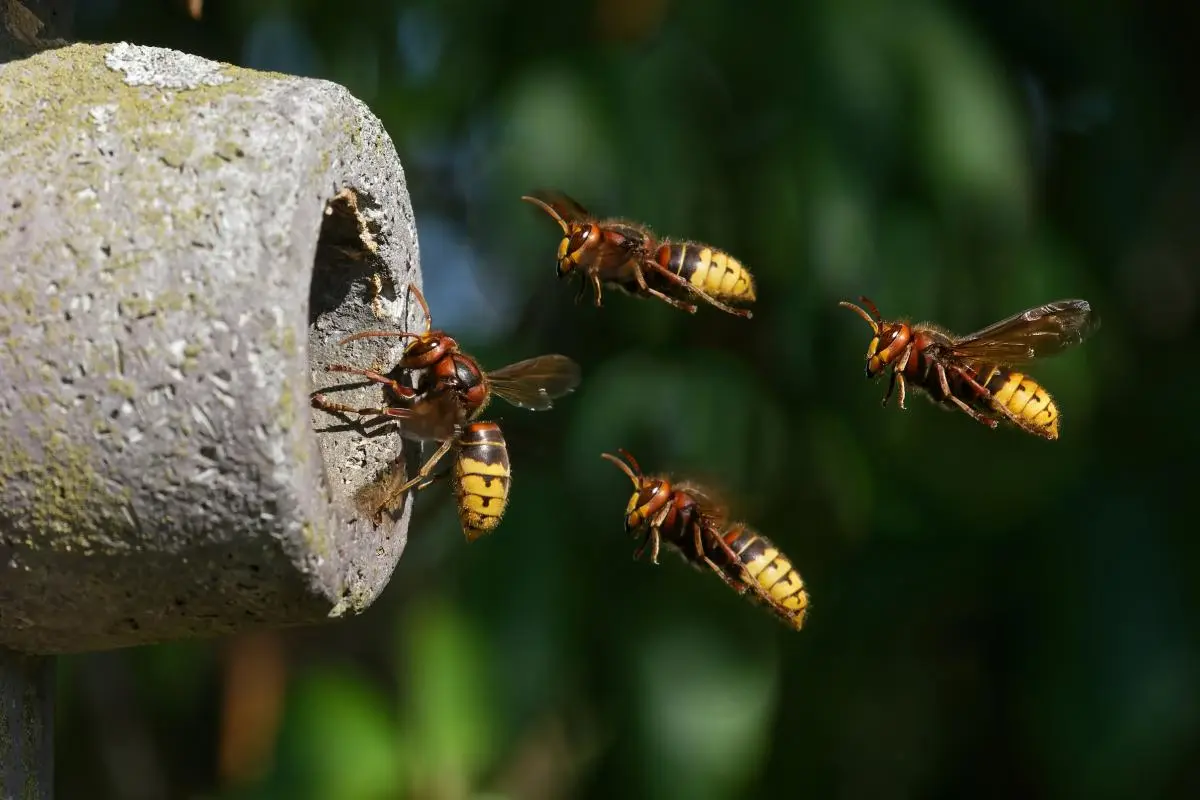
In the Aragonese town of Alcañiz, 62 female Asian hornets (Vespa velutina) were captured in one month. To do this, they used homemade traps made from recycled plastic bottles, hung along the banks of the Guadalupe River, according to OKDiario.
Last summer, nine nests of this invasive species were discovered near the municipality. The campaign against the hornets began in March. It is being carried out jointly by the city council’s forest ranger and nature conservation agents from the Aragon regional government. The goal is to capture the queens before they establish new nests: a single female is capable of creating a colony of more than 2,000 workers.
A Bottle with No Way Out
At first glance, the trap looks like an ordinary bottle hanging from a tree. However, it has two opposing side openings with funnels made from the tops of other bottles. The hornets are attracted by the smell of the fermented liquid inside and fall to the bottom.
Black cable ties are secured inside, which the insects try to climb up. However, they encounter an opening that is too narrow, bump into it, and fall back down. The lure was designed specifically for Asian hornets to minimize harm to other species, particularly local bees. The traps are placed mainly near bodies of water and in dense vegetation, where queens fly to forage after hibernation.
The humidity around the riverbed and the terrain of Lower Aragon contribute to the spread of the species. Therefore, local farmers—for whom pollination and the protection of beehives are critically important—are closely monitoring the progress of the campaign.
Nacho Orenzans, head of the pest control company Quimera, appeared on Aragón TV and urged people not to panic if they encounter these insects.
“The danger to humans is minimal, as this is a wasp that generally does not bother people and is not particularly aggressive. However, if we get within five meters of a nest or create vibrations nearby, one or two wasps may fly over to see if they can scare us away or make us move away from the nest, and if not, a mass attack could indeed occur,” warns Orenans.
Why They Target Queens
The Asian hornet first appeared in Spain in 2010. In some bee colonies, mortality rates reached 50% after its arrival, and the surviving bees produce less honey. The traps used previously were not selective and killed many native species, writes El País.
A single hornet colony consumes approximately 11 kg of insects per year. In France, where the species arrived in 2004, it accounts for 20% to 50% of honeybee deaths. Éric Darouze, a researcher at the University of Tours, believes that it is practically impossible to completely eradicate the hornet in Europe because its range has become too widespread, according to Euronews.
“If we are effective, we will be able to reduce the population to a socially acceptable level and limit its impact on agriculture, beekeeping, human health, and biodiversity,” the scientist emphasizes.