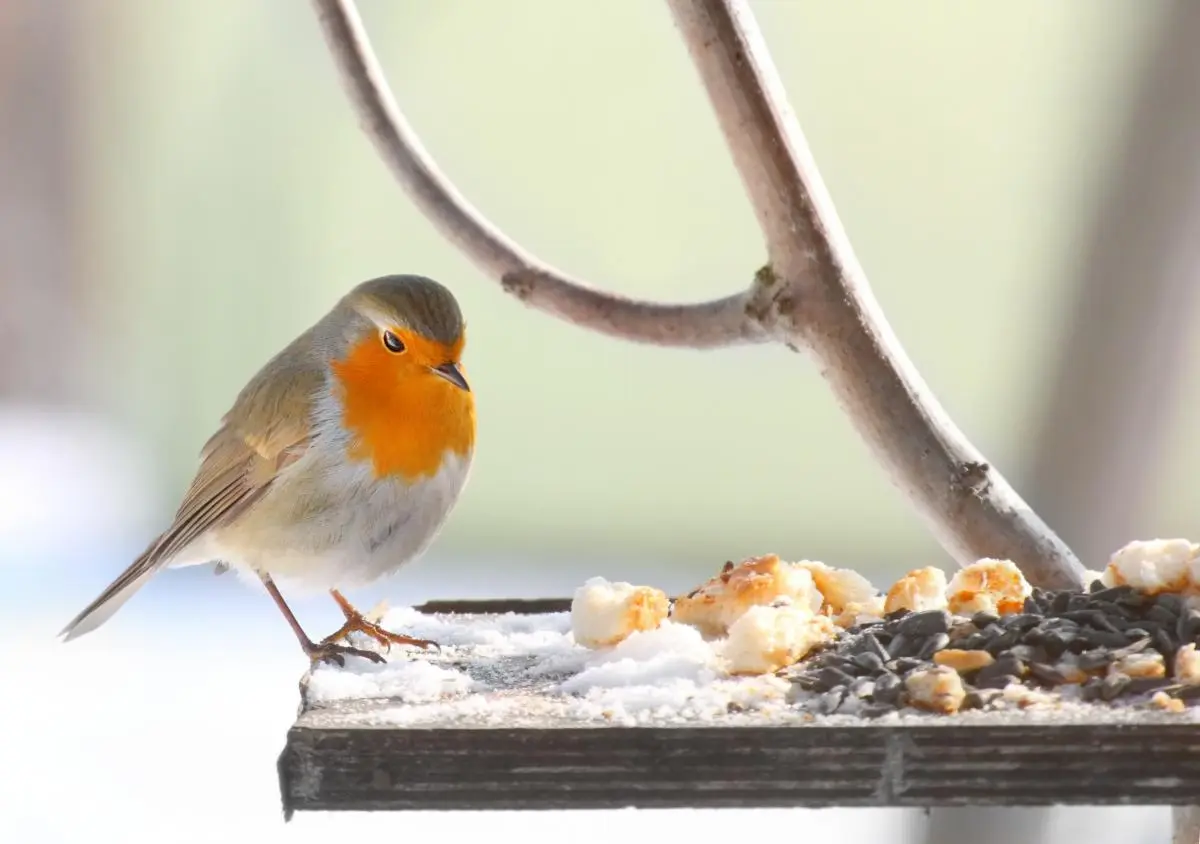
Bread, rolls, bagels, and breadcrumbs should not be placed in bird feeders: when exposed to rain and melting snow, baked goods begin to ferment and can cause inflammation of the stomach and intestines in birds. The Hungarian Society for Ornithology and Nature Conservation (MME) has issued this warning, according to Kertészkedj.hu.
In November, bird feeders appear in most gardens, and many people fill them with leftovers from home: dry bread crusts, lard rinds, or potato chips from the bottom of a bag. In Hungary, birds have been fed during the winter since at least 1890; this year marks the 137th season. Every year, the MME publishes a list of permitted and prohibited foods.
The management of the Bükk National Park is even more categorical: fermented bread can even lead to the death of birds. Instead of baked goods, the MME recommends oilseeds and animal fat, as these provide birds with enough energy to survive freezing nights.
The list of prohibited items also includes pasta and raw rice: they consist of carbohydrates and also spoil when exposed to moisture. The conservation organization Nimfea advises avoiding flour as well. As for raw rice, which supposedly swells in a bird’s stomach, explanations vary, but MME keeps it on the banned list. The publication advises cooking leftover grains for yourself and buying sunflower seeds for the birds.
Ground meat gets stuck in the beak
Australian urban ecologist and professor emeritus Daryl Jones also warns against any processed foods: bread, sausages, and ground meat. According to him, supplemental feeding can never replace a bird’s natural diet, so you shouldn’t give them large portions, and the feeding area should be kept clean. The scientist advises buying seed mixes from animal feed manufacturers, ABC reports.
“Ground beef is terrible for many reasons: it lacks calcium, it’s just meat, and birds usually eat the bones and fur—that is, the whole animal. Plus, ground meat is sticky and gets stuck in their beaks,” Jones emphasizes.
The Benefits and Risks of Feeders
At the same time, Jones points out that the danger to birds isn’t limited to what’s on the menu. Emma Greig, project director of FeederWatch at the Cornell Lab of Ornithology, advises washing feeders regularly, keeping cats indoors, and placing feeders at a safe distance from windows. In winter, she says, fat and black sunflower seeds increase birds’ chances of survival, according to All About Birds.
“The biggest problem is the spread of disease. If a bird is contagious, a feeder is the perfect place to spread the infection. But people won’t stop feeding birds—and they shouldn’t,” Jones says.
A three-year study of 11 bird species in Illinois showed that birds near feeders were generally healthier: they had lower stress levels, higher antioxidant levels, and faster feather growth. At the same time, infections were more common among them: at the peak of the outbreak, 8.3% of the birds showed symptoms of conjunctivitis, pox, or skin or cloacal diseases, according to data from a publication in PMC.