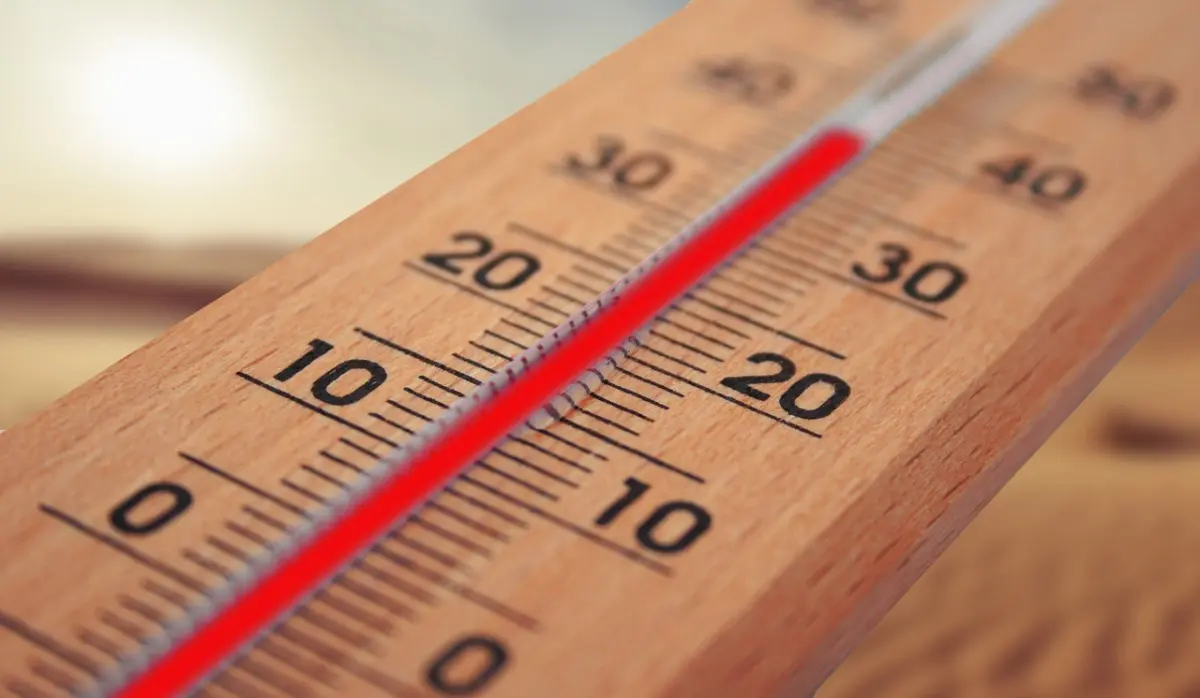
The scorching summer of 2026 claimed the lives of more than 50,000 residents of European cities and became the deadliest on record. Scientists attribute about two-thirds of these deaths to climate change, caused primarily by the burning of fossil fuels, according to Euronews.
Previous records were nearly half that number: about 29,000 deaths in the summer of 2022 and 28,000 in 2003. From June through August, temperatures in Western Europe remained 2.9 °C above the 1991–2020 average, and on some days exceeded it by as much as 12 °C. Nearly a third of the deaths occurred during the heat wave from June 17 to July 1, when temperatures averaged 5.3 °C above normal.
Italy was hit hardest, with 13,303 excess deaths recorded. Next were France (7,268), Spain (6,824), Germany (6,340), and the United Kingdom (4,354). About half of the deaths were among people aged 85 and older, but the victims also included about 6,000 people under the age of 65, including 800 people aged 20 to 44.
Researchers estimated the number of fatalities using modeling for 854 urban areas in the European Union (EU), the United Kingdom, Norway, and Switzerland, which are home to about 40% of the population of 30 countries.
“These figures are a stark reminder that our hotter and more extreme summers are having an increasingly severe impact on people’s health. Behind these statistics are real people who have died and real families mourning them,” emphasizes study co-author Claire Barnes, a climatologist at Imperial College London.
Hospitals in countries unaccustomed to such heat also felt the impact. “This summer, demand and workload were similar to a very severe winter virus season,” — notes Andrew Hartle, a professor of public health at Imperial College London, adding that in the UK, summer is historically the quietest period for healthcare providers.
The actual death toll may be even higher
According to precise estimates, the heat wave claimed the lives of 50,391 people, of whom 32,619 died due to the additional warming caused by the burning of coal, oil, and gas. This is 71% more than in the previous record-breaking year of 2022. The authors of the study, which will be published in the journal *Nature Health*, believe these figures are an underestimate: the calculations did not include the deadly heat wave in May or deaths outside of 854 cities, according to NPR.
The proportion of heat-related deaths attributable to global warming has risen from about 45% in the early 2000s to 65% today. Europe is warming faster than any other continent, and, according to Barnes, even a seemingly insignificant rise in background temperature plays a decisive role.
“For many people, it is precisely these additional two and a half degrees of warming that will shift temperatures from uncomfortable to dangerous and potentially deadly,” Barnes warns.
Independent experts have called the research methodology cutting-edge and urged that efforts not be limited to adapting to new climatic conditions.
“We can’t just mop up a puddle on the floor without thinking about turning off the faucet. We need better cooling and protection for vulnerable populations from the inevitable more frequent and more extreme heat waves. But we also need to get to the root of the problem and absolutely address the issue of fossil fuel combustion,” said Jonathan Patz, a professor at the University of Wisconsin-Madison.