
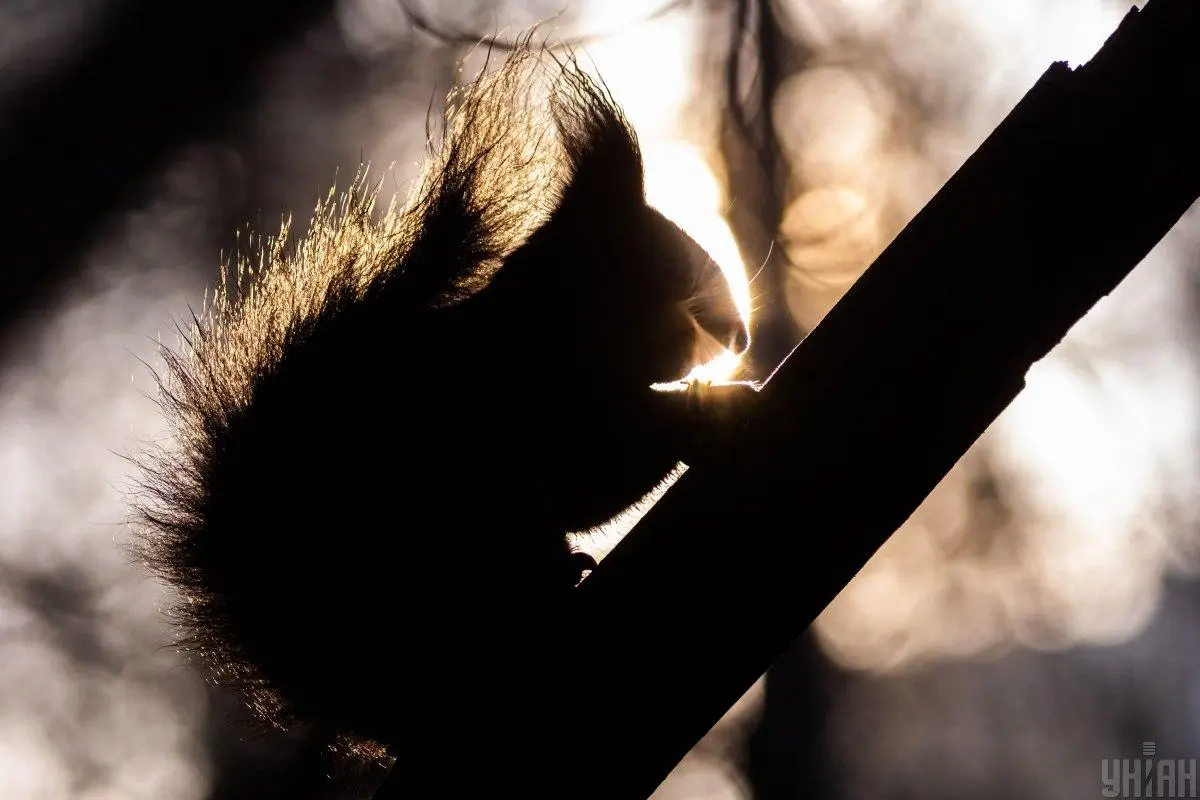
The massive migration of gray titmice that swept through the eastern states of the U.S. in the fall of 1968 was caused by a sharp shortage of food following an unusually bountiful harvest in 1967. Researchers attribute this phenomenon to a disruption in the oak tree’s reproductive cycle, in which an abundance of acorns led to a population explosion among rodents, and the subsequent poor harvest forced millions of animals to leave their usual habitats en masse, according to The Times of India.
Causes of the Mass Migration
Experts estimate that up to 20 million individuals were involved in the events of 1968, crossing mountain ranges, highways, and bodies of water, where many animals perished. Scientists who studied this event note that such phenomena are not migration in the classical sense, but rather forced emigration—a survival strategy in conditions of critical resource scarcity, explains Mental Floss.
“When you have a good year for chestnuts, that’s a huge amount of food, but in a bad year, that source is gone. So you can imagine how the animals moved, especially when there weren’t as many roads and the forests were continuous. It’s a last-resort strategy that appears to be a response to local conditions,” noted John Koprowski, a calibration expert and professor at the University of Arizona.
The Impact of Climatic Factors
Recent research published in the journal *Forest Ecology and Management* confirms that the weather conditions of 1967—particularly record-low summer temperatures—played a key role in creating this “perfect storm.” The trees, exhausted by excessive fruit production, needed time to replenish their resources, which led to a sharp drop in acorn yield the following season.
Experts believe that a recurrence of such large-scale migrations in the future is unlikely due to the fragmentation of forest areas and the overall reduction of the rodents’ natural habitat. Today’s landscapes differ significantly from those that existed in the mid-20th century, limiting the possibilities for such mass movements of wild animals.