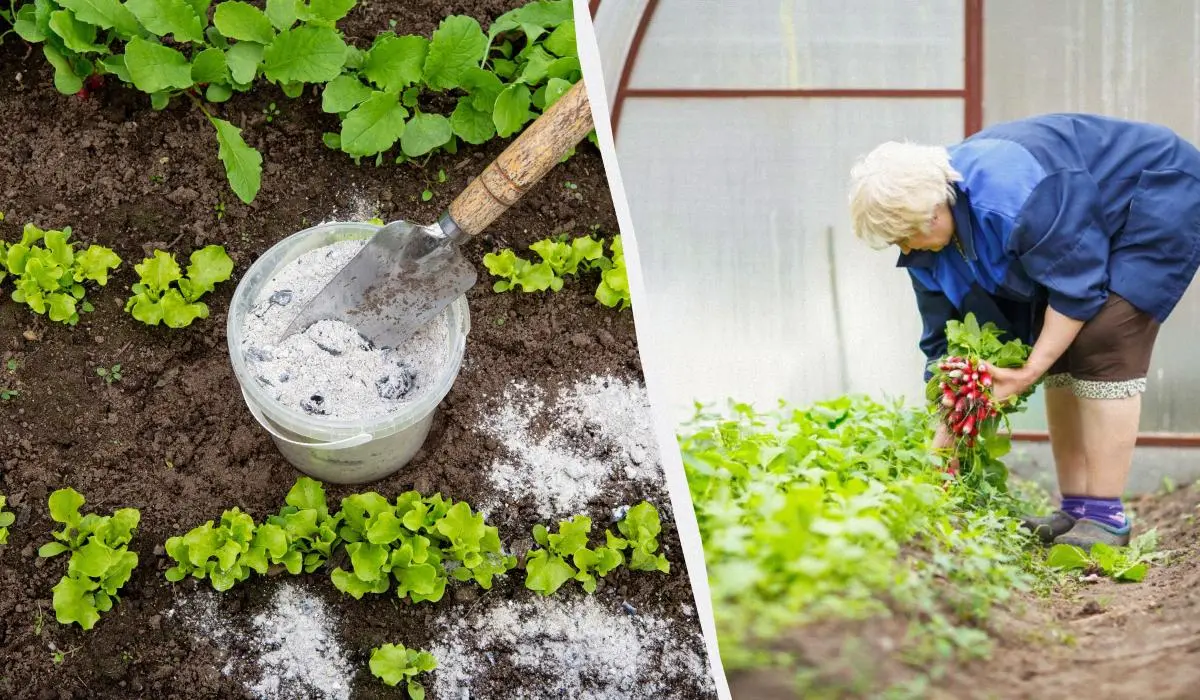
Wood ash should not be scattered freely on the soil. It is much more beneficial to add it to compost in the winter, since in large quantities, ash can inhibit plant growth by interfering with iron absorption. This is reported by Agrofórum.
The publication explains that the energy crisis in Europe has led many to return to wood-burning for heating, resulting in an increase in ash on farms. Only ash from untreated firewood, free of chemicals, is suitable for the garden. It contains calcium, potassium, a small amount of phosphorus and magnesium, and has a strongly alkaline reaction, so it acts similarly to lime. At the same time, most vegetables require slightly acidic or near-neutral soil with a pH of 6.0–7.0.
Compost has a naturally acidic reaction, so ash, thanks to its calcium content, makes a good addition to it. It is recommended to sprinkle a thin layer of ash over the layers while building the compost pile. In addition, ash can be sprinkled on walkways to prevent icy conditions, as it is less harmful to the soil than salt. It can also be used to remove soot from glass and other surfaces. It can help keep algae out of a garden pond, but the dosage here is minimal: one tablespoon per 4,000 liters of water.
Why an Excess Is Harmful
The main danger lies not in a lack of nutrients in the soil, but in the fact that plants stop absorbing them. This is the warning from Rosie Lerner, a former horticulture specialist at Purdue University, whose advice is cited by Purdue Extension.
“Nutrients are most readily available to plants when the soil is slightly acidic. As soil alkalinity increases and the pH rises above 7.0, elements such as phosphorus, iron, boron, manganese, copper, zinc, and potassium become chemically bound to the soil and are less available to plants,” Lerner emphasizes.
According to her, acidic soils are most likely to benefit from ash, while it will not harm slightly acidic soils. If the soil is neutral or alkaline, however, it is better to dispose of the ash in another way. Small doses do not harm most crops; however, “since wood ash raises the soil’s pH, applying large amounts can do more harm than good,” the expert notes. Acid-loving plants, such as potatoes, rhododendrons, and blueberries, should not be given ash at all.
How Much Ash Can Be Applied
Experts at the University of Wisconsin recommend basing your decision on the results of a laboratory soil analysis. The upper limit is about 7–9 kg of ash per 93 square meters per year, which is roughly one 19-liter bucket. The ash should be sifted to remove coal and embers and spread evenly over moist soil in the winter on a windless day. Due to its alkalinity, you should wear gloves, safety goggles, and a respirator when handling ash. Additionally, an excessively high pH can contribute to diseases such as potato scab, according to UW–Madison Extension.