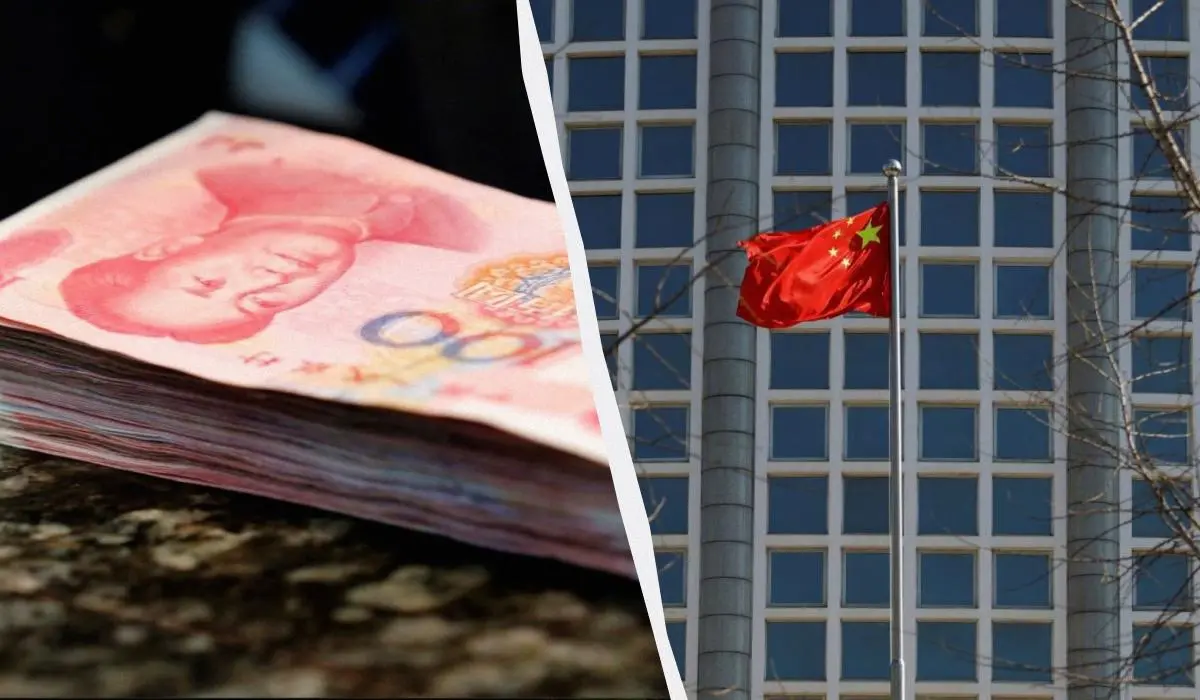
The yuan’s share in payments for Russian exports this year has halved, falling to 22% compared to the peak in mid-2024, even as trade with China continues to grow. These figures were provided by the Central Bank of Russia, according to Știrile ProTV.
The shift began when Chinese banks became wary of U.S. secondary sanctions. In June 2024, Washington significantly expanded the grounds for penalizing financial institutions and companies doing business with Russia. After that, payments were blocked or delayed for months, transfers were returned, and China’s largest banks completely ceased cooperation with their Russian partners.
Without direct settlements in Chinese currency, Russian companies are forced to turn to intermediaries, third countries, and more complicated routes. Many transactions now go through payment agents rather than banks. According to the logistics company STT Logistics, the total cost of cross-border transfers to China, including fees, averages 15–20% of the transaction amount.
Sberbank First Vice President Alexander Vedyakhin acknowledged that Russia and China have officially switched to their national currencies, but payments are still regularly disrupted.
“Regular bank payments have dropped sharply,” notes Alexander Gabuev, director of the Eurasia Center think tank.
From Dominant Currency to Shortage
After Western sanctions were imposed, the yuan quickly became a mainstay of the Russian economy. It accounted for nearly half of Russia’s foreign trade, became the most popular currency on the Moscow market, and surpassed the dollar in terms of bank deposits. At its peak, the yuan ranked fourth in international payments via SWIFT.
The 2024 crisis triggered an acute currency shortage in Russia, and the Bank of Russia urged financial institutions to limit yuan-denominated loans. According to Bloomberg’s calculations, by the end of last year, Moscow had begun to use the yuan less frequently in trade with third countries. The yuan’s global share has returned to pre-war levels, and according to SWIFT data, it has fallen to fifth place, behind the Japanese yen.
“The momentum for expanding the yuan’s internationalization, created by sanctions against Russia, has faded,” notes Martin Horzempa, a senior fellow at the Peterson Institute for International Economics.
According to Russian Finance Minister Anton Siluanov, by the end of last year, more than 99% of bilateral trade with China was settled in rubles and yuan. At the same time, this “yuanization” has created new dependencies for Moscow: periodic shortages of yuan, more expensive borrowing, and Beijing’s advantage in all negotiations, writes DW.