
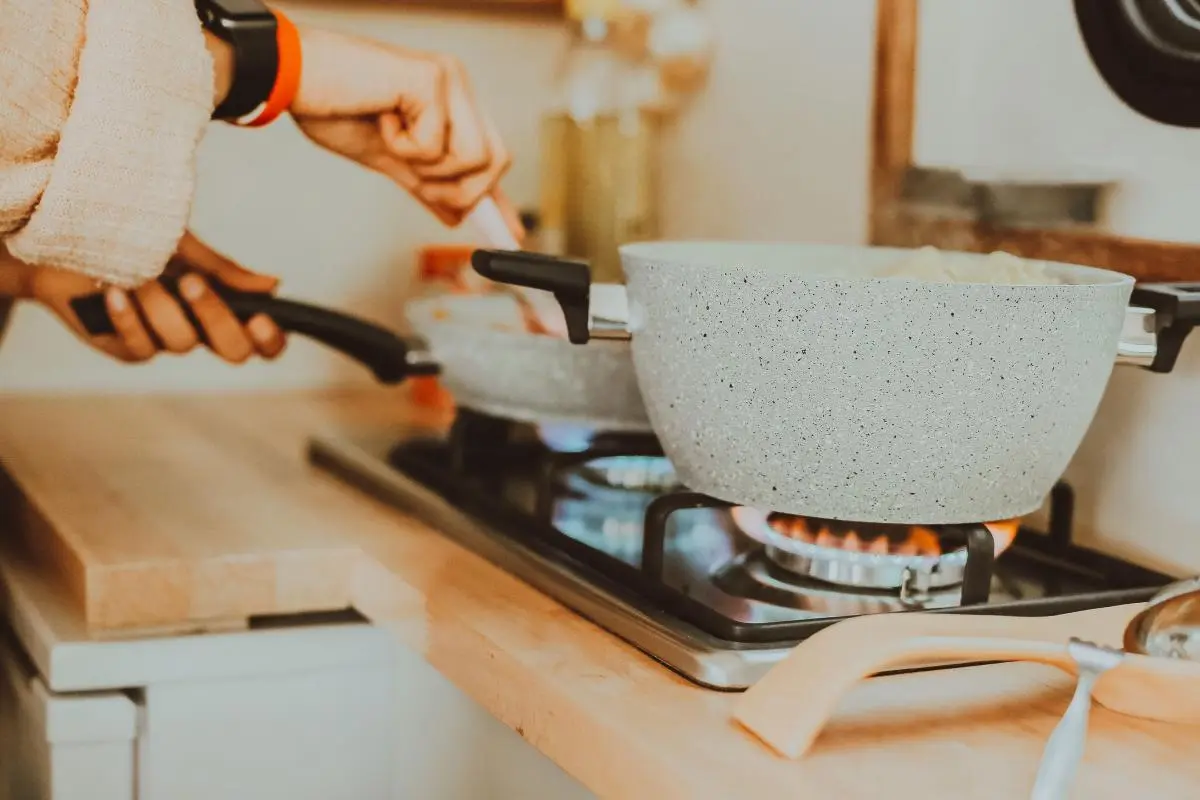
An orange flame on a gas stove may indicate incomplete combustion of the gas, which poses a health risk in an enclosed space. A properly functioning flame should be steady and blue, according to 01portal.hr.
Most often, the color changes due to contamination or clogging of the gas system, or due to a lack of air mixing with the gas. Excessive gas flow or high humidity can also be causes. Incomplete combustion produces carbon monoxide, which is colorless and odorless. Its accumulation can cause poisoning and even death. In addition, the stove cooks less efficiently and consumes more gas.
It is recommended to thoroughly clean the burners at least once a month. Disassemble the stove once it has cooled down, wash the grates and burner caps with warm water and detergent, and let them dry completely before reassembling. Turn off the humidifier while cooking. If the flame remains orange after cleaning, contact an authorized service center.
When Color Really Matters
Natural gas burns with a distinct blue flame, while propane burns almost entirely blue, sometimes with yellow tips. So the shade itself doesn’t necessarily indicate a hazard; what matters is how pronounced it is.
“A yellow flame indicates a specific problem with the combustion process. If your burners are mostly yellow, the combustion indicates a malfunction,” emphasizes Sean Murphy, owner of the home appliance repair company Duncan Home Services, as reported by Martha Stewart.
Experts consider some household impurities in the air to be safe. “Salt—specifically the sodium in it—produces a bright yellow-orange flame,” notes Henrik Stepanian, CEO of Barbeques Galore. On the other hand, grease clogging the burner holes disrupts the gas-to-air ratio, leading to the formation of carbon monoxide and soot.
Murphy also advises checking to make sure the burner caps are properly installed after cleaning: some grills require that each one be in its correct position. To clean the holes, use a stiff, non-metallic brush or a skewer—not a wooden toothpick, whose tip could break off and block the gas flow.
What You Should Not Do Yourself
You should not attempt to adjust regulators, air dampers, or parts for converting to a different type of gas on your own, nor should you move the stove aside to inspect the gas connection. Call a professional if the flame is unstable, breaks away from the burner, hisses or hums, soot appears on cookware, or you smell gas when the stove is turned off.
Stepanian advises treating the smell of gas as an emergency. “Everyone in the house should evacuate and call for professional help from outside,” he warns.