
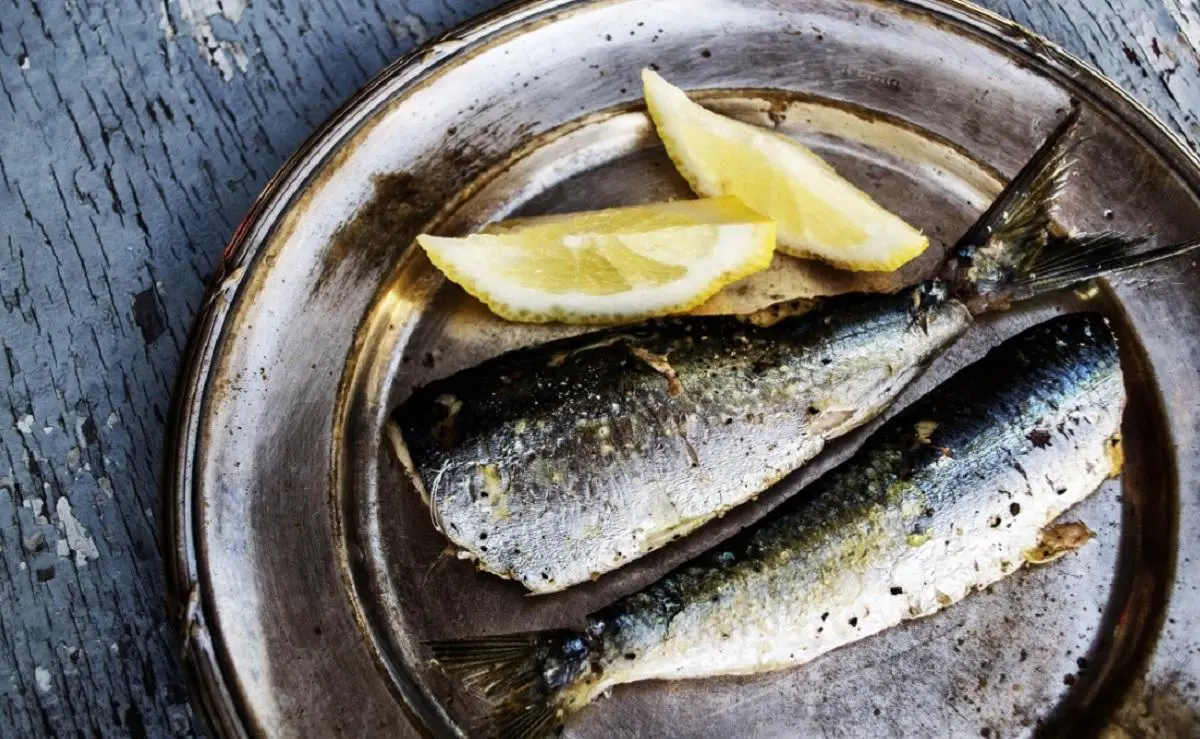
A typical can of sardines contains 24–25 g of protein per 100 g—roughly the same as chicken—as well as omega-3 fatty acids, calcium, and vitamin D. Despite this, the product is still underappreciated and seen as a fallback option for a quick dinner, according to Doctissimo.
According to the publication, the French consume only about two small cans of sardines per person per year, and these canned fish have long been less popular than tuna. Sardine protein is complete: it contains all the essential amino acids. The fats are predominantly polyunsaturated and monounsaturated, including omega-3s in the form of EPA and DHA. These are linked to heart and brain health and the regulation of inflammatory processes.
During canning, the fish bones become brittle, making them easy to eat. One can provides about 400 mg of calcium, which is nearly half the daily requirement. The vitamin D content is 10–15 μg per 100 g, which fully covers the daily requirement. In addition, sardines contain vitamin B12, phosphorus, and selenium.
Canning hardly reduces the nutritional value of the fish, but it’s important to pay attention to the salt content. Experts recommend choosing less salty canned varieties, preferably those packed in olive oil. The French Agency for Food Safety (ANSES) notes that eating fish more than twice a week is not advisable, as this increases exposure to contaminants.
Omega-3 After Canning
Findings regarding the preservation of healthy fats are confirmed by a study of 46 samples of canned fish in brine from the Czech market. The fatty acid composition of the canned fish was found to be very similar to that of fresh fish, and the content of polyunsaturated fatty acids—which are sensitive to oxidation—remained virtually unchanged. To obtain the recommended daily intake of EPA and DHA, an average of 15 g of sardines is sufficient. For striped tuna, 300–700 g would be required, according to an article in a scientific journal.
Mercury, Salt, and the Brain
Another advantage of sardines is their low mercury content. According to the FDA, the average concentration of mercury in sardines is 0.013 parts per million, whereas in canned light tuna it reaches 0.12. The U.S. regulatory agency ranks sardines as one of the best fish choices and considers them safe for pregnant women and children, according to TODAY.
Nutritionist Frances Largeman-Roth highlights the importance of this fish for cognitive function.
“DHA (an omega-3 fatty acid) accounts for 40% of the fatty acids in the brain,” Largeman-Roth emphasizes.
At the same time, salted canned sardines aren’t suitable for everyone. Cleveland Clinic dietitian Julia Zumpano warns of restrictions for certain groups of people.
“This will only be a problem for those who need to limit their sodium intake due to kidney disease, high blood pressure, or a history of stroke,” Zumpano notes.