
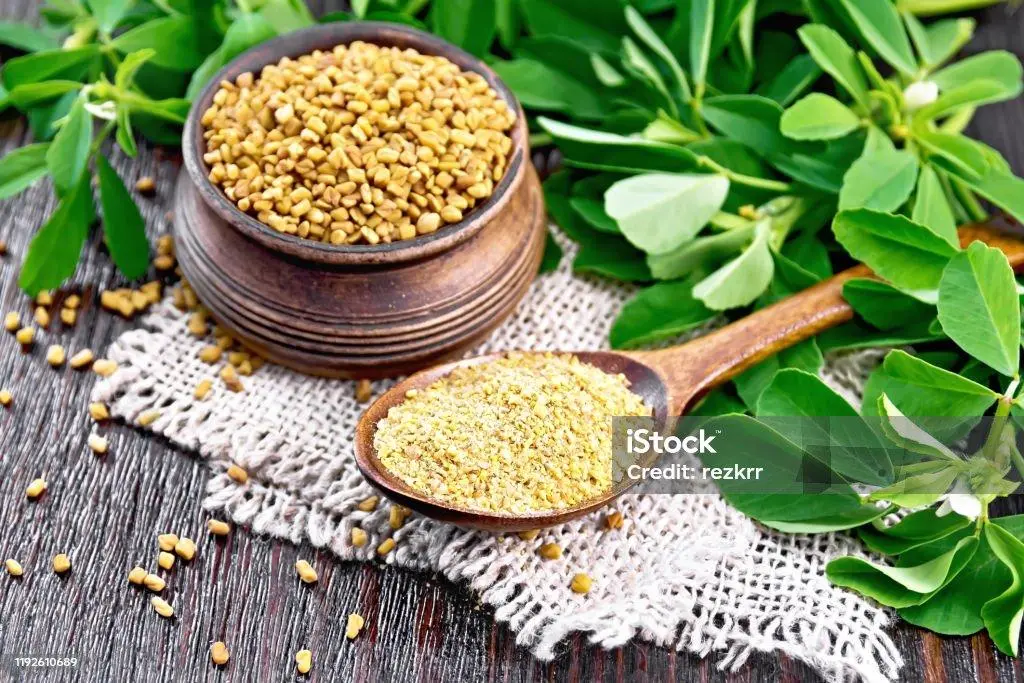
Fenugreek seeds (Trigonella foenum-graecum), which are added to dishes as a spice, may help moderate post-meal spikes in blood glucose levels. The soluble fiber in the seeds forms a gel in the digestive tract, which slows the absorption of sugars and fats. However, fenugreek is not a medicine and cannot replace medical treatment, according to Interia.
Fenugreek is an annual plant in the legume family, native to the Mediterranean and Western Asia. It is cultivated in India, the Middle East, North Africa, and Europe. The hard, yellowish-brown seeds have an intense aroma and a bitter-spicy flavor with hints of maple syrup. The publication, citing the dietetycy.org.pl portal, notes that studies point to the benefits of fenugreek for type 2 diabetes and insulin resistance.
What Clinical Studies Have Shown
The most compelling data comes from a 2024 meta-analysis that included 19 clinical studies involving patients with type 2 diabetes. Fenugreek supplements reduced fasting glucose levels by an average of 20.32 mg/dL, glycated hemoglobin by 0.54%, and “bad” LDL cholesterol by 29.14 mg/dL. Levels of “good” HDL cholesterol increased by 5.68 mg/dL. At the same time, the researchers found no significant effect on weight, triglycerides, or fasting insulin, according to a publication in the journal Heliyon.
The effect is primarily attributed to the high fiber content: its proportion in fenugreek seeds reaches 50–65 g per 100 g. The soluble fraction consists mainly of galactomans, which reduce glucose absorption. Another 25.4 g per 100 g consists of protein, specifically the amino acid 4-hydroxyisoleucine, which may stimulate insulin action, according to a review on the PMC platform.
How to Use It and Who Should Exercise Caution
Nutritionists emphasize that the studies examined dietary supplements, the doses of which may exceed a typical culinary serving of spices. You should not change your treatment on your own. Before use, it is recommended to briefly toast the seeds in a dry skillet to reduce bitterness, and then grind them. Ground fenugreek is added to soups, stews, and dishes made with lentils, beans, and chickpeas, as well as to sauces, marinades, and curries. The seeds can also be soaked, brewed as a beverage, or sprouted.
Larger portions may cause bloating, nausea, or diarrhea, so it’s best to increase the amount gradually. People with allergies to legumes, particularly peanuts, should exercise caution due to the possibility of a cross-reaction. Fenugreek can enhance the effects of blood-sugar-lowering medications and increase the risk of hypoglycemia; therefore, patients with diabetes should consult a doctor before regularly taking supplements. Caution is also advised for pregnant women.