
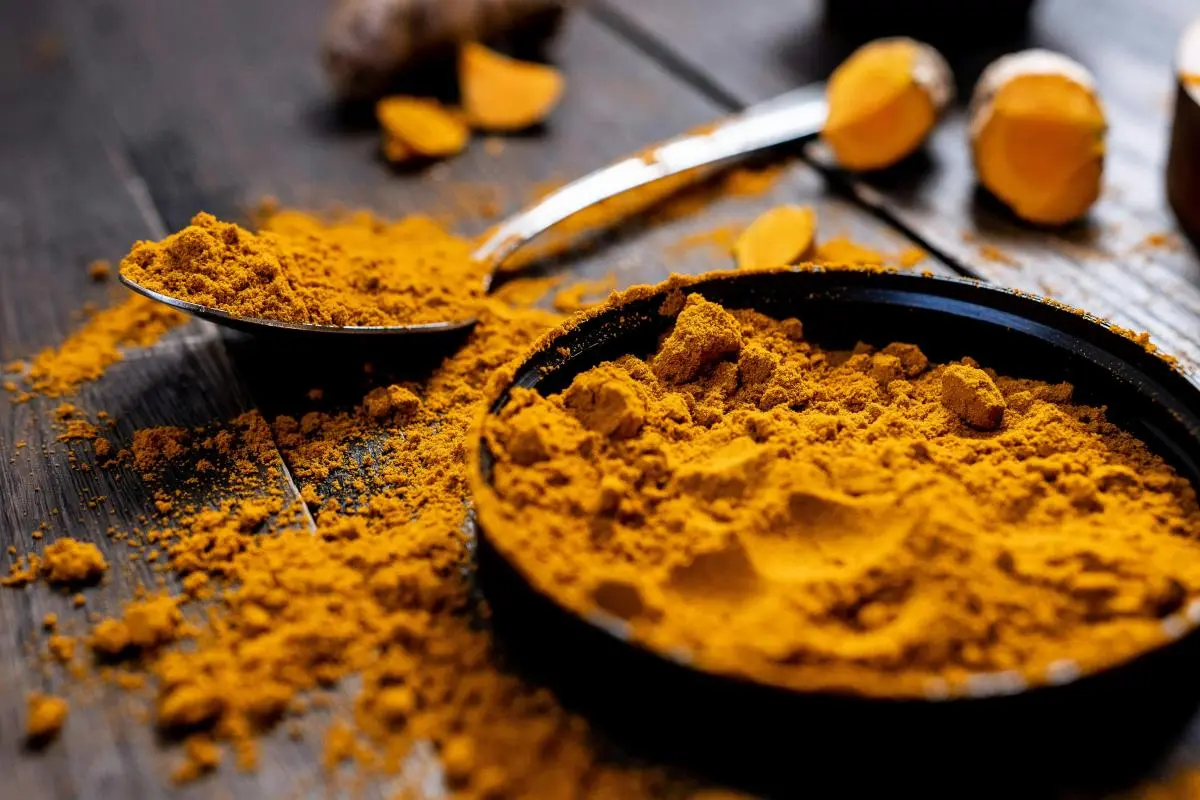
Regular consumption of turmeric may only slightly lower blood pressure: in studies, the effect is measured in millimeters of mercury, and the supplement itself may interact with medications. Data on this spice’s effect on blood pressure remain conflicting: some meta-analyses show a moderate improvement, while others find no effect at all, according to Health.
According to functional medicine physician Aaron Hartman, turmeric does not directly affect blood pressure. It acts as an anti-inflammatory agent, and in functional medicine, it is used to prevent heart and vascular diseases.
“There is compelling scientific evidence supporting its ability to reduce the risk of cardiovascular disease. For example, markers of inflammation, such as CRP (C-reactive protein), are directly linked to cardiovascular risk, and turmeric effectively helps influence these markers,” Hartman emphasizes.
The specific results of the studies are modest. In one study, diastolic blood pressure decreased by 0.76 mmHg; in others, systolic blood pressure decreased by approximately 1.09 mmHg after eight weeks of curcumin supplementation. In women who took turmeric for more than 12 weeks, systolic blood pressure decreased by 1.55 mmHg, and diastolic blood pressure by 1.73 mmHg.
A meta-analysis of 35 randomized controlled trials, selected from over 4,000 studies, yielded slightly higher results. Supplements containing turmeric or curcumin reduced systolic blood pressure by an average of 2.02 mmHg and diastolic blood pressure by 0.82 mmHg, while also improving endothelial function. The authors believe that turmeric can be considered an adjunctive therapy, but further research is needed, according to a publication in the journal Clinical Nutrition ESPEN.
How Curcumin Affects Blood Vessels
Functional medicine expert Elliot Hirschorn considers chronic inflammation to be one of the factors contributing to the development of hypertension. Researchers attribute curcumin’s effects primarily to its ability to relax blood vessels.
“Thickening and loss of elasticity in arterial walls over time due to oxidative stress and inflammation can lead to increased blood pressure. Curcumin has antifibrotic properties that can help prevent this fibrosis and even partially reverse it,” notes Hirschorn.
In his opinion, turmeric may be suitable for people with mild hypertension who are looking for alternative ways to manage their blood pressure. For moderate to severe hypertension, standard medications should be taken, and the use of turmeric should be discussed with a doctor only as a supplement to treatment.
Who Should Avoid These Supplements
The standard dosage for supplements starts at 500–1,000 mg per day, and the FDA considers doses of 4,000–8,000 mg to be safe, says Grant Fowler, chair of the Department of Family Medicine at Texas Christian University. However, he offers an important caveat.
“But it can be dangerous for people taking anticoagulants, those preparing for surgery, pregnant or breastfeeding women, people with gallbladder disease, and patients undergoing chemotherapy,” Fowler warns.
Hartman cites turmeric’s effect on the liver as the greatest risk and also advises considering the possibility of heavy metal contamination in the product. Other possible side effects include bleeding and bruising, excessive drops in blood pressure when combined with antihypertensive medications, low blood sugar, and kidney stones.
Prescription blood pressure medications are significantly more effective and provide more reliable results than turmeric, so you shouldn’t rely on supplements to control your blood pressure. If any effect does occur, it usually takes 8–12 weeks of regular use—and not everyone experiences it, according to Verywell Health.