
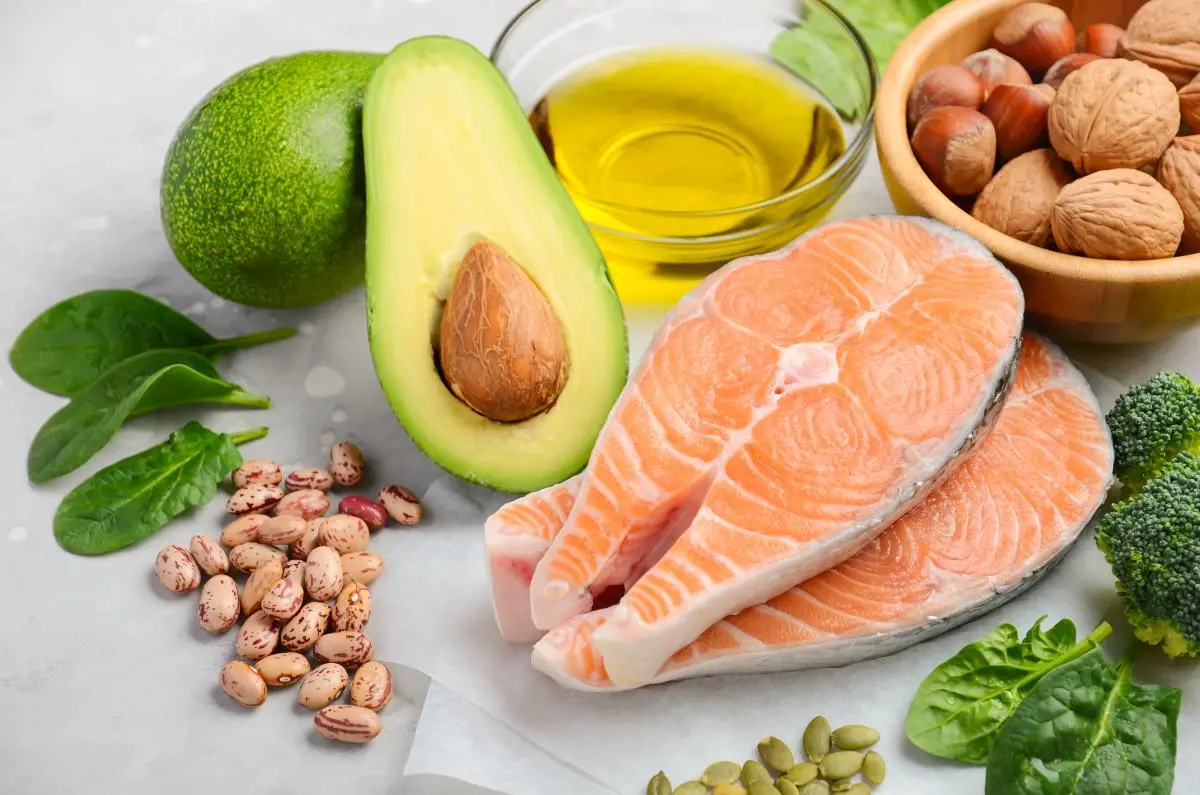
Broccoli, Greek yogurt, dark leafy greens, lentils, nuts, olive oil, pomegranates, and salmon are among the eight foods in the Mediterranean diet that, according to nutritionists, can extend life, reports EatingWell.
Among vegetables, dietitian Janelle Leatherwood singles out broccoli. She recommends eating it raw or lightly steamed, although it’s also beneficial in soup or a casserole.
“This cruciferous vegetable contains sulforaphane—a bioactive compound linked to a lower risk of cancer, diabetes, and heart disease,” notes Leatherwood.
Experts value low-fat Greek yogurt for its protein and probiotics. In one study, people who consumed it frequently were less likely to die from almost any cause. The U.S. Food and Drug Administration (FDA) has also approved a claim that eating yogurt three times a week or more may reduce the risk of type 2 diabetes.
About 42 g of nuts daily, as part of a healthy diet, may reduce the risk of cardiovascular disease. Lentils provide plant-based protein and fiber and help stabilize blood sugar levels, while pomegranates, according to Leatherwood, increase insulin sensitivity. Salmon is one of the best sources of omega-3s: 1,000 mg of these fatty acids per day may slow biological aging in older adults, and 85 g of cooked salmon contains 1,500–1,800 mg.
Nutritionists also single out olive oil as the product most commonly associated with the Mediterranean diet.
“Extra virgin olive oil is like liquid gold for the body. It’s rich in antioxidants and healthy fats that protect the heart, fight inflammation, and nourish every cell,” emphasizes nutritionist Kari Gemrick.
What Large-Scale Studies Show
The benefits of the Mediterranean diet are also confirmed by long-term studies. In a study published in JAMA Network Open, researchers tracked the health of 25,315 women in the U.S. over 25 years. Participants who adhered most strictly to this diet had a 23% lower risk of death from all causes. This is partly explained by reductions in inflammation, insulin resistance, and body mass index, according to PMC data.
Miguel Ángel Martínez González, a professor at the Harvard T.H. Chan School of Public Health who led the Spanish PREDIMED study, points out that it showed a 30% lower risk of cardiovascular disease compared to a low-fat diet, according to The Harvard Gazette.
The researcher is convinced that such a diet is easy to stick to for years. “It’s very tasty. It’s very enjoyable. It’s not a torturous diet,” said Martínez González.