
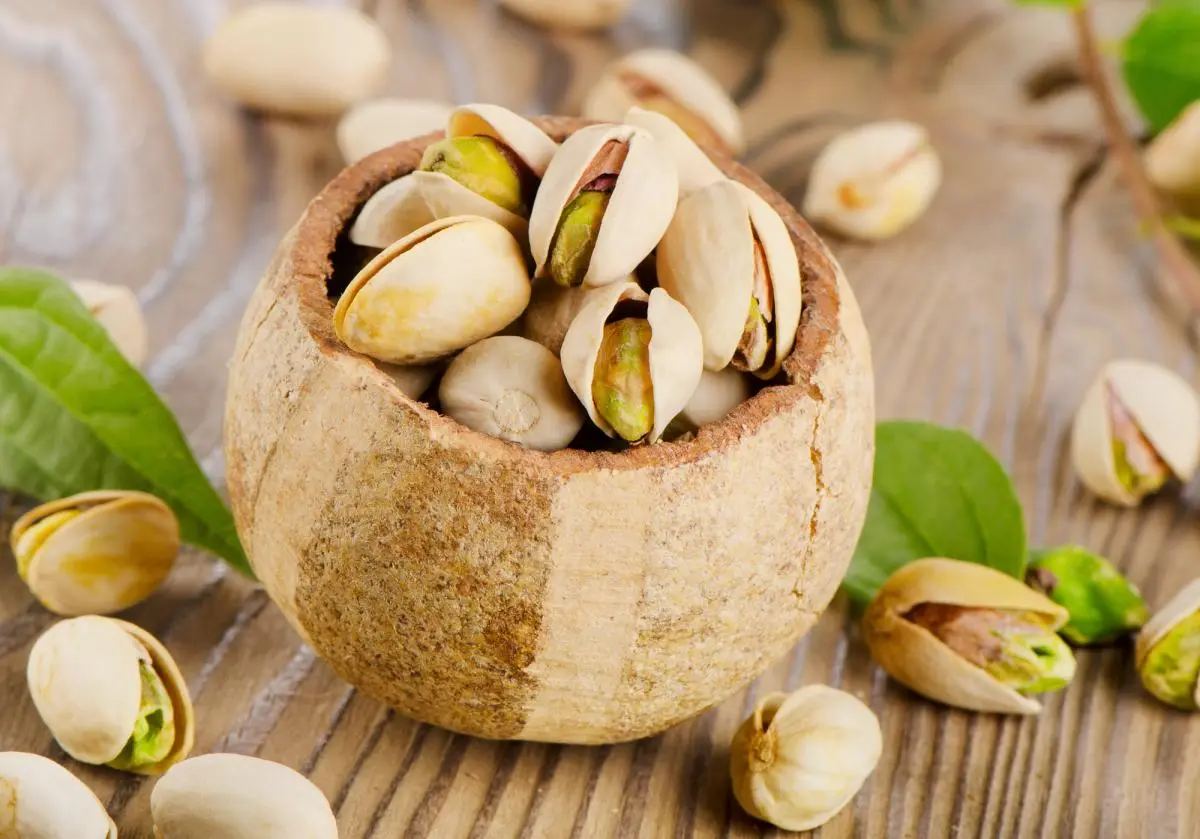
Pistachios can be a healthy alternative to sweets: they support heart health, help control cholesterol levels, and are good for your eyesight thanks to lutein. At the same time, these nuts are very high in calories, so people on a diet should watch their portion sizes, according to Planeta.pl.
100 g of shelled pistachios contain about 559 kcal, 20.2 g of protein, 10.6 g of fiber, and approximately 1,020 mg of potassium. The nuts also provide magnesium, vitamins B6, B1, E, and K, folic acid, and polyphenols, and they are effective at curbing appetite.
The benefits for the cardiovascular system come mainly from unsaturated fatty acids, as well as fiber and plant phytosterols. They contribute to a healthy lipid profile and can positively affect cholesterol and glucose levels. At the same time, fiber supports intestinal function and the gut microbiome.
Nuts for the Retina
Pistachios are the only nut with a significant amount of lutein. Together with zeaxanthin, it is a component of the retinal macular pigment, which protects the eye from light damage. The fats found in pistachios aid in the absorption of lutein, as it is fat-soluble.
This effect was confirmed by a randomized controlled trial conducted by Tufts University. Thirty-six healthy people aged 40 to 70, who typically consumed little lutein in their diet, were divided into two groups. Participants in the first group ate 57 g of roasted, unsalted pistachios daily for 12 weeks, while the second group continued their usual diet. After just six weeks, the optical density of macular pigment in the “pistachio” group had increased significantly and remained elevated until the end of the experiment, while it remained unchanged in the control group. Serum lutein levels showed a similar trend.
The authors consider pistachios an effective dietary strategy for maintaining eye health, but emphasize that the results still need to be verified in other groups of people.
How Much to Eat and Who Should Be Cautious
A reasonable daily serving is considered to be 25–30 g, or a small handful. It contains 140–170 kcal, 5–6 g of protein, and about 3 g of fiber. The best choice for daily consumption is natural, unsalted pistachios. Salted pistachios are high in sodium, while pistachios coated in caramel or chocolate and ready-made pistachio spreads are better classified as desserts due to the added sugar and oils.
People with a pistachio allergy should avoid these nuts entirely, as a reaction can range up to anaphylaxis. Those with chronic kidney disease should consult a doctor about portion sizes due to the high potassium and phosphorus content. If you have high blood pressure, it’s recommended to choose the unsalted variety, and if you have a sensitive stomach, avoid large portions, which can cause bloating.