
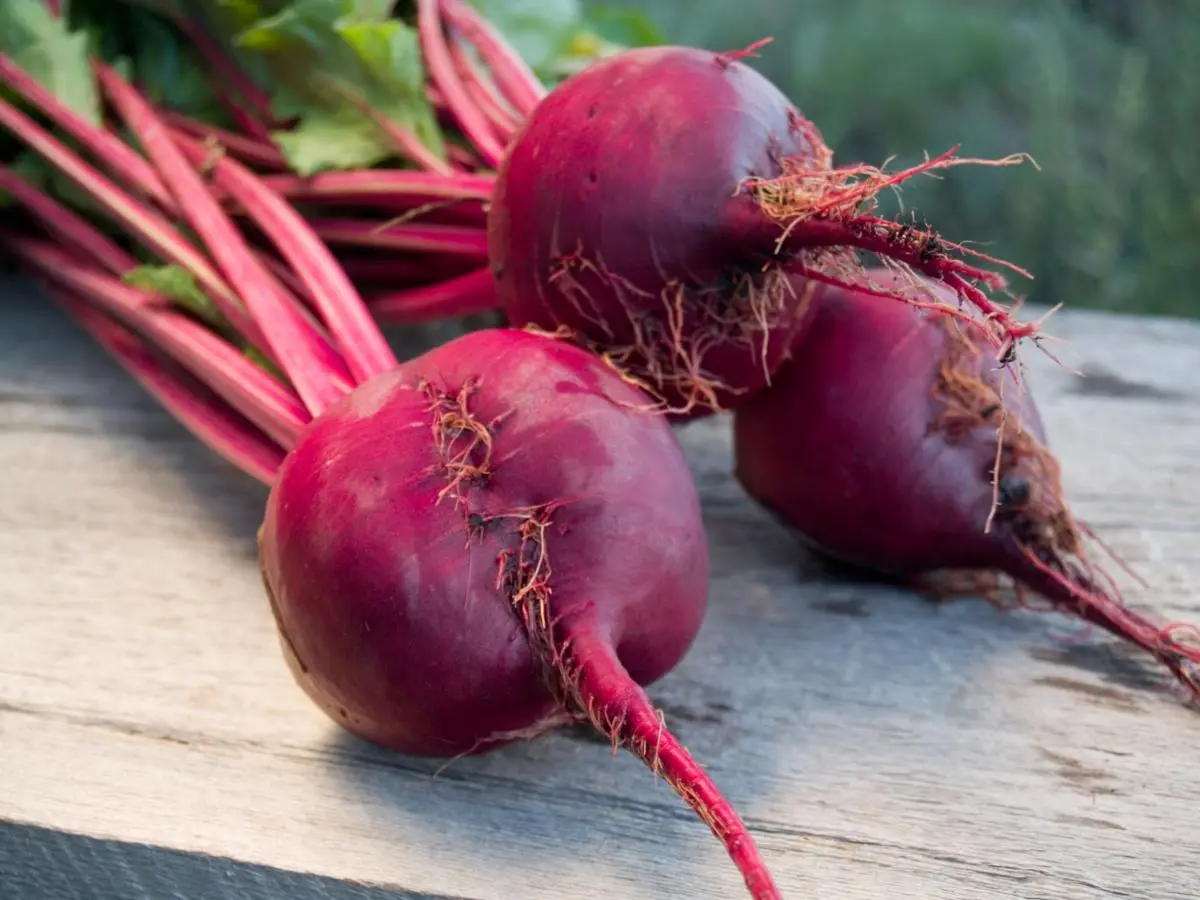
Thanks to its nitrate content, beets improve blood circulation, oxygen delivery to the muscles, and muscle performance, so they can be considered the “Holy Grail” for increasing strength and endurance. This opinion was expressed by sports nutritionist Nacho Compani, according to ABC.
He specializes in nutrition for athletes in hybrid disciplines. On Instagram, he explained how this root vegetable benefits those who practice CrossFit, Hyrox, and other high-intensity sports. The secret, he says, lies in the vegetable’s chemical composition.
“Thanks to its nitrate content, which the body converts into nitric oxide, blood vessels dilate much more effectively, providing a clear advantage: improved blood circulation, oxygen delivery, and muscle efficiency,” notes Compani.
In practice, this mechanism means less fatigue and better results. “This will significantly reduce our energy expenditure during exercise, especially when we’re under stress and feeling tired,” the nutritionist emphasizes.
The expert also highlights the connection between muscle mass and the body’s oxygen需求. “The greater the muscle mass, the more oxygen is needed to achieve good results, and this is where beets play a key role and help us,” Kompani is convinced.
How Much Beet Does an Athlete Need?
The effective dose depends on body weight. The specialist recommends between 200 and 500 grams of cooked beets per day. “For a male athlete weighing about 70 kg, approximately 300 grams would be ideal; for a female athlete weighing 60 kg, about 200 grams would be suitable,” advises the nutritionist.
At the same time, Kompani doesn’t insist on precision down to the gram. “It works through accumulation. It’s no big deal if we deviate slightly one day, because our goal is to maintain a consistent level,” the expert notes.
He himself most often consumes beets in the form of a pre-workout smoothie. The nutritionist adds fruit to it as a source of glucose and fructose for intense workouts, and replaces water with coconut water to get potassium and electrolytes. “If we add fruits like watermelon, which contains citrulline, we’ll further boost nitric oxide production in a different way,” adds Kompani.
What the Research Says
The benefits of beets for athletes are backed by scientific evidence. As early as 2009, a team led by Professor Andrew Jones of the University of Exeter found that daily consumption of 0.5 liters of beet juice for three days increases time to exhaustion during high-intensity exercise by 16%. In 2013, researchers determined that the optimal dose is two concentrated “shots” of 70 ml each, and the peak effect occurs after 2–3 hours, according to the University of Exeter.
The International Olympic Committee has recognized nitrates as one of four safe, legal, and effective supplements for athletes. This list also includes caffeine, creatine, and bicarbonate.