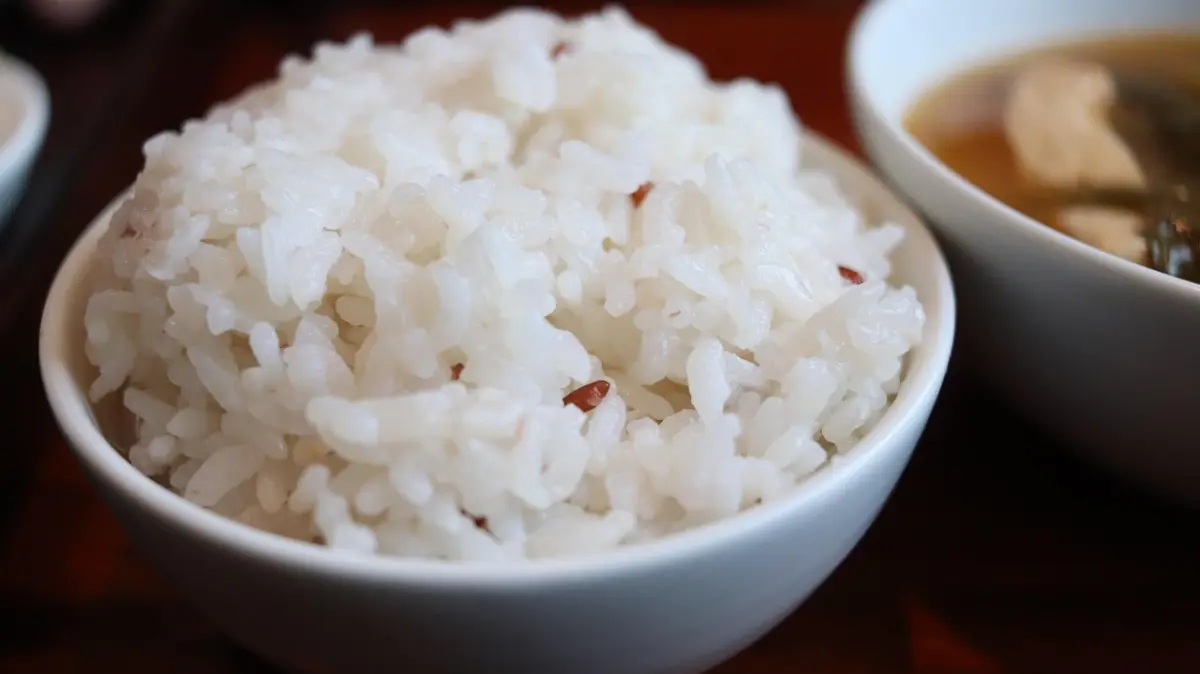
To ensure that cooked rice turns out fluffy, Japanese homemakers sauté it in oil before cooking, and then cook it covered without stirring. According to the author, this method works best for long-grain varieties like basmati and jasmine, and the key is using the right amount of water, reports the Hungarian publication Kertvar.
For two servings, you’ll need 160 g of rice, a tablespoon of oil, half a teaspoon of salt, and water. Rinse the rice, let it drain, and pour it into a deep skillet that’s been well-heated with oil. Fry it for about a minute, stirring constantly. Then pour in hot water at a ratio of 1.5 cups of water to 1 cup of rice, add salt, cover with a lid, and cook for 15 minutes over low heat.
Do not stir the rice or lift the lid while it’s cooking. After a quarter of an hour, fluff the rice with a two-pronged meat fork. If there is too much water, the publication recommends placing a slice of white bread on top and letting the rice simmer a little longer over low heat: the bread will absorb the excess liquid.
Is it really necessary to rinse the rice?
Science questions the need for rinsing, which is the first step in the recipe. Researchers tested glutinous, medium-grain, and jasmine rice and found no statistically significant effect of rinsing on the firmness or stickiness of the finished dish. At the same time, a dependence on variety was noted regarding stickiness, particularly in medium-grain and jasmine rice. The authors also note that rinsing washes away B vitamins, iron, and zinc. However, rinsing for 5–10 minutes removes 60–80% of the fats from the surface of the grains, so the rice is less likely to develop an off-flavor, according to an article on ScienceDirect.
Practicing chefs disagree with this conclusion. They believe that water washes away dust, impurities, and excess starch from the surface of the grains, without which the rice may stick together. Matt Slem, a culinary researcher at Lundberg Family Farms, advises making no exceptions for any variety. “Opinions on this vary, but I recommend rinsing any rice before cooking,” Slem emphasizes, as reported by Martha Stewart.
He suggests rinsing white rice in a colander under cold water for one to two minutes, until the water runs almost clear. Cookbook author Nik Sharma warns against rubbing the grains with your fingers. “If you constantly rub the rice grains, friction builds up between them, and the water that drains off will remain cloudy,” she notes.