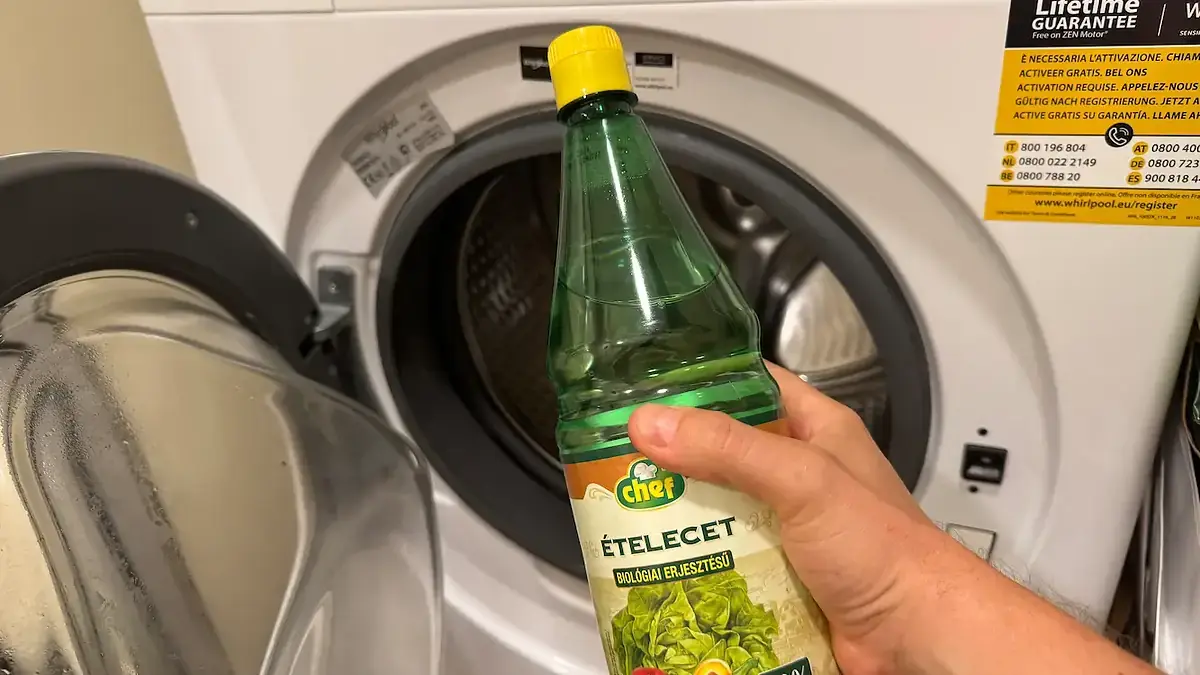
Vinegar, which many homemakers use as a natural alternative to household cleaning products, can permanently damage marble, hardwood floors, knives, and electronic device screens. Experts have compiled a list of seven items that should not be cleaned with vinegar solution, as the acid destroys the protective layer of these materials, according to Kertvár.
Marble and other types of stone are on the list of prohibited items. Instead of vinegar, special cleaners with lower acidity or a baking soda solution are recommended for these surfaces. You should not clean wooden floors or parquet with vinegar—there are specific care products for these surfaces—nor should you use it on waxed furniture, as the acid strips away the wax.
Vinegar dulls knives, so it’s better to wash them with regular dish soap or in the dishwasher on a high-temperature cycle. Cast-iron skillets and pots are also on the list.
Separately, experts warn against using the old method of cleaning windows with vinegar and newspaper on TV screens and other electronics, as this can damage their coatings. Such surfaces should be wiped with a dry cloth or an alcohol-free glass cleaner, which should be applied to the cloth, not directly to the screen. You can use vinegar to remove odors from a washing machine, but only when diluted with water; otherwise, it may damage internal parts.
Stone, Rubber, and Grout
In fact, there are more surfaces that are vulnerable to vinegar, according to cleaning expert Becky Rapinchuk, owner of the website Clean Mama, as quoted by The Spruce.
“Just like marble, any natural stone—such as granite, slate, or quartz—can be damaged if cleaned with vinegar,” Rapinchuk emphasizes.
The acid leaves etching marks on the sink’s surface that can’t be polished out, so it’s best to use a mild, pH-neutral cleaner for stone floors and shower stalls. On cast-iron cookware, vinegar removes the layer of seasoned oil that protects the metal from rust and prevents food from sticking.
Vinegar is also unsuitable for unsealed grout between tiles, which begins to crumble when exposed to acid. Rubber seals and hoses in coffee makers, dishwashers, and washing machines also cannot withstand it: regular use of undiluted vinegar causes the rubber to dry out and crack.
The most serious warning concerns chlorine bleach: when mixed with vinegar, it produces a toxic gas—chlorine. Therefore, you must not even rinse a surface that has previously been treated with chlorine bleach using a vinegar solution. Vinegar is also ineffective against a broken egg on the floor or carpet, since the acid causes the egg white to coagulate, making the stain even harder to remove.