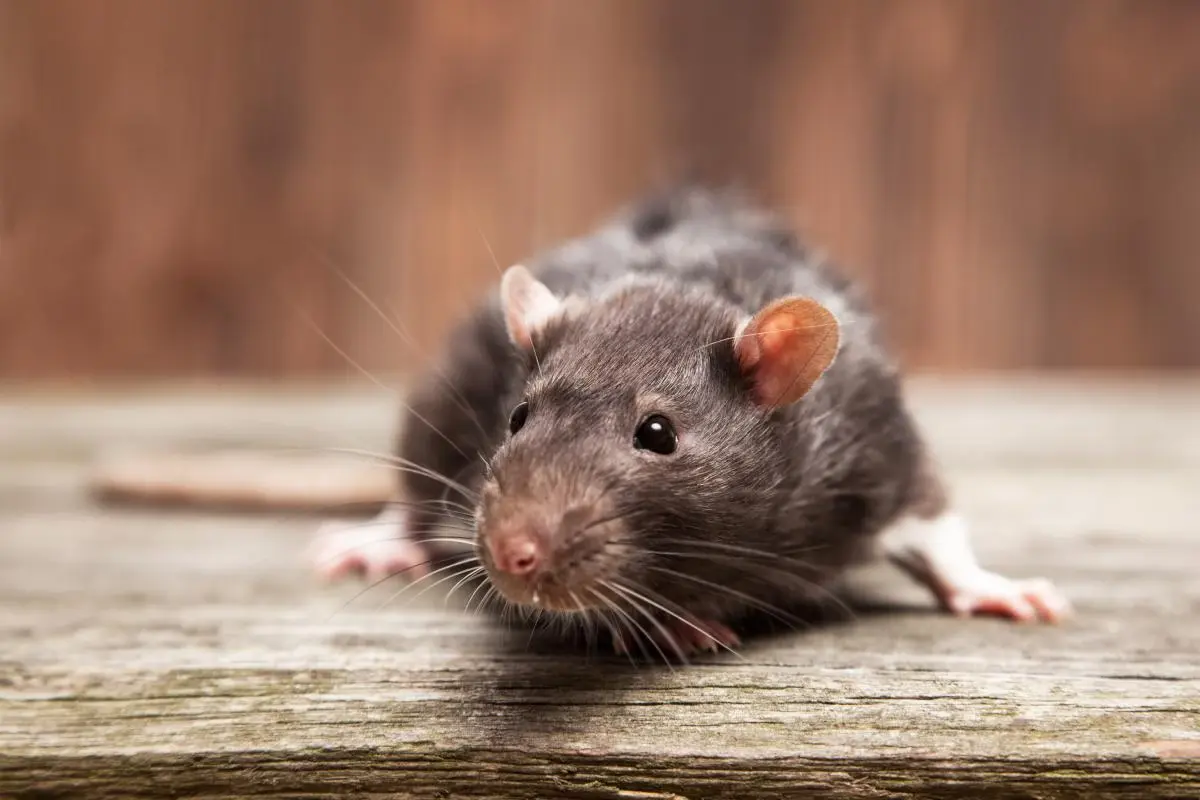
As the cold weather sets in, mice move into people’s homes in search of warmth, food, and cozy places to nest. Even without entering living spaces, rodents settle in garages, attics, and inside walls. There, they damage insulation and drywall, gnaw through electrical wiring, contaminate food, and spread diseases as well as ticks, fleas, and other parasites, according to Southern Living.
A mouse can squeeze through a gap about 6 mm wide—roughly the diameter of a pencil. Rodents sense the warm air escaping from the house with their whiskers. Most often, they enter through cracks in the foundation, siding, and chimneys; gaps under doors; warped window frames; and openings for pipes, cables, and ventilation. It is recommended to seal these areas with steel wool or metal mesh and then caulk them.
Another risk is associated with items from the storage room. Mice use boxes containing clothes or holiday decorations as hiding places and nesting material, so rodents can accidentally be brought into the house along with them. It’s best to store items in sturdy plastic containers with tight-fitting lids.
Not Hibernation, but Migration
The fall influx of rodents has a seasonal explanation. Ed Dolshun, technical director at Catchmaster, attributes it to the weather, according to Good Housekeeping.
“Mice don’t hibernate. They move indoors. When temperatures drop and food outside disappears, they move indoors in search of warmth, food, water, and shelter. Your home has all four,” notes Dolshun.
According to him, this doesn’t mean there are more rodents this year than usual: this situation repeats itself every fall. Mice eat 15–20 times a day, so crumbs, pet food, or birdseed are enough to sustain them. That’s why you should look for the source of the problem not only in the kitchen but also in the garage. Signs of rodents include dark droppings 3–6 mm long, gnawed packaging, and greasy trails along the walls. The expert advises acting quickly, because “a small problem quickly becomes a big one.”
Food is a stronger attractant
Scientists also confirm the role of food. During an experiment in Montana, deer mice—the primary carriers of the hantavirus—entered mock-up buildings regardless of whether there was anything inside. However, in structures containing food, their activity was approximately three times higher than in empty structures or those containing nesting material. The researchers did not find any seasonal differences, although they noted that their buildings were not heated, according to a publication on PubMed Central.