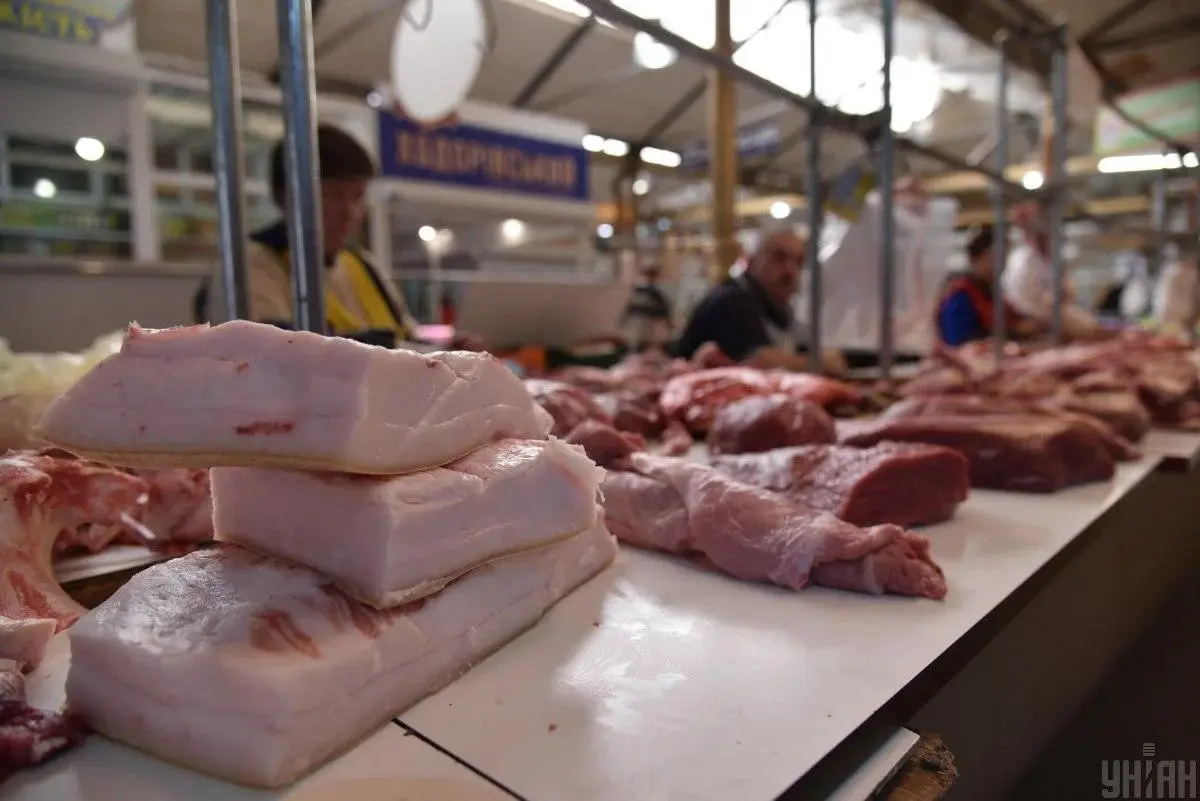
The reason why pork skin becomes tough and rubbery after being cooked at home—rather than crispy, as it is when prepared by professional butchers—is due to incorrect temperature settings and excessive moisture. Most amateur cooks make the mistake of setting the oven to a high temperature right away, which causes the outer layer to harden faster than the moisture inside can evaporate and the connective tissue can soften, according to Kerteszkedj.
The Secret to a Perfect Crust
To achieve the desired result, experts recommend first drying the surface of the skin. One effective method is to scald it with boiling water, which instantly “tightens” the skin and begins the process of rendering the fat even before baking. After that, it’s important to leave the meat uncovered in the refrigerator overnight, as the dry air in the fridge removes any remaining moisture—which is critical for achieving a crispy texture, notes Tasting Table.
Professional chefs emphasize that the secret lies not only in preparation but also in controlling the cooking process. It’s important to choose high-quality ingredients and pay attention to every step—from trimming excess fat to proper marinating.
“Good crispy pork skin has a puffed-up layer that’s crispy, not hard. Crispiness is different from hardness. If it’s cooked until hard, it will look dry. Our crispy pork skin is puffy and crackles, while the meat is tender and juicy, with a rich flavor thanks to the marinade. The freshness of the pork is key, because if it’s not fresh, it will have an unpleasant odor. “That’s why we use only fresh ingredients, which we receive daily,” notes Verapat “Pong” Kornchai-jiraed, owner of Guay Jab Mr. Jo, according to the MICHELIN Guide.
Traditions and Modern Approaches
In addition to baking, deep-frying remains a popular method, which requires special attention to safety and oil temperature. In the southern regions of the U.S., the traditional preparation of cracklings has become a true art form, where the use of cast-iron cookware and proper rendering of fat allow for a product that retains its authenticity and flavor for a long time, according to the Herald Guide.