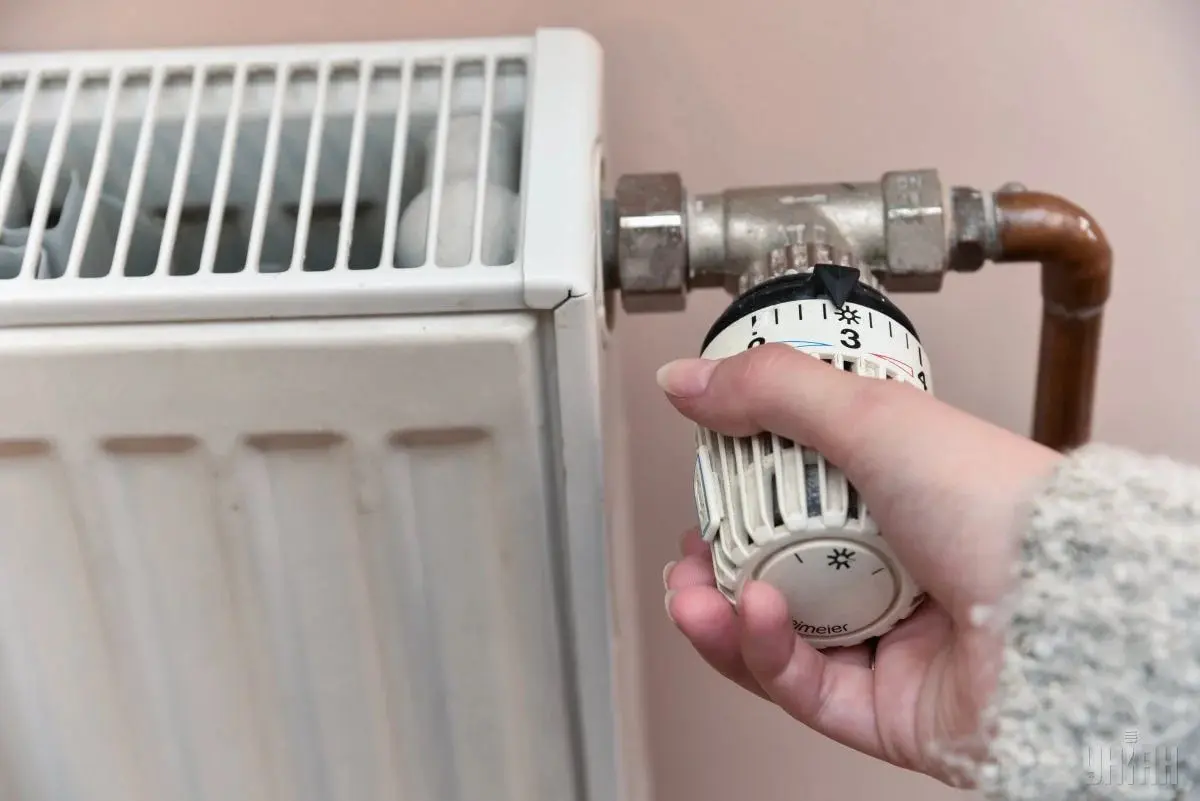
Reducing heating costs during the cold season can be achieved through simple household hacks that help retain heat indoors without additional expenses. One effective method is installing heat-reflective panels behind radiators. These can be made at home using readily available materials, such as old insulated cooler bags or picnic blankets with a thermal insulation layer, reports Story.pl.
Why Some Heat Escapes Through the Wall Behind a Radiator
In many apartments, radiators are installed beneath windows along exterior walls. This arrangement helps counteract the cold coming from the glass and distribute heat more evenly throughout the room. However, some thermal energy can be transferred to the wall, particularly if it is poorly insulated.
In such cases, special panels with a heat-reflective layer may help. They are installed behind radiators to reduce heat transfer to the wall and direct more warmth back into the room.
This solution may be particularly useful in rooms with poorly insulated exterior walls. However, the effectiveness of a radiator reflector depends on the building's construction, the heating system's characteristics, and proper installation.
What Can Be Used Instead of a Special Radiator Reflector?
An alternative to a ready-made panel is foil-backed insulation material left over from an old cooler bag or picnic blanket. These items often have a silver-colored inner layer designed to reduce heat transfer.
In cooler bags, this material helps keep food and drinks at their intended temperature for longer. In picnic blankets, the insulating backing reduces contact with the cold ground.
If an item is no longer suitable for its original purpose, it may be worth considering whether it can be reused. In particular, an undamaged section of foil-backed material can sometimes be repurposed to make a homemade reflector for installation behind a radiator.
However, it is important to remember that not every cooler bag or blanket is suitable for this purpose. The material must be able to withstand the temperatures near the radiator, and its installation must not obstruct air circulation or create a fire hazard. Before using it, check the material's properties and the radiator manufacturer's recommendations.
Heating efficiency depends not only on radiator reflectors but also on taking a comprehensive approach to maintaining a comfortable indoor climate. It is important to avoid overheating rooms, ventilate properly, and keep radiators clean, as accumulated dust can interfere with the free circulation of air.
In addition to adjusting indoor temperatures, it is important to take care of houseplants during winter, as heating systems can create conditions that require special attention. Central heating significantly reduces indoor humidity, which can negatively affect the condition of plant leaves. Experts recommend keeping pots away from heat sources and avoiding drafts, reports the Royal Horticultural Society (RHS).
To keep plants healthy during winter, experts recommend grouping them together to increase local humidity or placing pots on trays filled with damp pebbles. It is also important to adjust watering routines, as plants generally require significantly less water when temperatures are low and natural light is limited.
“My favourite winter houseplant is the Schlumbergera, as I love the combination of succulent foliage and abundant flowers. They are also easy to propagate from leaf segments in spring,” said James Lawrence, RHS Chief Horticultural Adviser.