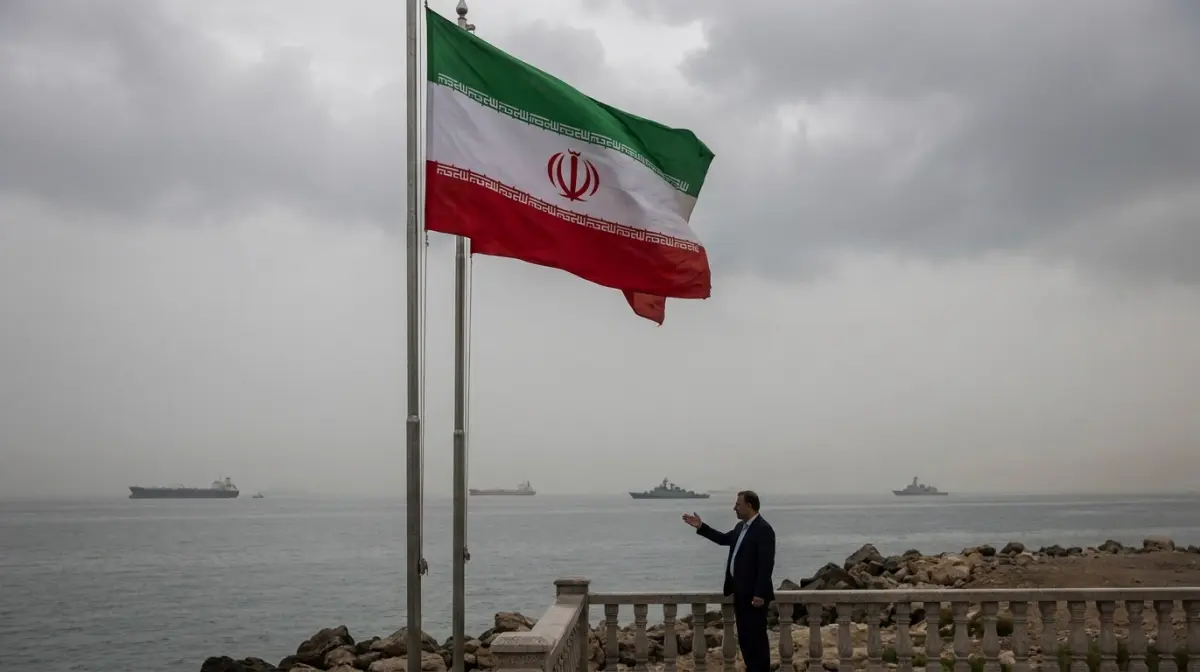
The Gulf States are drafting a multilateral peace agreement to prevent the resumption of war between the U.S. and Iran. The plan calls for the opening of the Strait of Hormuz within four days of the lifting of sanctions against Tehran, as well as the withdrawal of significant forces of Yemeni Houthi rebels, Digi24 reports, citing The Guardian.
Washington is monitoring the progress of the negotiations but is demanding additional concessions from Iran. According to European estimates, this involves the return of UN weapons inspectors to the country. British Foreign Secretary Ed Miliband urged his Iranian counterpart, Abbas Araghchi, to do so during a meeting in New York, but Tehran refused and is only willing to engage in principled negotiations regarding its nuclear program.
Iran, meanwhile, is focused on guarantees that sanctions will be lifted. Ali Bagheri, Deputy Secretary of the Supreme National Security Council, stated that Tehran is prepared to reduce the time between the lifting of economic restrictions and the opening of the Strait from seven to four days.
Yemen and the New Regional Order
Tehran has also begun to acknowledge its mediating role in the Yemeni conflict. On Tuesday, Mohsen Rezaei, Secretary of the Supreme National Security Council, met with Ibrahim al-Dulaimi, the Houthi ambassador to Iran. This took place a day after a delegation from Saudi Arabia, Turkey, and Pakistan visited Tehran. The Houthis, for their part, are demanding that Riyadh lift the naval and air blockade of the territories under their control.
Iran’s strategic goal is broader: a new non-aggression pact with its neighbors in the Persian Gulf and a reduction—or even a complete end—to the U.S. presence in the Middle East. One of the proponents of such an inclusive security architecture is Oman’s Minister of Foreign Affairs, Badr Al-Busaidi.
“I believe that if Iran fully embraces the idea once again—that all eight of us should live in peace with the rest of the world—the economic potential will be enormous for all of us in the region, as well as for those outside it who decide to participate in this development,” Albusaydi emphasized. According to him, a general consensus on this direction emerged during the U.S.-Iran talks.
Why the Strait Became the Key Asset
The war began on February 28 with massive strikes by the U.S. and Israel against Iran, after which Tehran effectively closed the Strait of Hormuz. The memorandum signed on June 17 provided for its temporary reopening and the lifting of the U.S. blockade, but on July 10, Donald Trump announced the end of the ceasefire, and the blockade was reinstated. In early September, the parties resumed limited shelling, according to War on the Rocks.
Dania Tafer, executive director of the Gulf International Forum, notes that Tehran views the strait as a key lever of pressure on the U.S. and the international community and as a means of deterrence. At the same time, she says, no agreement will work without Washington’s consent, and Iran will not make significant concessions as long as the U.S. blockade of its oil continues.
“They have realized that the ability to disrupt traffic through the Strait of Hormuz is, to a certain extent, more dangerous than possessing nuclear weapons,” Tafer said in an interview with NPR.