
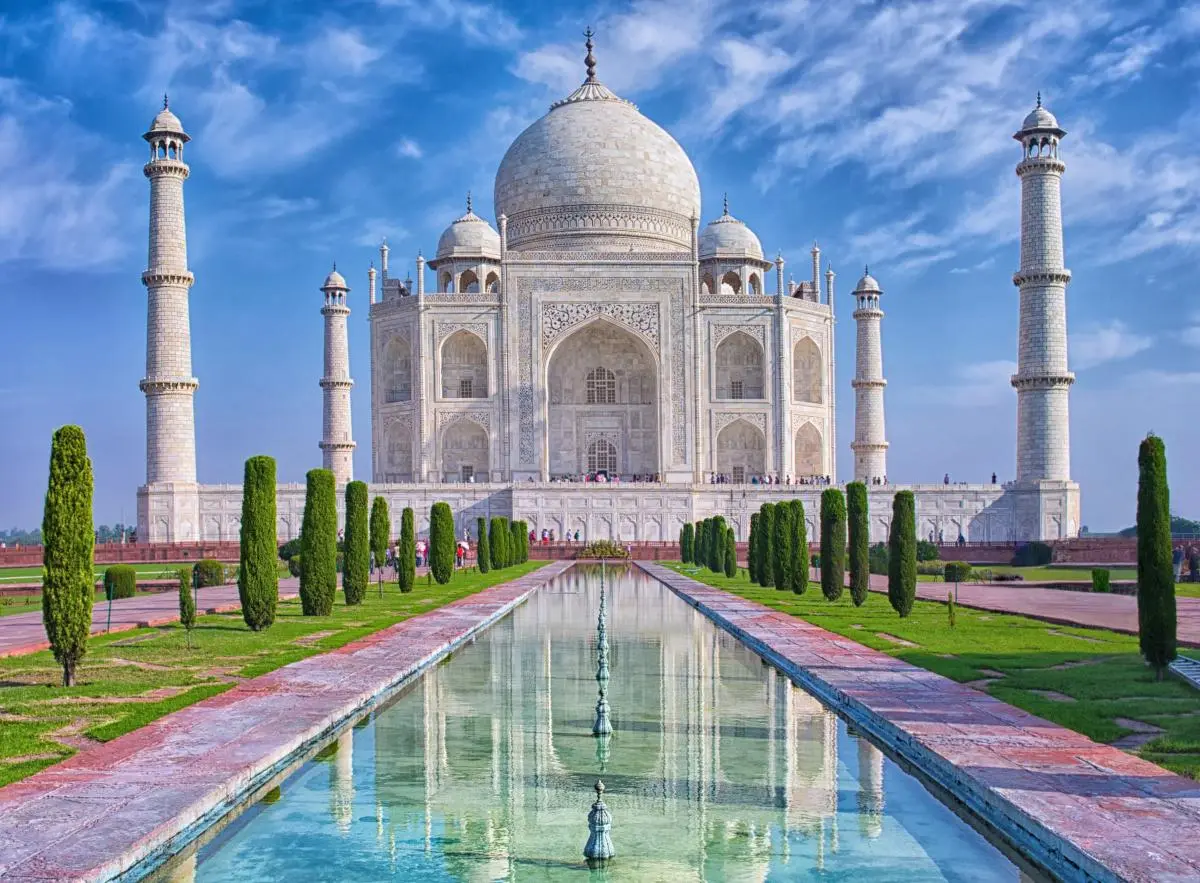
Tourists who take photos in geisha districts in Japan or in Amsterdam’s red-light district face fines and, in some cases, confiscation of their equipment. These places are among the eight famous locations around the world where photography and video recording are prohibited. Among them are the Taj Mahal, the Sistine Chapel, the Anne Frank House, Uluru-Kata Tjuta National Park, the Prado Museum, and Buckingham Palace, according to Fodor’s.
The reasons for the bans vary. Temples, mosques, and churches are considered sacred; some landmarks preserve historical art and architecture; and some cities are trying to combat overtourism. The responsibility for following the rules lies with the travelers themselves: they must pay attention to signs and announcements.
Fines for Geisha and Shop Windows
In Japan, tourists are prohibited from photographing geishas without their consent, and in historic districts, photographing geishas is completely prohibited. Violators are fined. In 2024, tourists were barred from private streets in Kyoto’s Gion district. Visitors were chasing geishas, touching their kimonos without permission, and harassing them on the street.
In Amsterdam, photographing women in the windows of the Red Light District is strictly prohibited. Violators may be fined, and their cameras may be confiscated. This is how the city protects women’s privacy. In addition, group tours are prohibited in the district.
Shrines, Museums, and the Royal Residence
At the Taj Mahal, you can take photos of the mausoleum’s exterior without restriction, but photography is prohibited in the chamber containing the tombs of Shah Jahan and his wife Mumtaz Mahal. Security strictly enforces this rule.
The Sistine Chapel, with its frescoes by Michelangelo, is visited by about 25,000 people every day. Visitors are required to remain silent; cell phones must be turned off or set to silent mode, and the Vatican’s website specifically outlines how to deal with violators.
“Photography and video recording with any electronic device are prohibited in the Sistine Chapel. Security personnel are authorized to demand the immediate deletion, in their presence, of any video or photographic material created in violation of this rule,” the chapel’s website states.
The Anne Frank House in Amsterdam prohibits photography to preserve the original exhibits and avoid disturbing other visitors. The ban also applies to smart glasses and glasses equipped with cameras or artificial intelligence.
There is no general ban at Uluru-Kata Tjuta National Park in Australia. However, some sites are sacred to the Anangu Indigenous people, and photography is not permitted there. These areas are marked on maps and with signs. Photographing the Anangu people themselves without permission is also prohibited.
The Prado Museum in Madrid, which houses over 7,000 paintings, prohibits photography in the galleries to prevent overcrowding. At Buckingham Palace, photography is prohibited inside the building and during the garden tour. Visitors are also asked not to answer phone calls.