
In 2027, travelers will seek out places that feel like another world, return to childhood pastimes, and pay for genuine human interaction. BBC Travel has identified these seven key trends for next year based on reports from Booking.com, Expedia, Hilton, and other companies, according to the BBC.
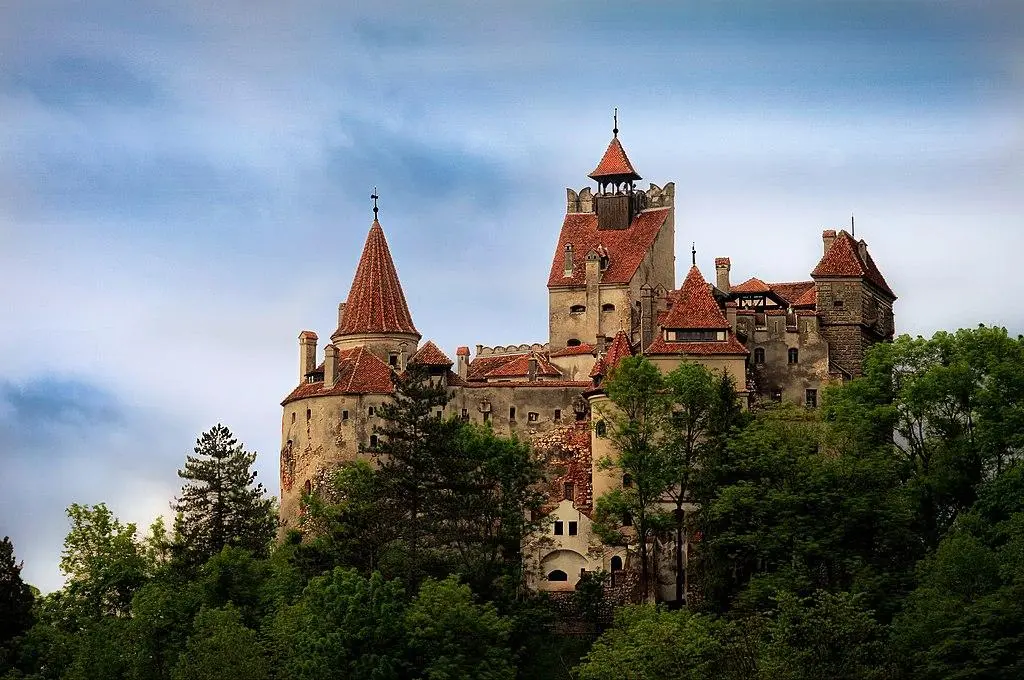
The first trend is “fantasy over reality.” Travelers will choose destinations for stargazing, ancient ruins, and landscapes shrouded in myth. According to Pinterest, the number of search queries for “Scotland Highland aesthetic” has increased by 465%. The PR agency Lemongrass attributes this interest to the popularity of the “romantic fantasy” genre.
Cultural futurist and CEO of Concept Bureau, Jasmine Bina, sees a deeper human need behind this trend.
“Everywhere we look in our cultural research, we see that people are seeking a sense of awe. They want to feel a connection to something greater than themselves,” notes Bina.
Booking.com surveyed more than 28,000 travelers from 32 countries. Sixty-five percent of them are interested in paranormal travel, and 48% are willing to go on a trip in the hope of communicating with someone “from the other world.” In addition, 81% of respondents would choose a destination based on the experience they want to have, rather than a specific location, according to Booking.com.
Back to Childhood and Away from AI
According to Expedia, 57% of travelers are likely to book a trip to “stop being adults” for a while. Among Gen Z and millennials, that figure rises to 71%. Companies are already responding: Walt Disney World has opened an adults-only lounge at Epcot, and Universal Studios Japan has launched 18+ Halloween Horror Nights.
Men’s group trips are also changing: traditional golf weekends are being replaced by retreats where emotional well-being and candid conversations take center stage.
Another trend is linked to the spread of artificial intelligence. Forty percent of Americans already use AI for travel planning, yet 66% of U.S. residents are willing to pay extra for particularly attentive, personalized service.
“Everything has become synthetic. Deepfakes, bosses who send their teams nonsense generated by ChatGPT, deceptive packaging—we’re surrounded by the eerie and the inauthentic. Connection has become a scarce commodity, and the demand for it is high,” Bina emphasizes.
Hobbies, “snack trips,” and uniqueness
“Hobby vacations” are growing in popularity, as are one-night trips, known as “trip snacking.” According to Hotels.com, 79% of travelers plan such short trips. Unique, unrepeatable experiences are becoming the new status symbol. One example is a cruise on the Nile during the total solar eclipse on August 2, 2027.
According to Vrbo, 68% of respondents are likely to take a trip for a hobby: crafts, photography, birdwatching, or playing mahjong. Searches for accommodations in Bentonville, Arkansas—known for mountain biking and the Crystal Bridges Museum—have increased by 140%, according to WCPO.