
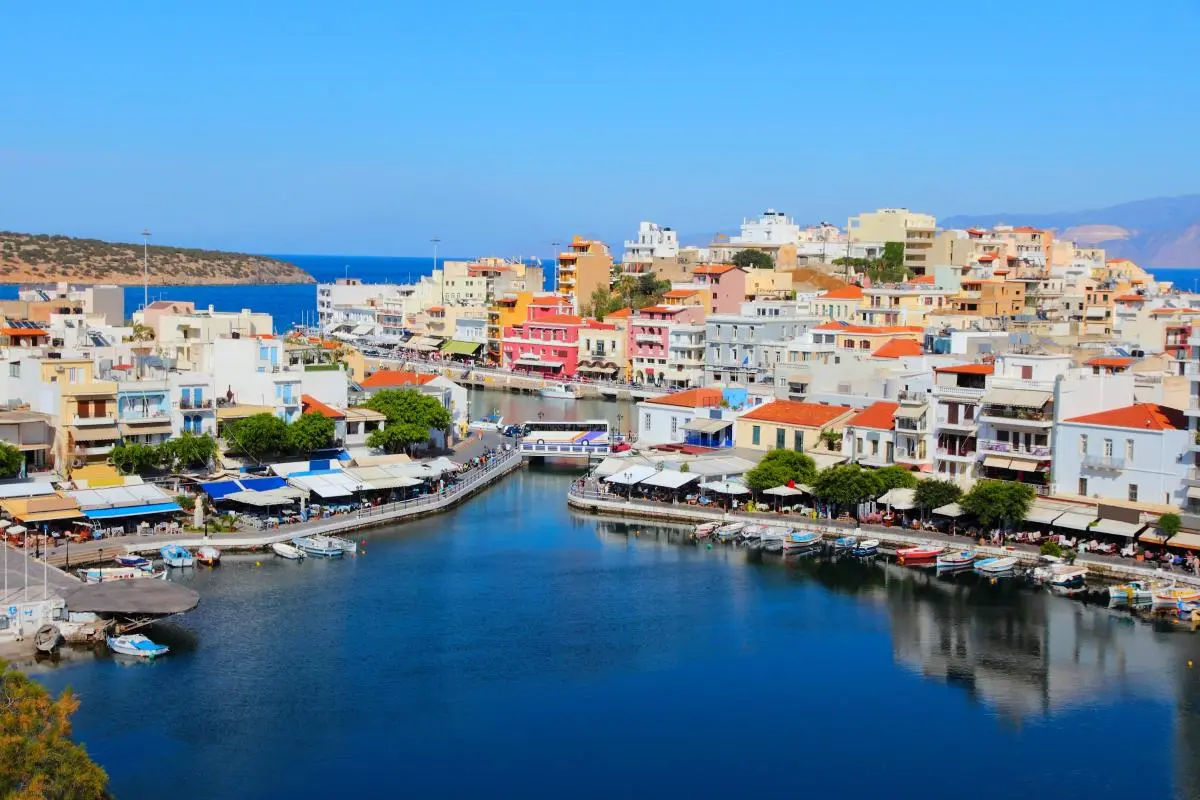
Annabelle Grossman, global travel editor at The Independent, traveled to Crete during the off-season to showcase the island without the crowds, all-inclusive resorts, and lively nightlife. The itinerary for the new episode of TravelSmart included the small beach towns of Agia Galini and Plakias, the Minoan settlement of Agia Triada, and a hike through the Agiofarago Gorge, according to The Independent.
Greece’s largest island is best known for its beaches, but it also boasts a rocky coastline, picturesque mountain villages, and historic ruins. It was this quieter side of Crete that the journalist explored during her trip.
When to Go to Avoid the Crowds
Local business owners recommend traveling between the rainy winter months and the summer tourist rush. Nikos Tsepetis, owner of the Ammos boutique hotel in Chania—which he has run for 30 years—named his favorite time to visit the island in an interview with Condé Nast Traveler.
“Right before the high season. April and early May are my favorite time of year because the weather is amazing,” said Tsepetis.
According to him, western Crete is greener than the rest of the island at this time, and snow often still lies on the peaks of Lefka Ori, visible from the sea while swimming. It’s also a great time to visit villages and monasteries, and Orthodox Easter often falls in the spring.
The hotelier considers the tranquility and the state of nature after winter to be the main advantages of the off-season.
“It’s less crowded here. The rain washes everything clean, the snow melts, so we’re greener than other parts of the island. Everything is fresh and new; you can feel the renewal, so spring is a very pleasant time,” emphasizes Tsepetis.
He adds that in the spring, you can go hiking, skiing, and swimming, although the sea is colder then than in winter due to the melting snow. In January and February, skiers from various countries flock to the Cretan mountains, particularly for the annual Pierra Creta ski mountaineering competition.
The Minoan Center of Power
Agia Triada, one of the stops on the route, is located a few kilometers from Festos on the western edge of the fertile Messara Plain, according to Ancient World Magazine. The Minoan city flourished from around 2000 B.C., and Italian archaeologists have been conducting systematic excavations here since the 1970s.
The settlement reached its peak during the Non-Palatial Period (around 1750–1460 BCE), when a palace-like “villa” was built here. Nearly 150 Linear A tablets, seals, and inscriptions indicate that it became an administrative center, replacing Festos. Later, the settlement was destroyed by fire, presumably following an earthquake, and a Mycenaean-style megaron was built on the ruins of the villa.