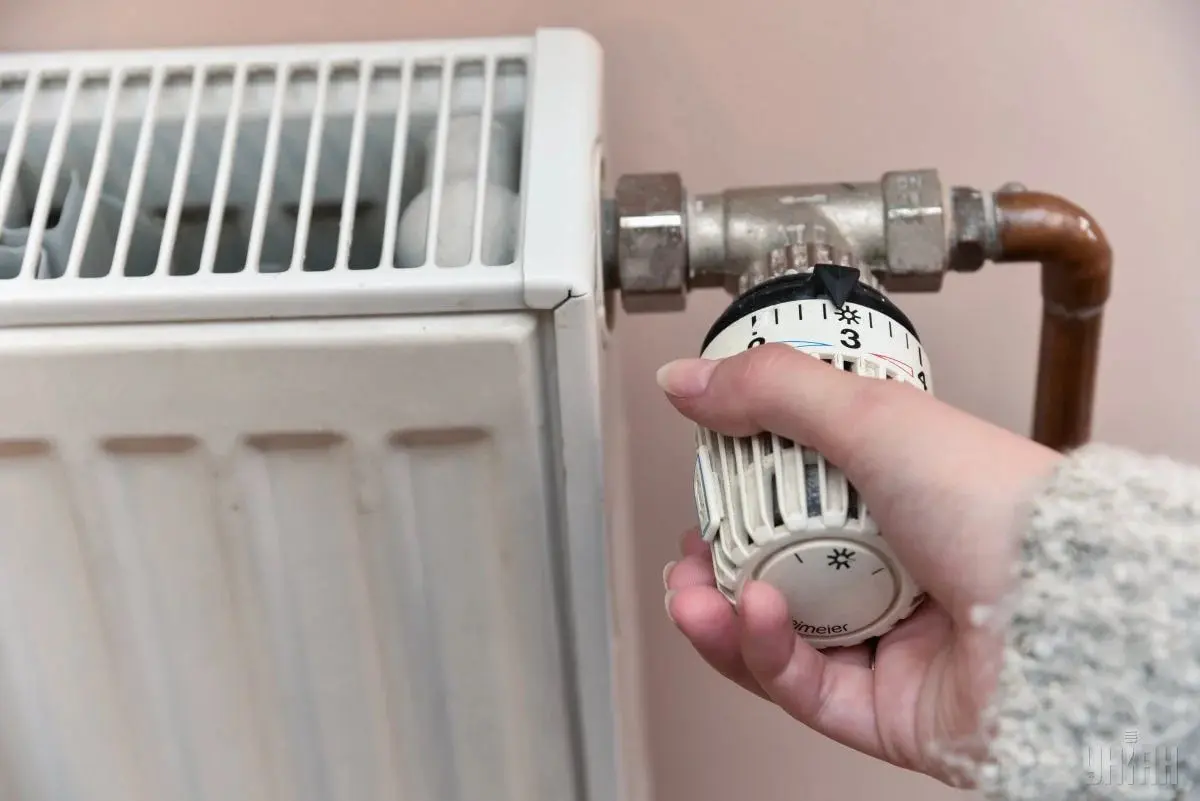
British Gas advises Britons who leave their homes in the winter not to lower the heating temperature below 5–7°C. According to the energy provider, this setting will protect homes from damage and won’t significantly increase bills, The Independent reports.
The company urges people to prepare their homes for winter: check the boiler pressure (usually 1–1.5 bar), bleed the radiators, insulate pipes, seal windows and doors, and clean the gutters. Zone heating can help save money—that is, by not heating rooms that are rarely used. When residents are at home, the NHS recommends keeping the house at least 18°C.
The advice came as the first frosts set in. According to the Met Office, Thursday night was the coldest of this fall for most of the UK, with temperatures dropping to -6.5°C. Forecasters do not rule out a further cold snap in late November if the polar vortex weakens and Arctic air moves south.
The rest of the month, according to the Met Office forecast, will be changeable: cyclones bringing rain will move in from the Atlantic, with the heaviest precipitation expected in the south. In December, high pressure over the northern part of the country is likely to increase.
“Given signs of a blocking pattern forming, there is an increasing likelihood of generally colder weather with associated winter hazards, such as snow and freezing rain, most likely further north,” the Met Office forecast states.
How Much Heat Does an Empty House Need?
Experts disagree on the minimum temperature. Insurer Aviva recommends maintaining at least 13°C, while Allianz UK suggests 10°C. Professor David Cole of the University of Bath believes that 5°C is usually sufficient. According to British Gas, repairing just a damaged pipe costs at least 150 pounds, and damage to floors, walls, and furniture can multiply those costs, Sky News reports.
Phil Steel, an expert at Octopus Energy, is convinced that the risk of pipes freezing in Britain is overestimated: brief periods of freezing cause almost no harm to a typical home, as the sun and higher daytime temperatures compensate for them.
“The real risk arises when temperatures remain well below freezing for 24 hours or longer in poorly insulated spaces or areas with exposed pipes, such as garden sheds or outdoor faucets,” Steel emphasizes.
He cites dampness and mold as a much bigger problem in unheated homes, which occur when the air remains cold and damp for long periods. Therefore, during severe cold spells, it’s advisable to turn on the heat periodically.
Bills Are Approaching a Crisis Peak
The heating season has coincided with rising energy prices: due to the war with Iran, household bills will increase by an average of 276 pounds per year starting in January. According to forecasts, in January 2027, the price per unit of gas within the price cap will rise by 22%, and the price of electricity by 15%. Gas prices for households will approach the peak levels seen during the 2022–2023 energy crisis. The wholesale price of gas reached 7 pence per kWh in mid-September, the highest level since December 2022, according to a review by the House of Commons Library.